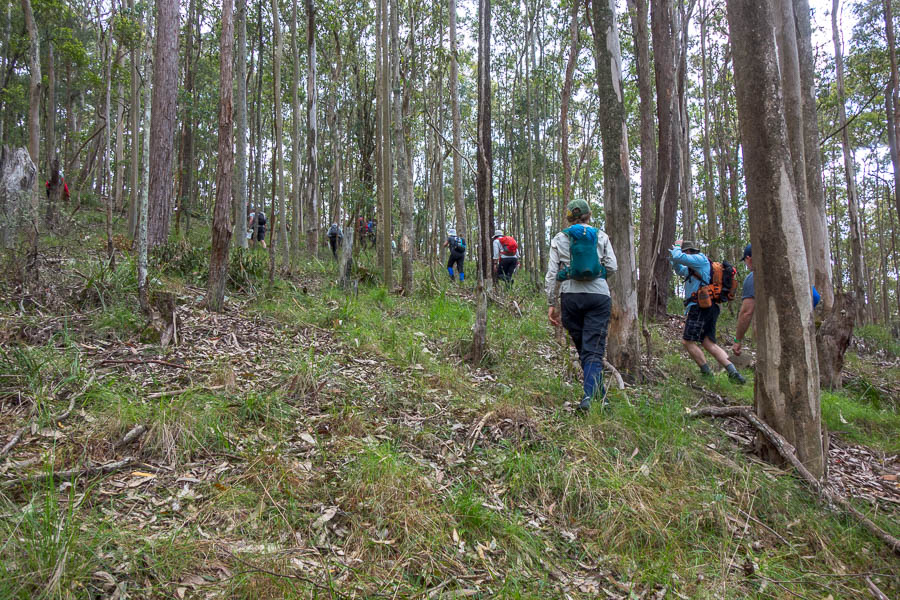
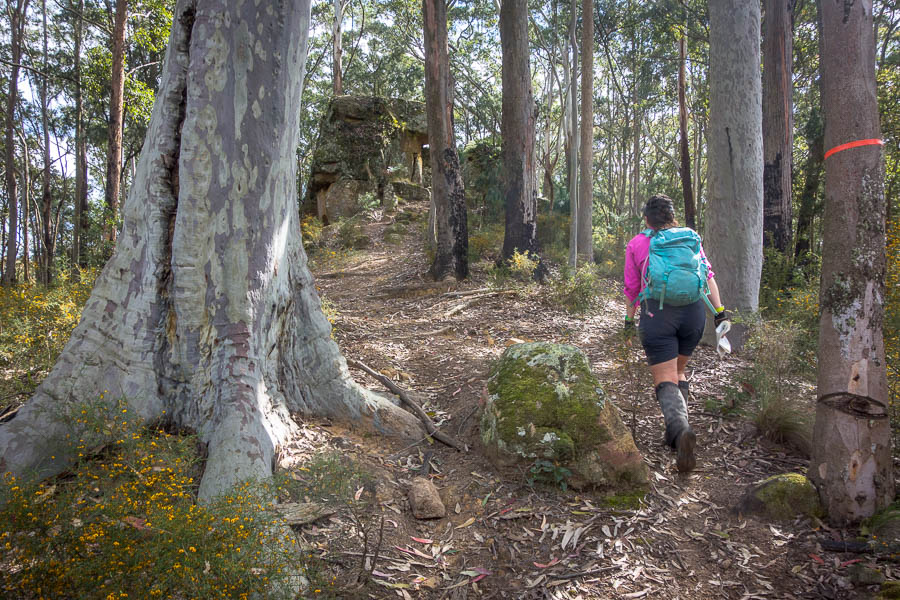
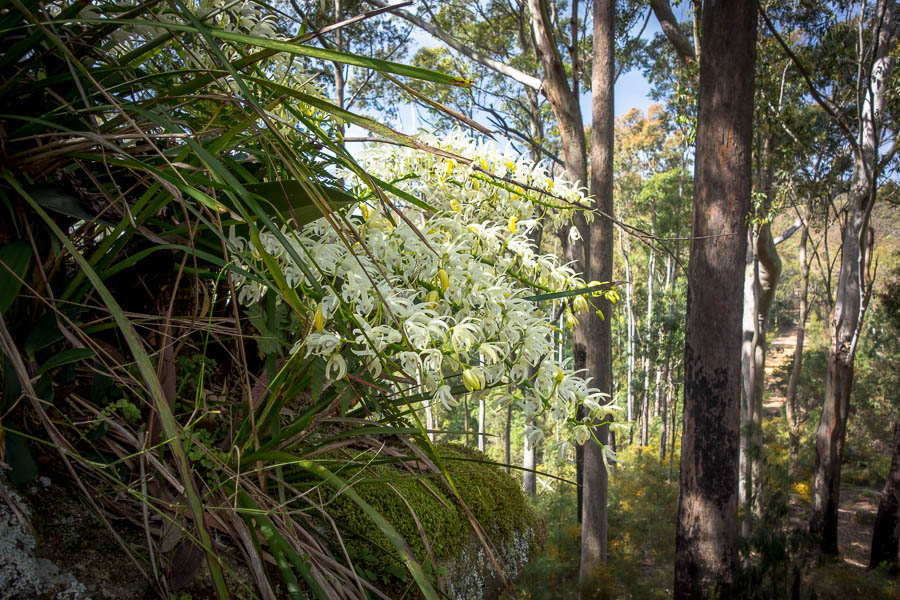
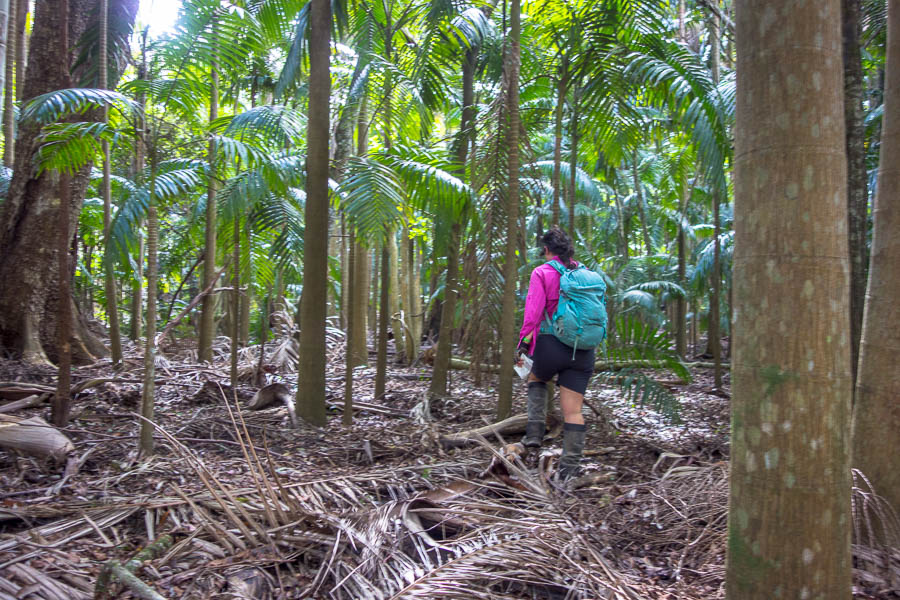
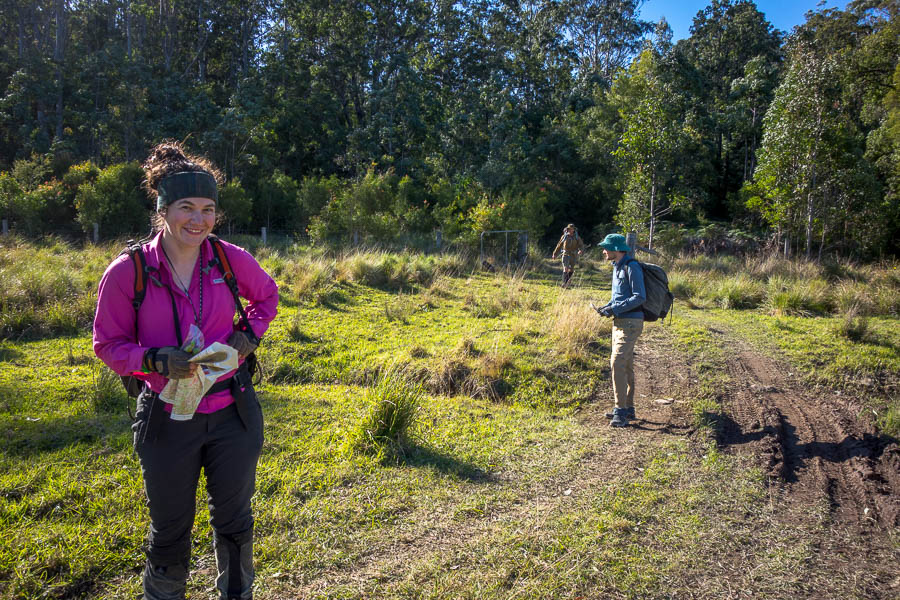
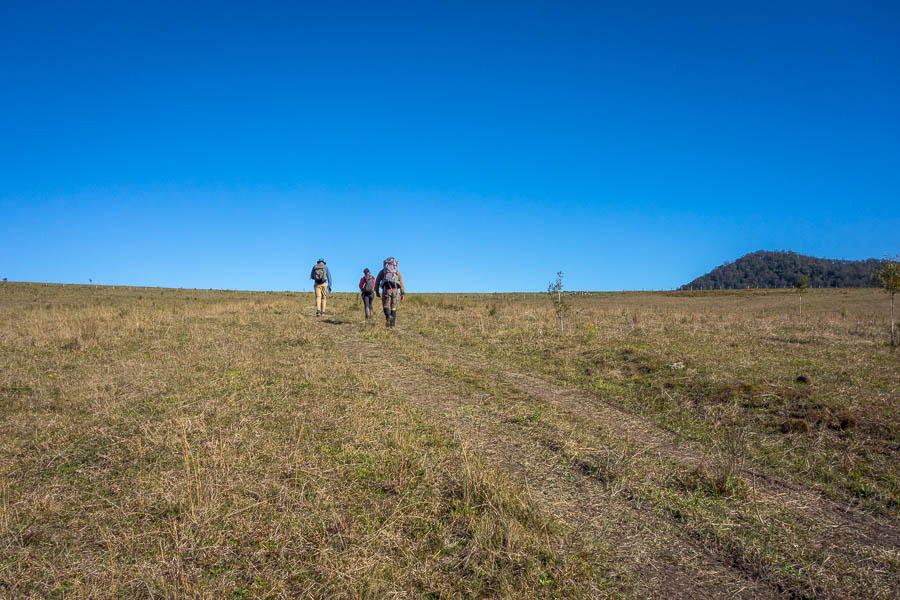
Blue Mountains canyoning (14 Jan 2026)

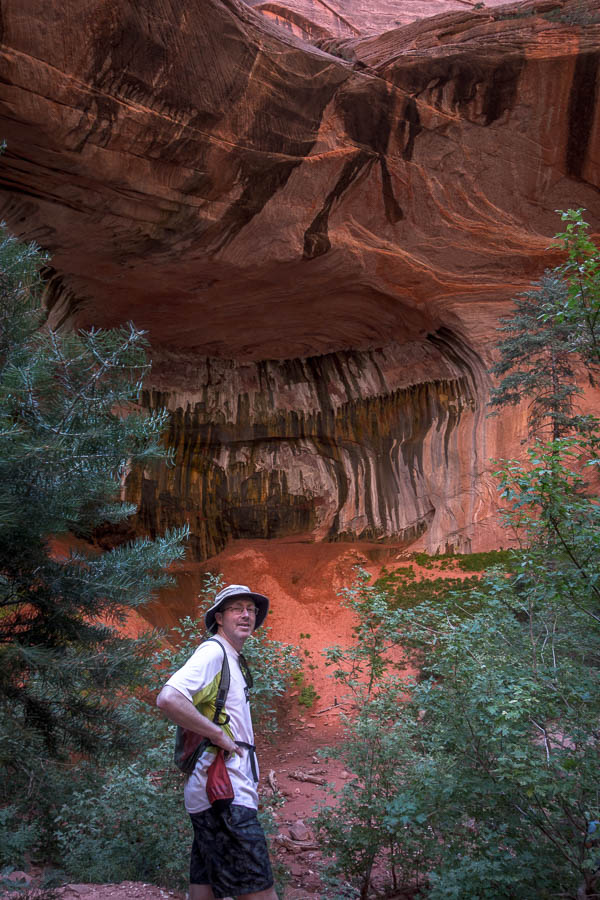
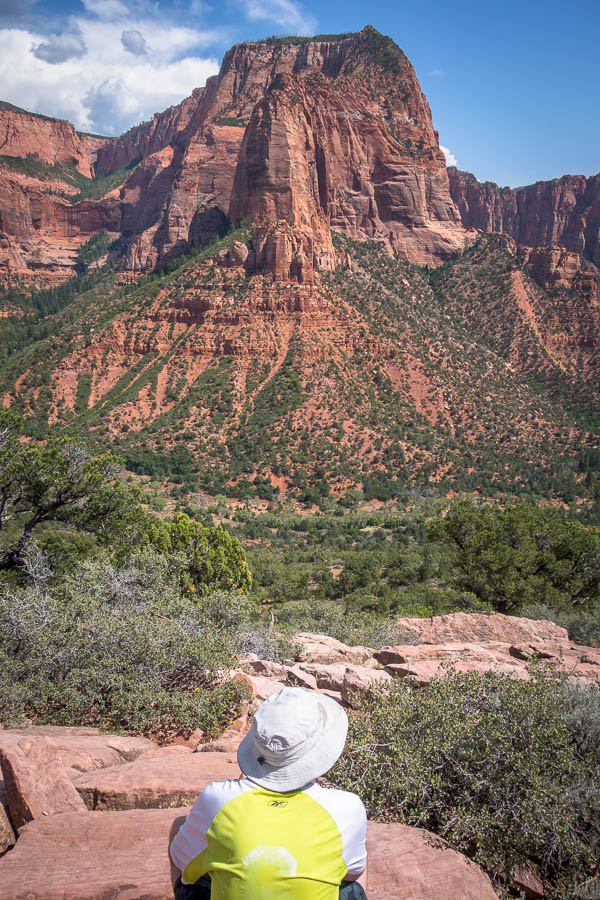
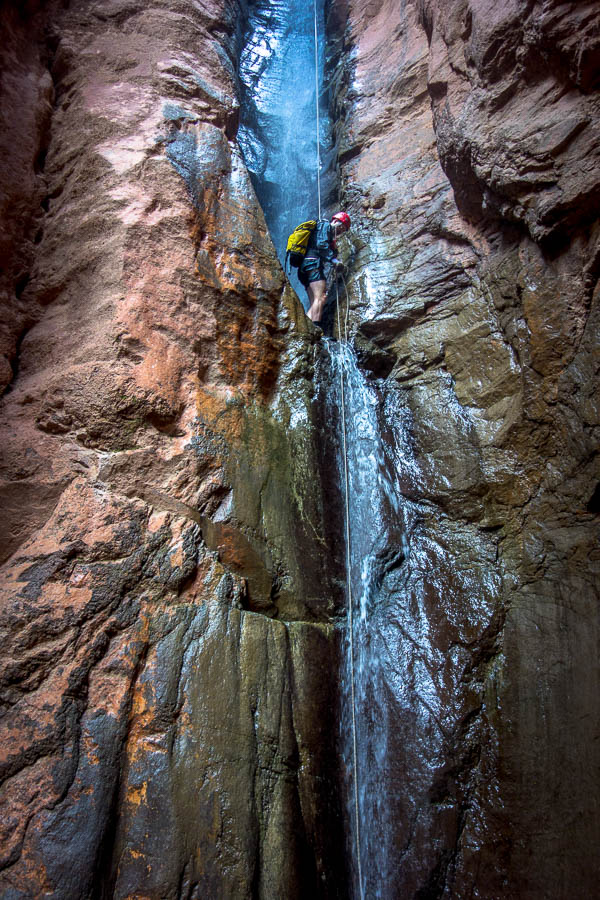
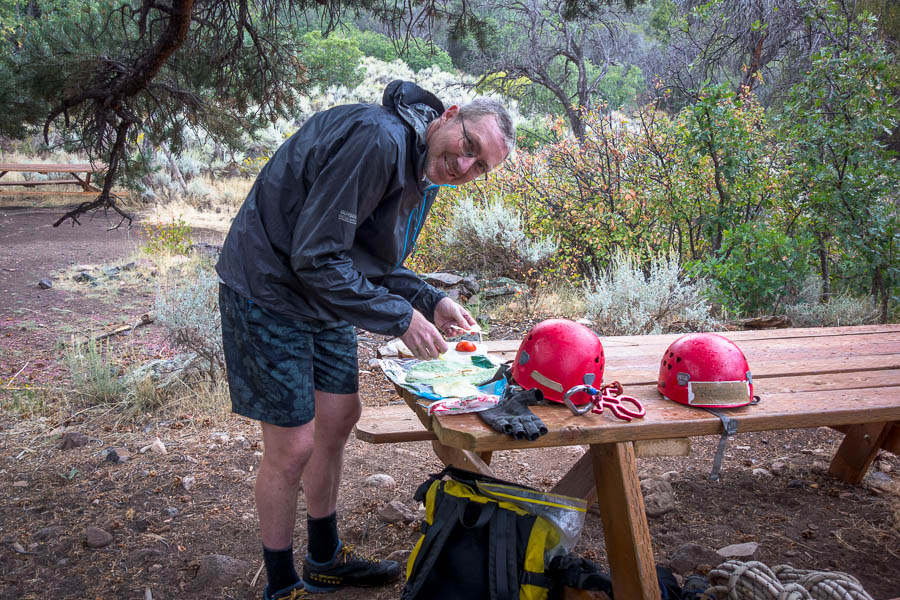
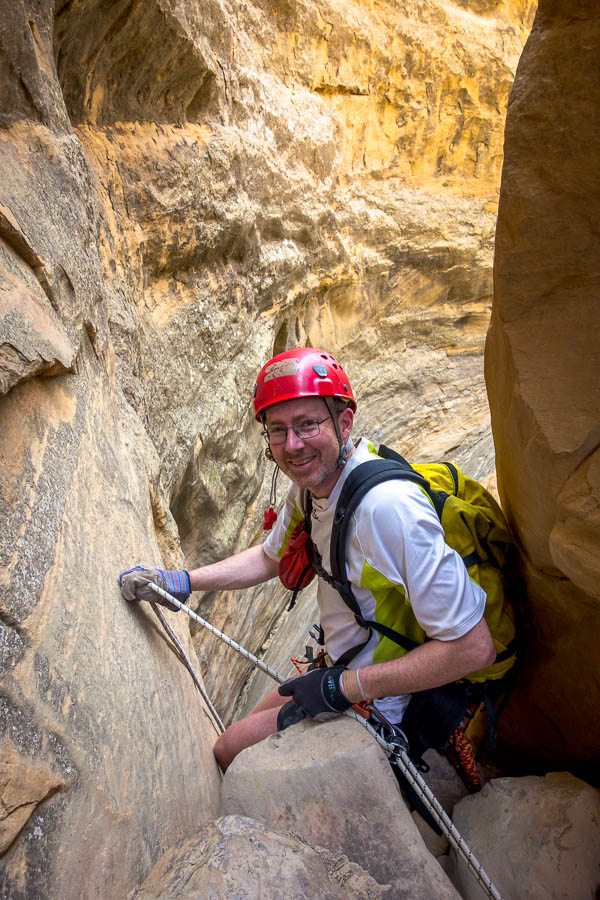
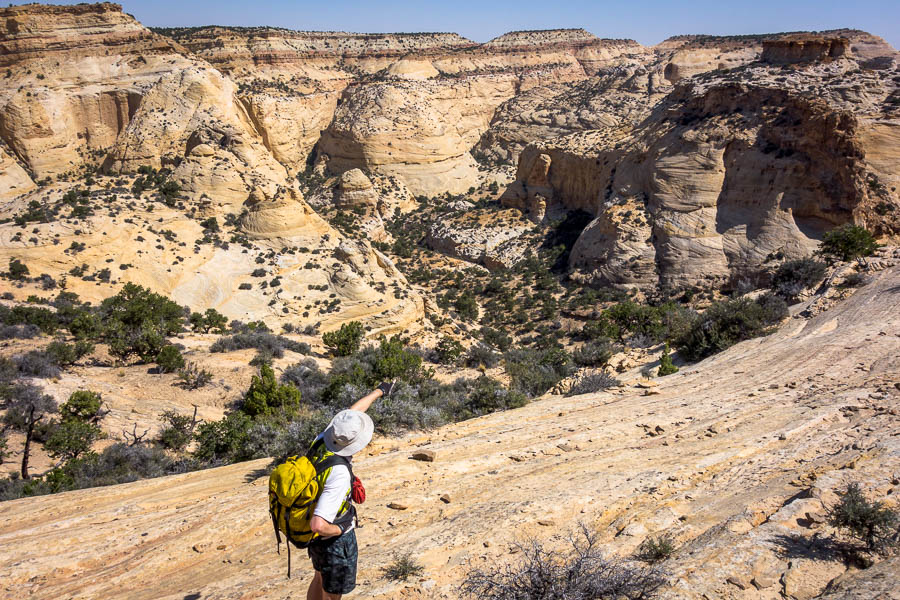
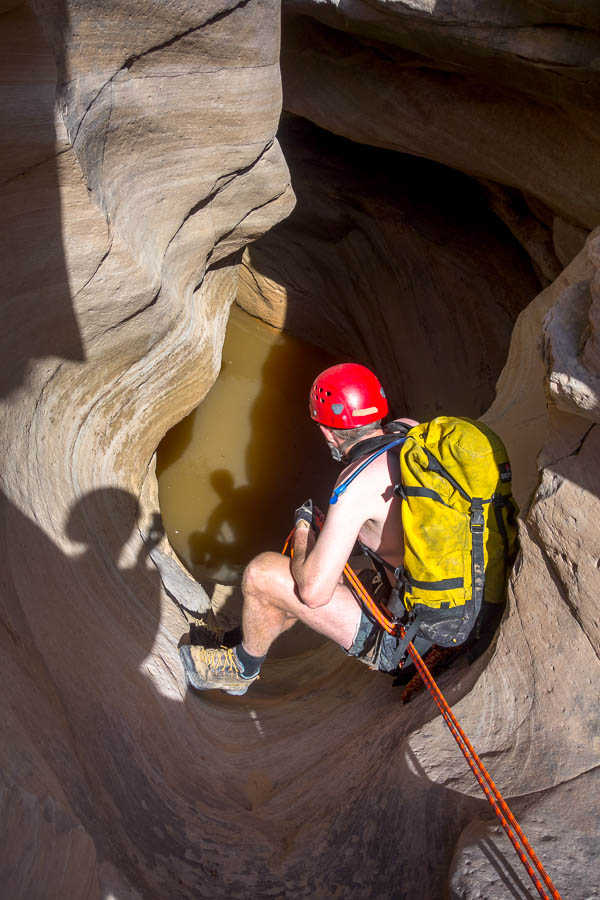
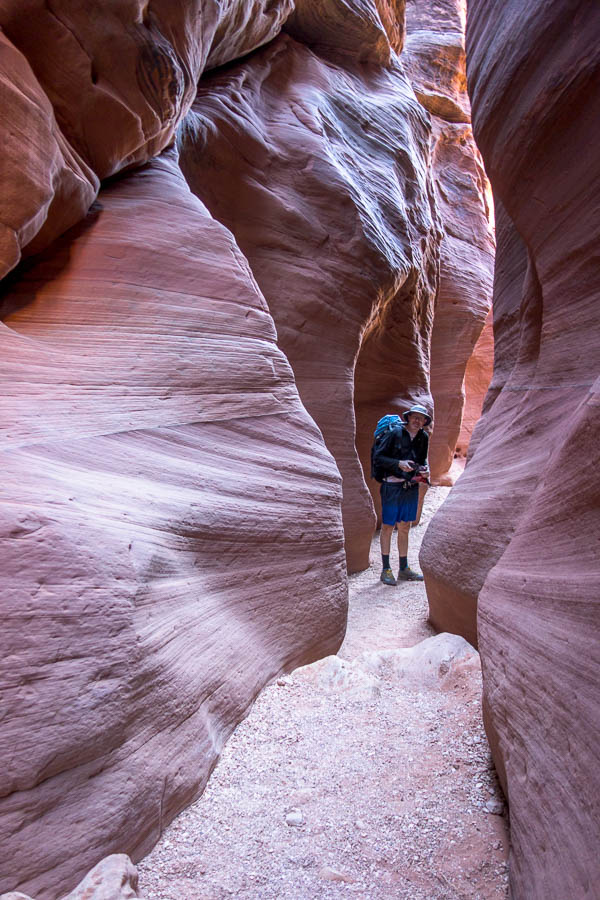
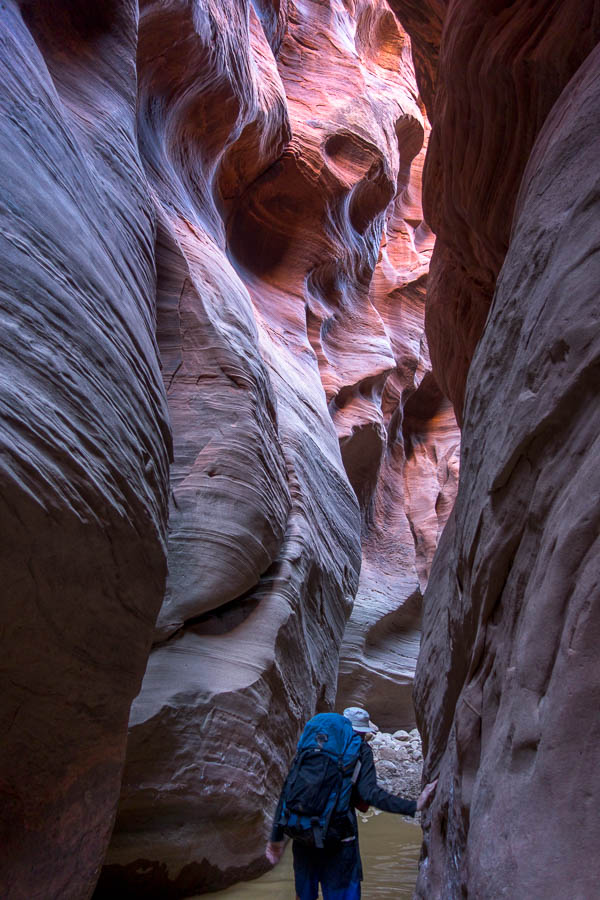
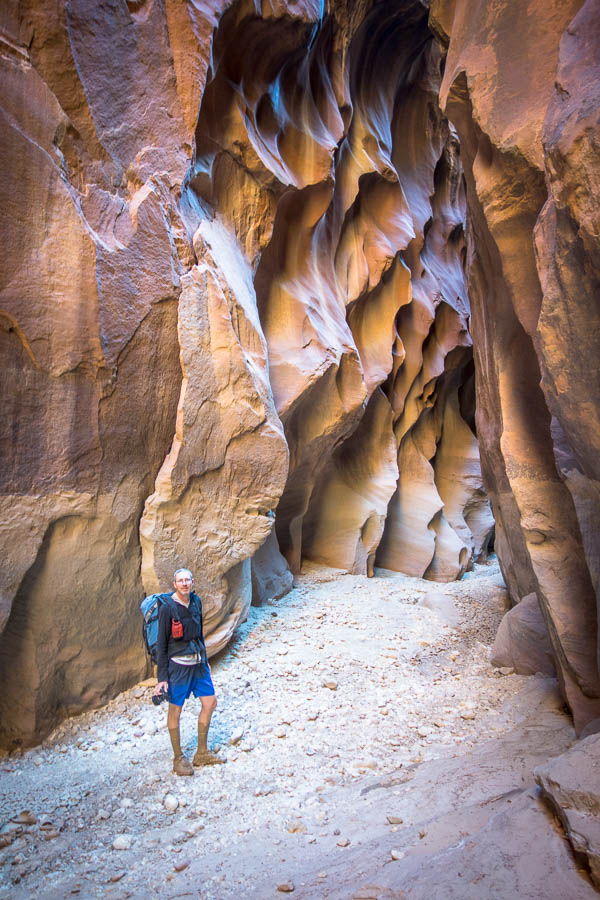
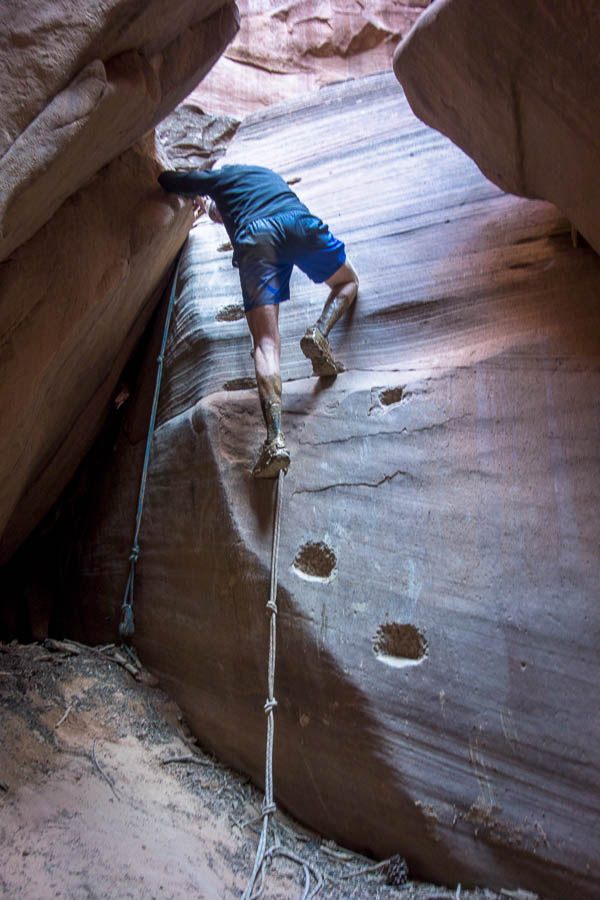
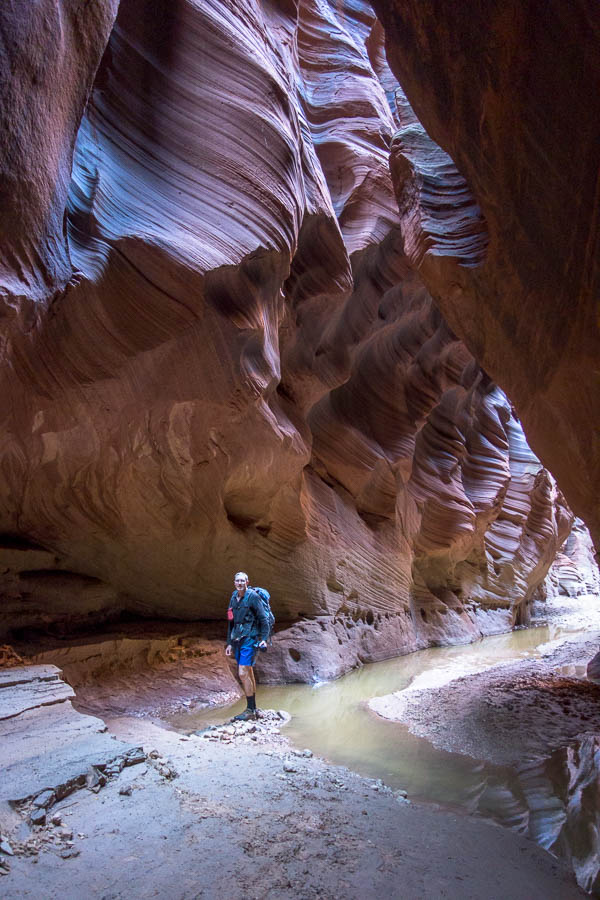
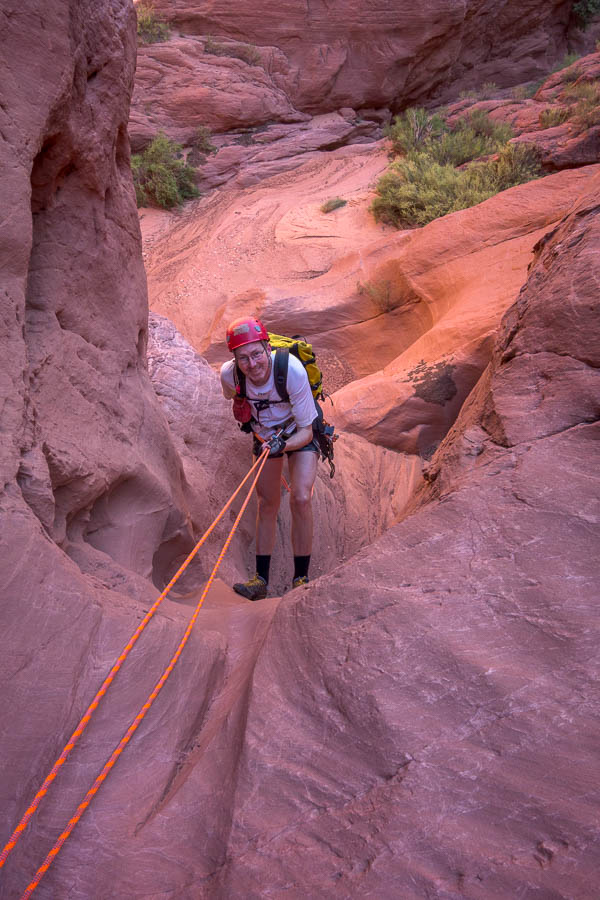
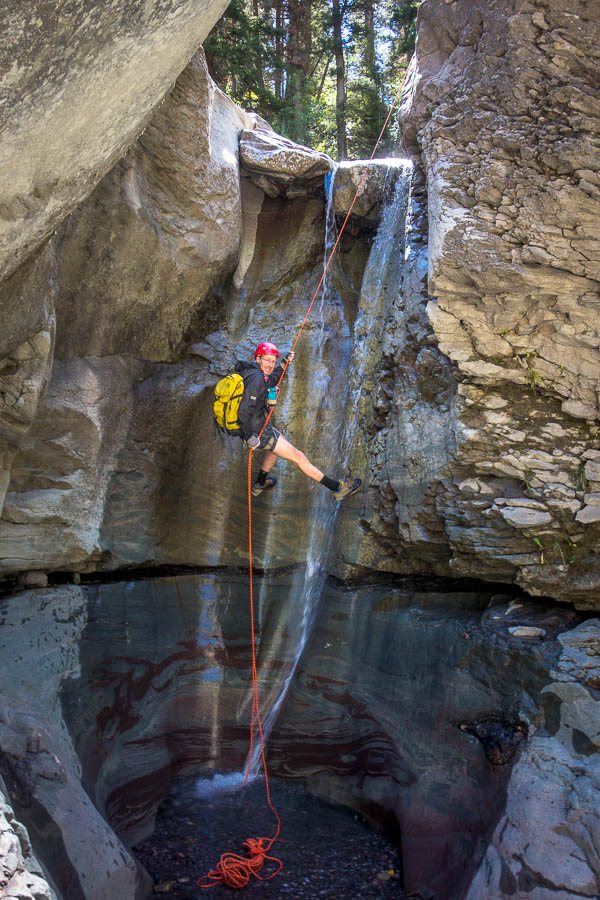
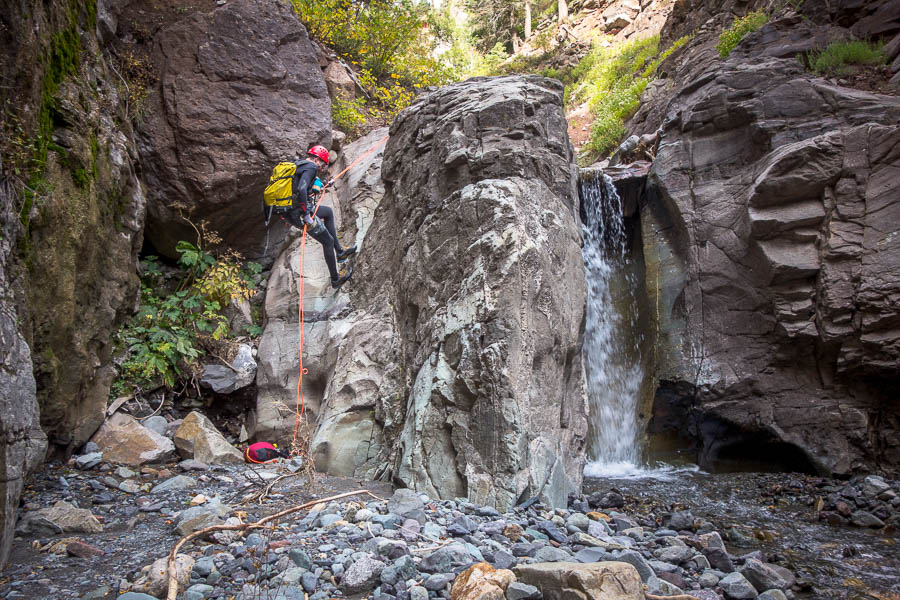
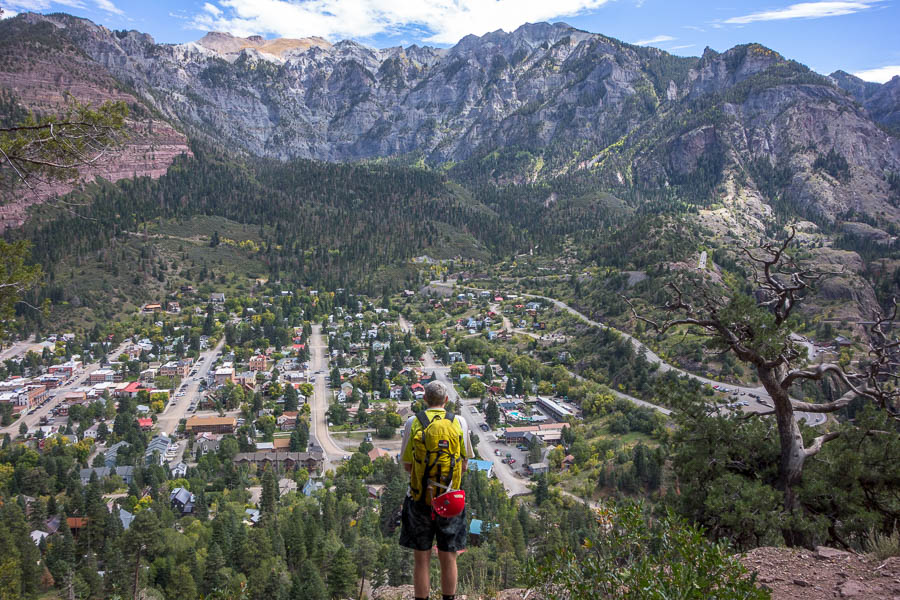
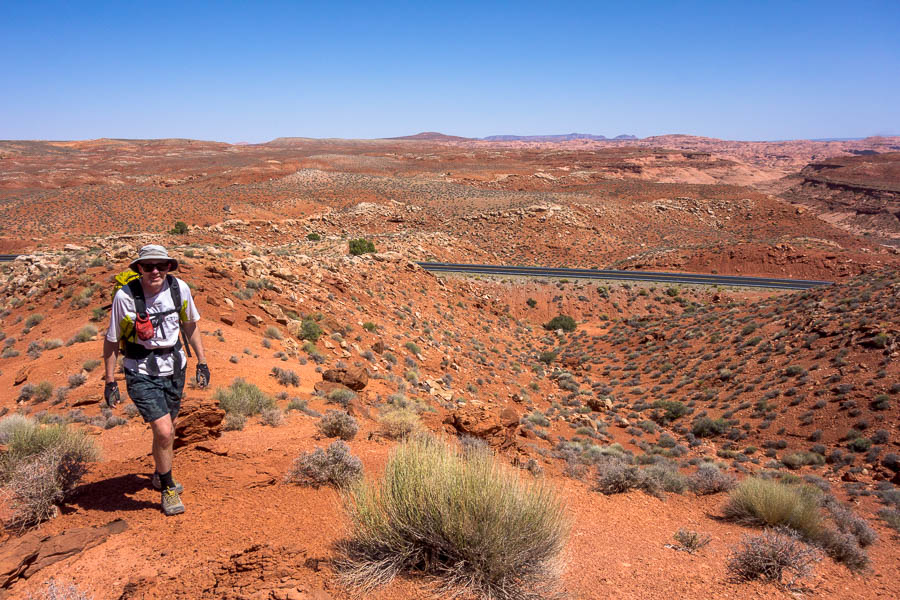
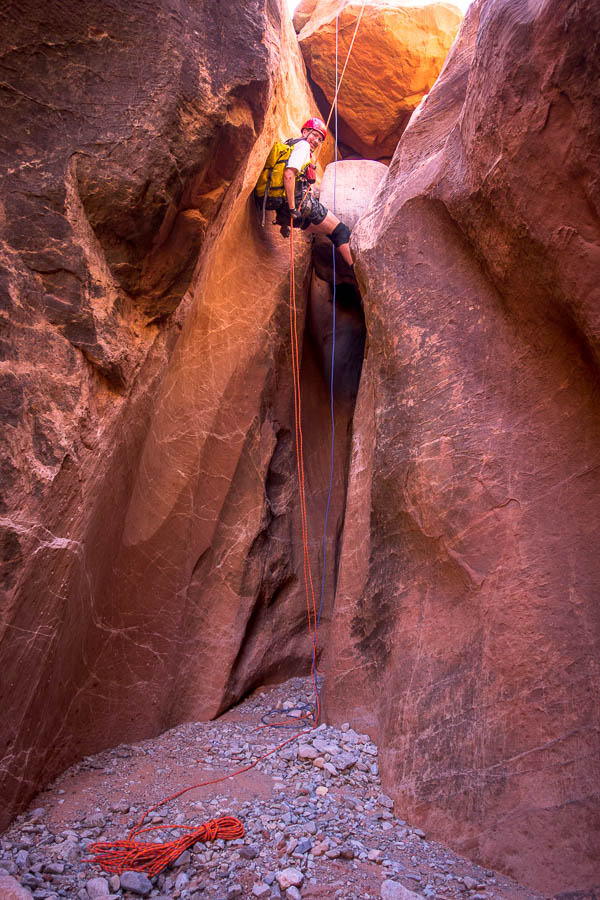
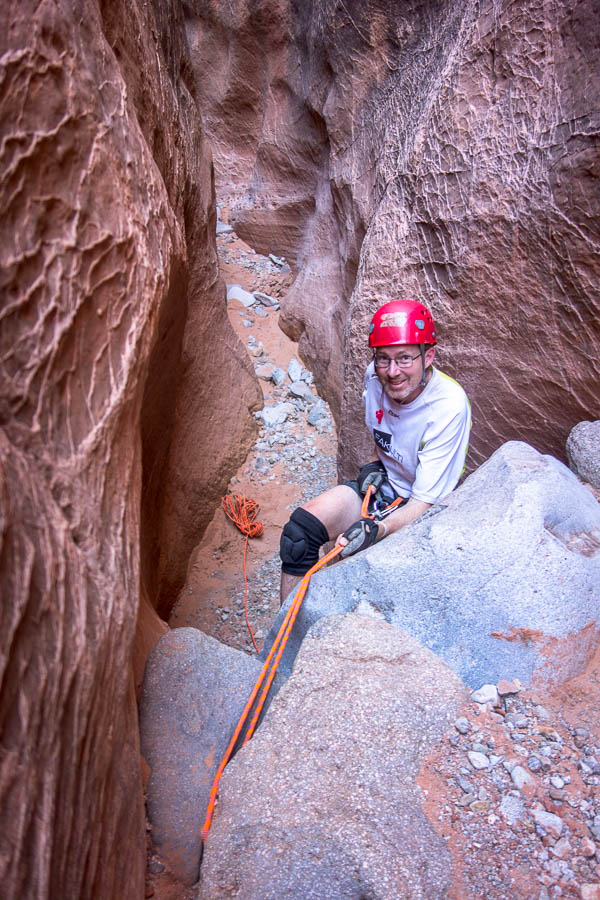
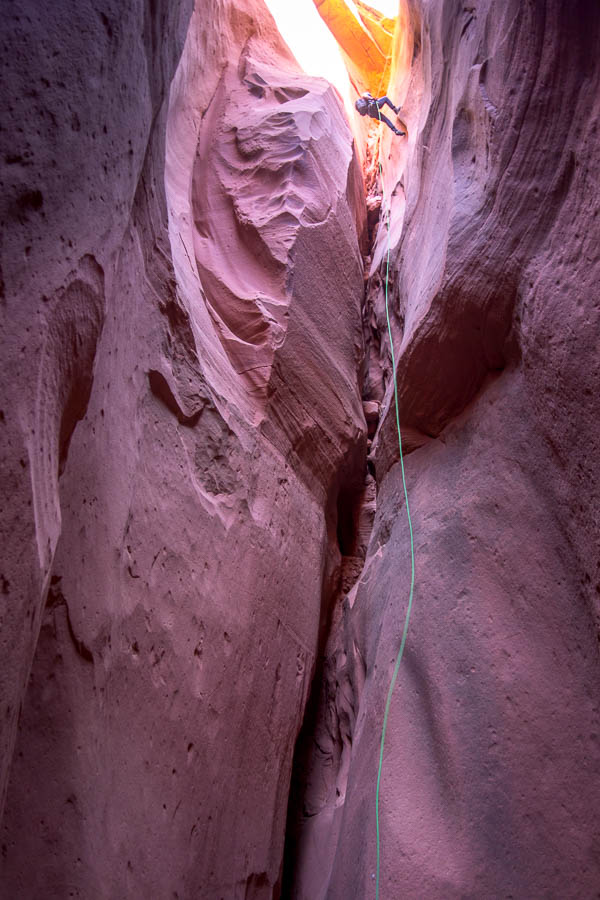
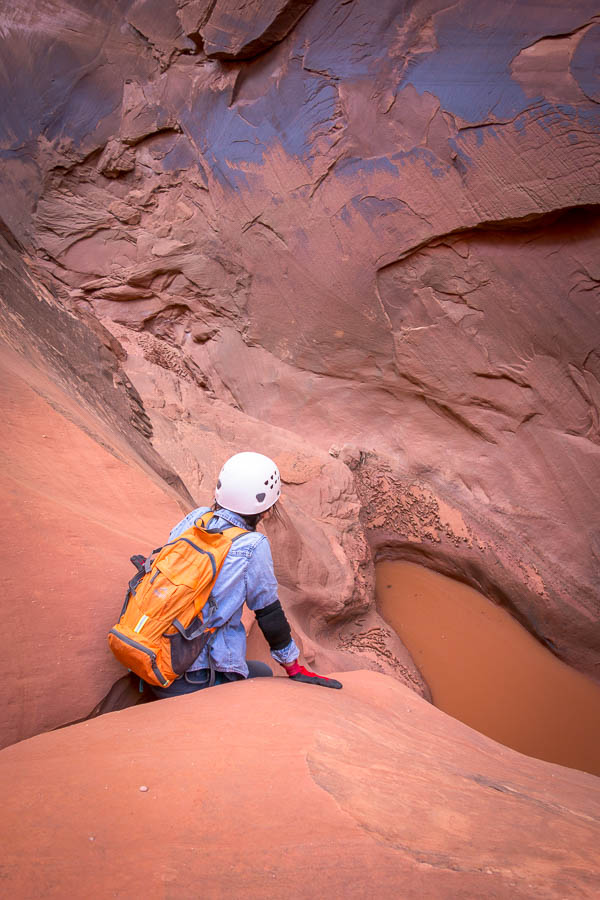
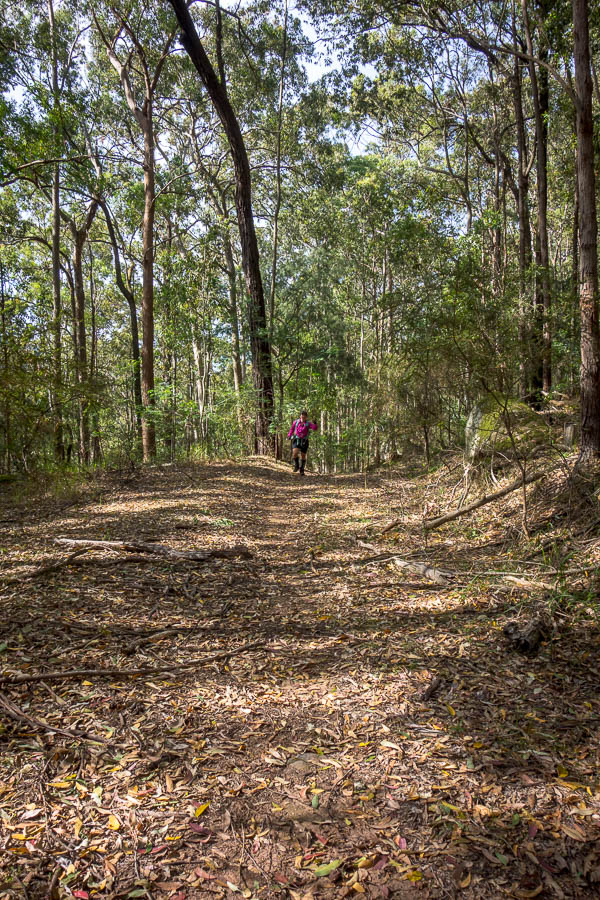
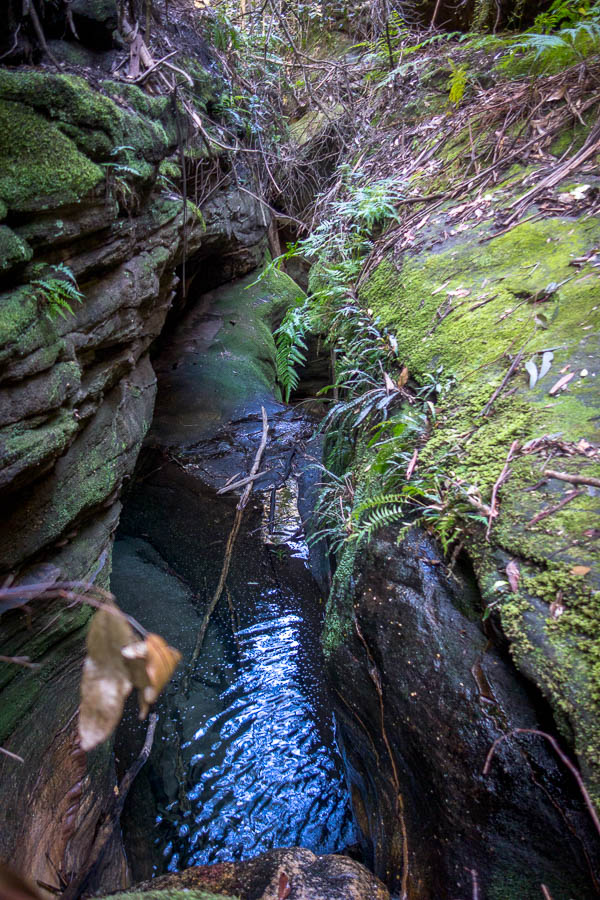
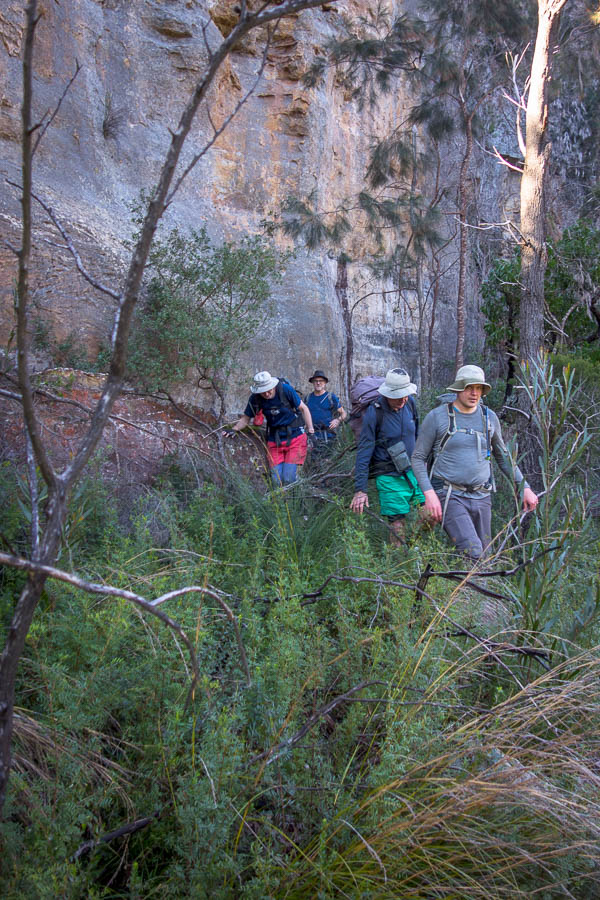
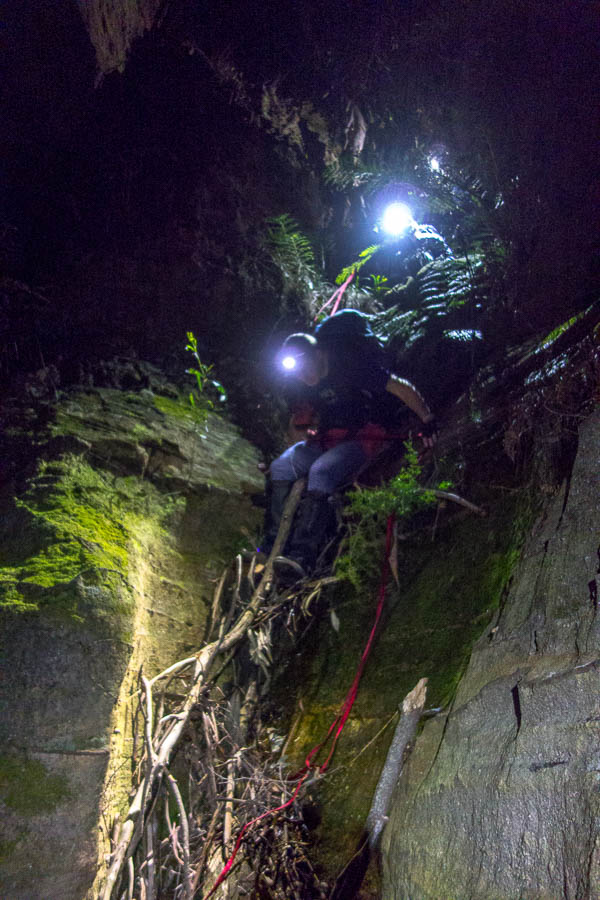
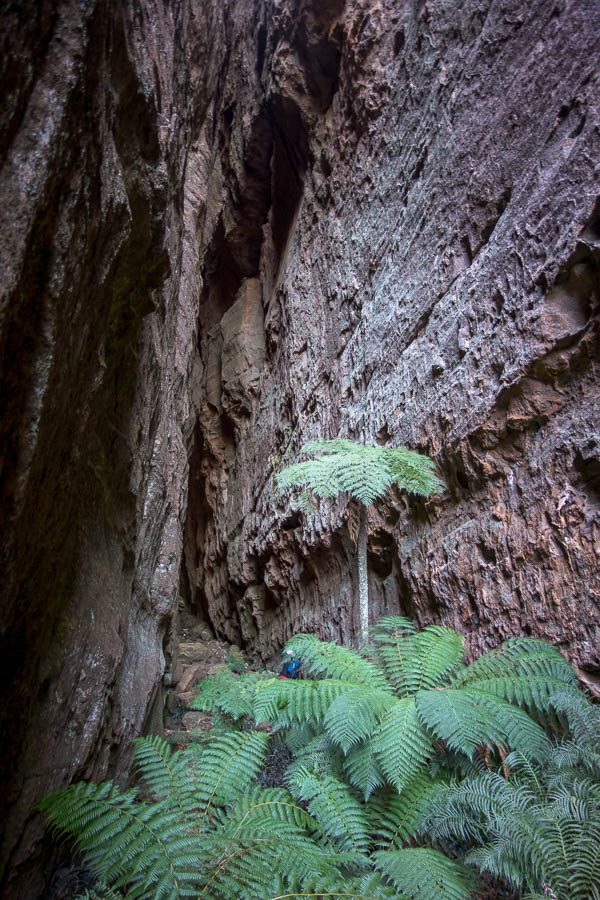
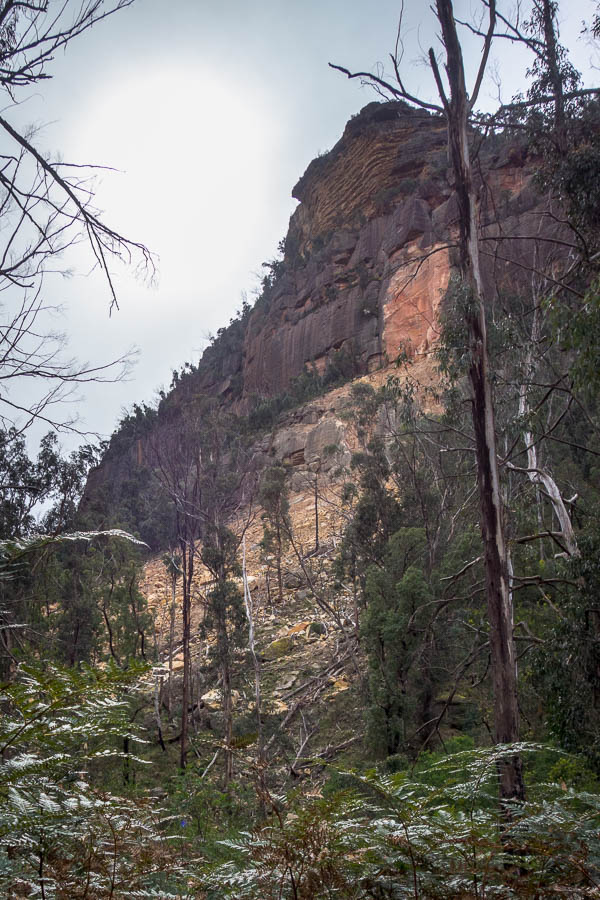
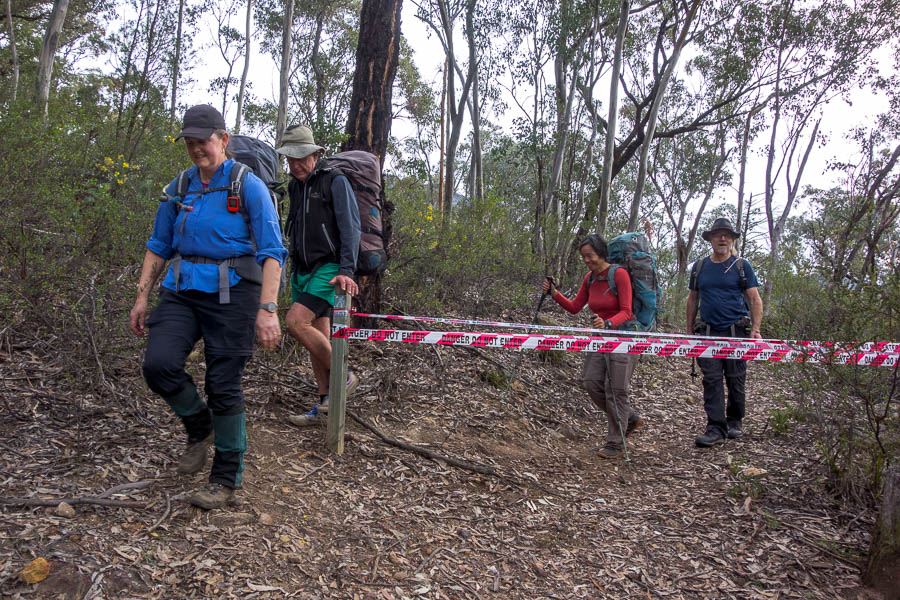
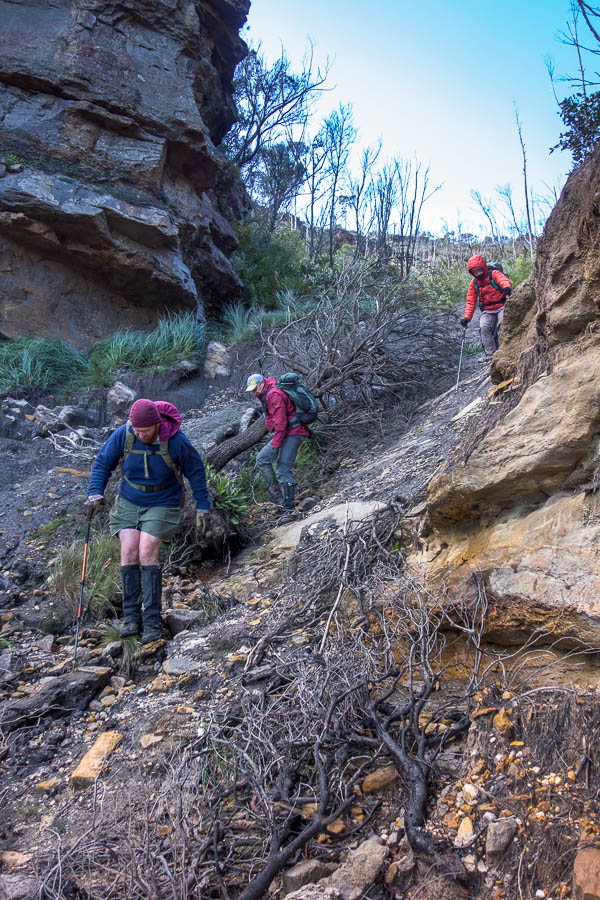
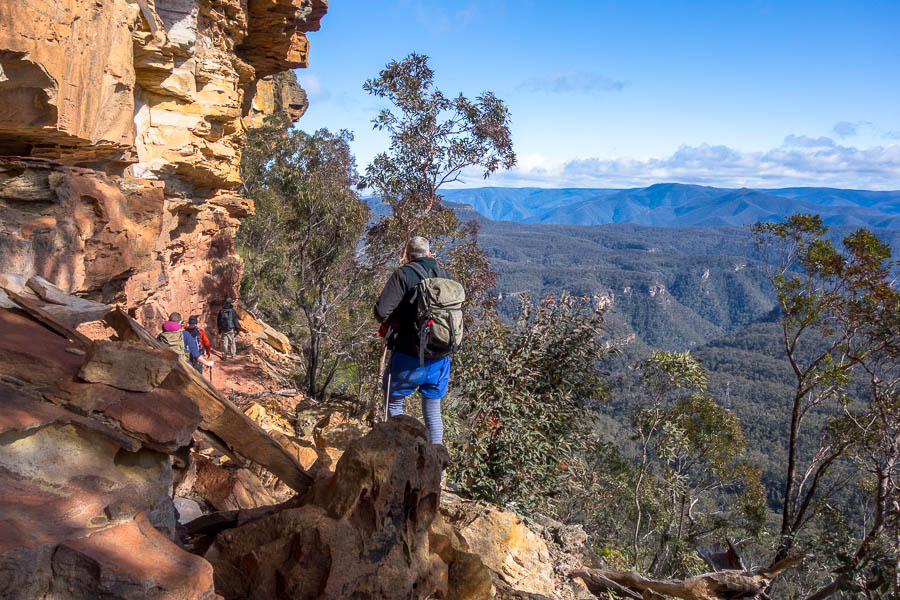
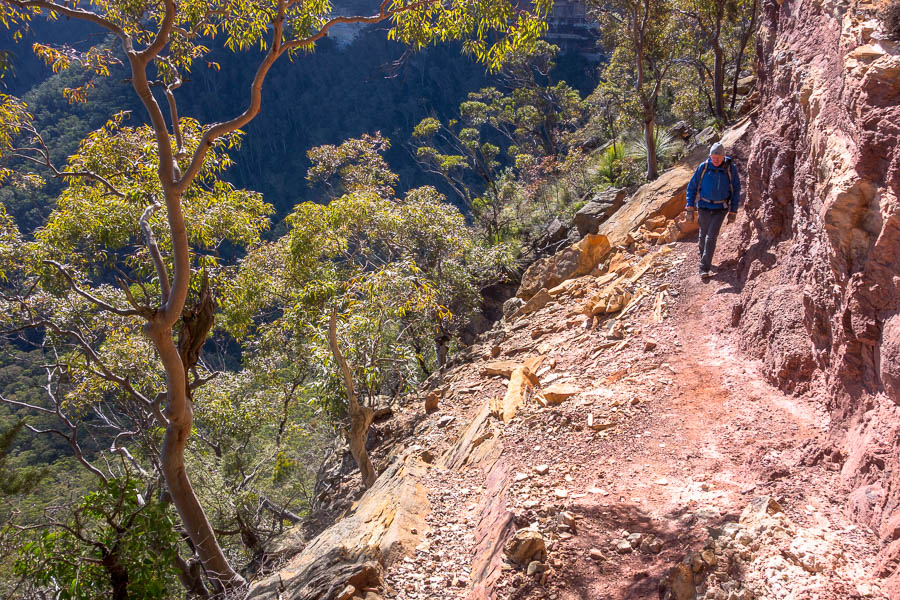
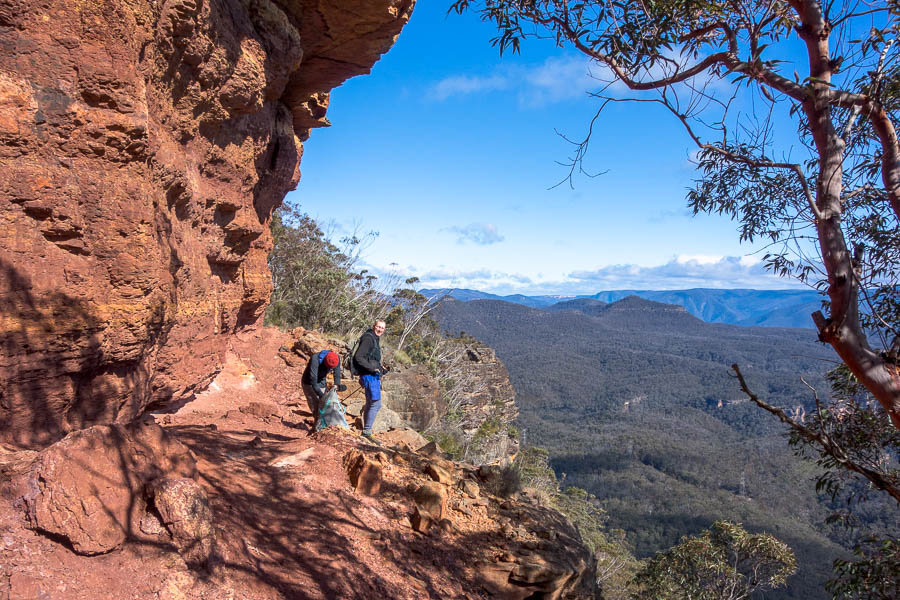
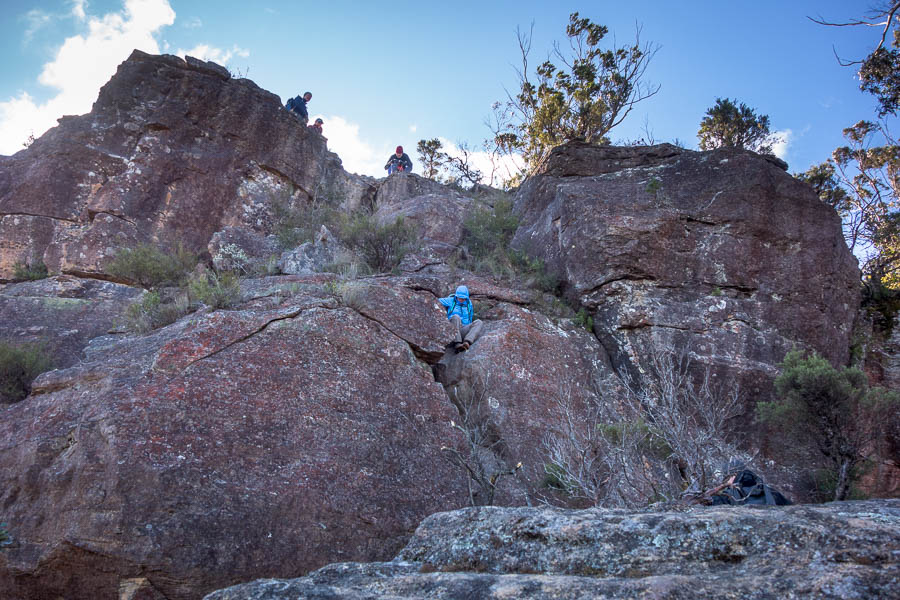
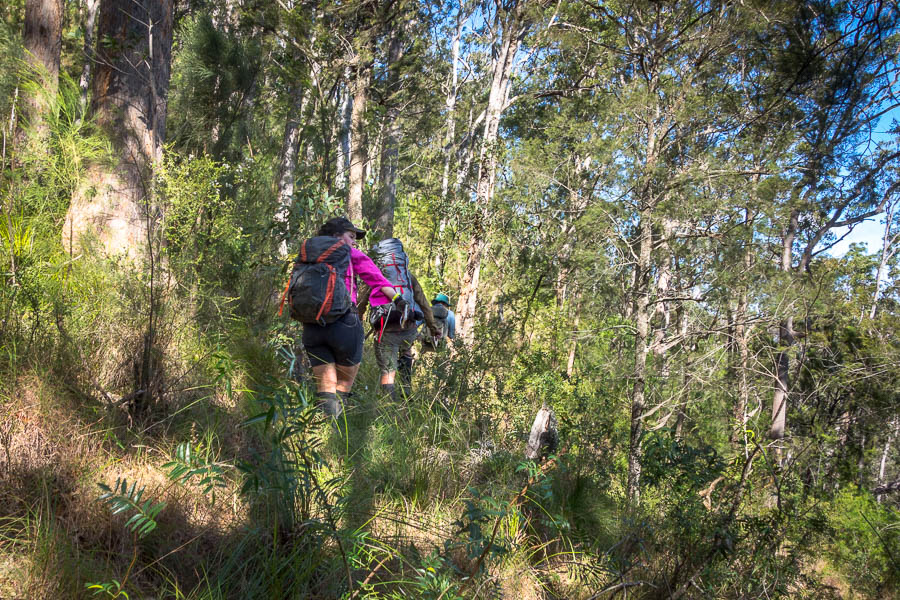
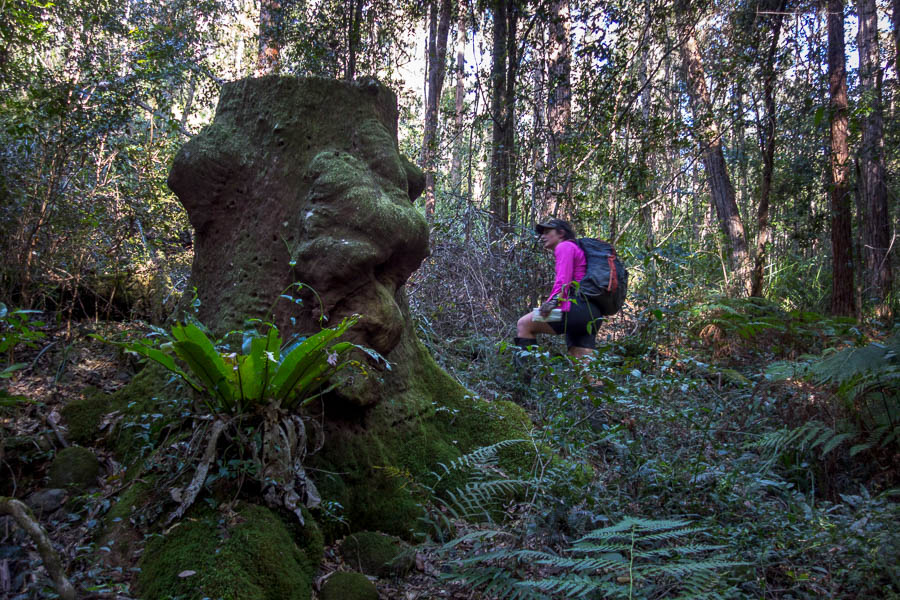
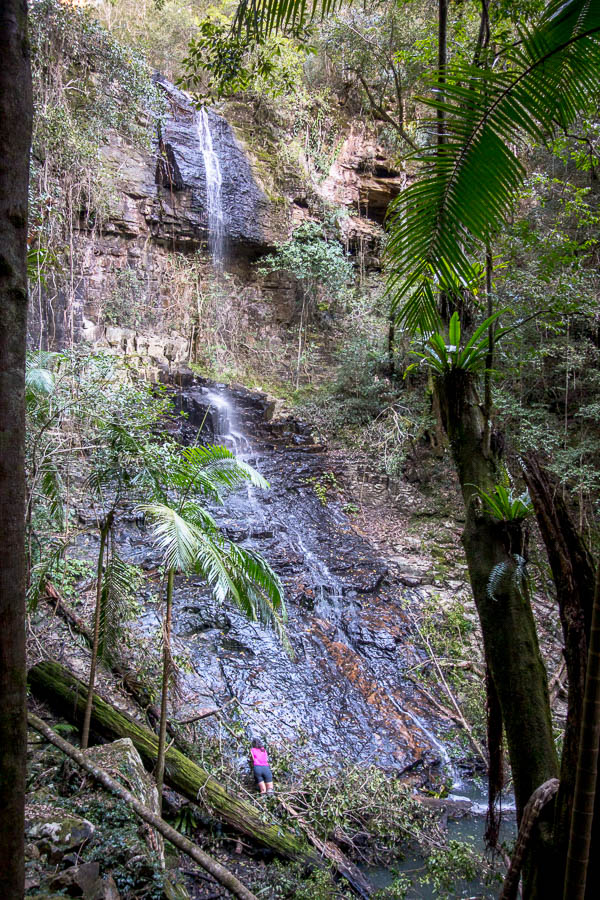
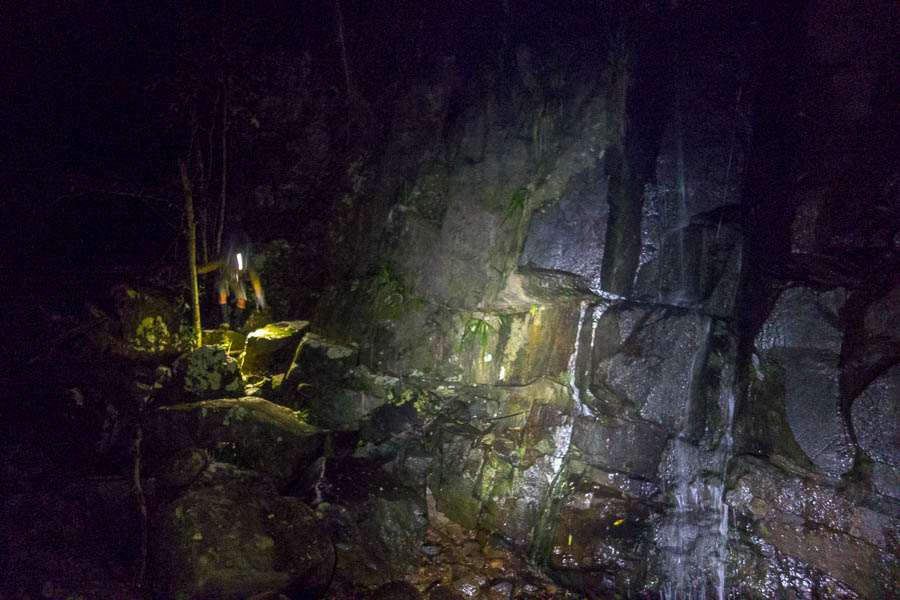
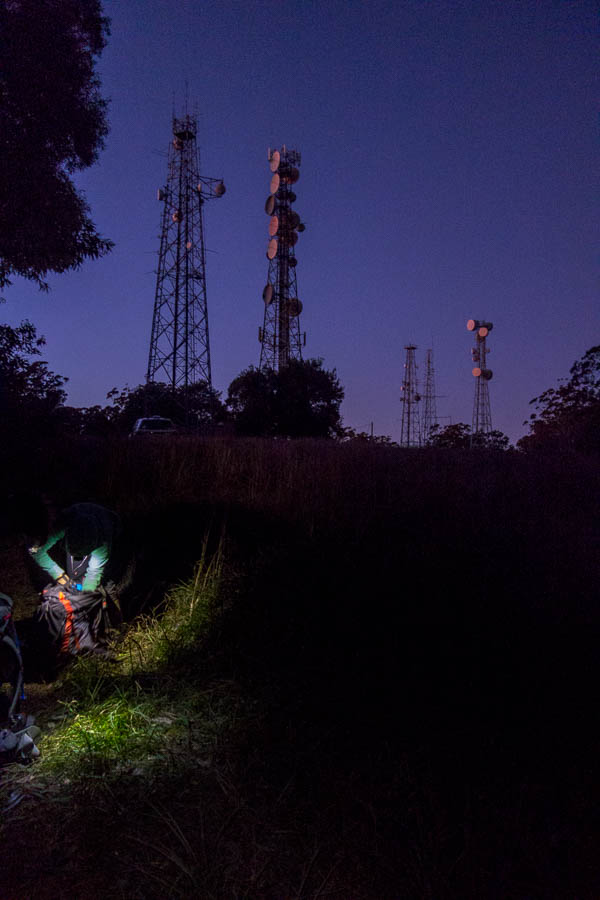
After a bit of not entirely successful exploring we decide to head to a known canyon that only Tom has done before. It’s amazing what a couple of hours of bushbashing can do for making you appreciate a ‘real’ canyon!

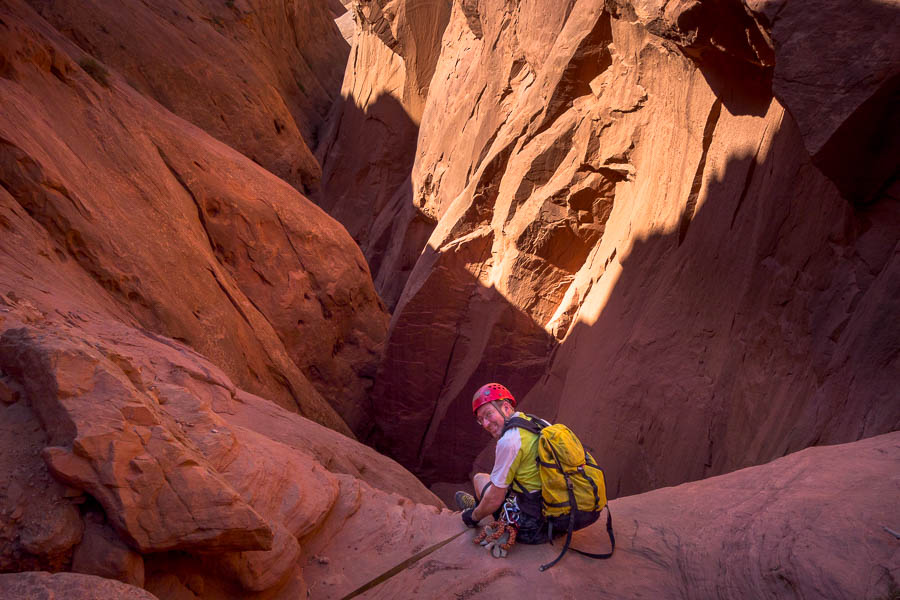
Tom in his natural environment

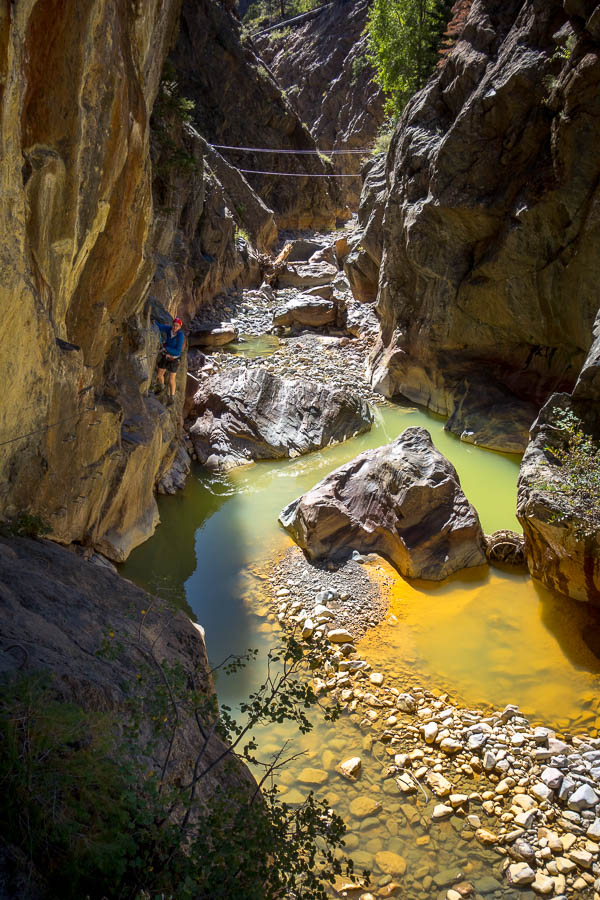
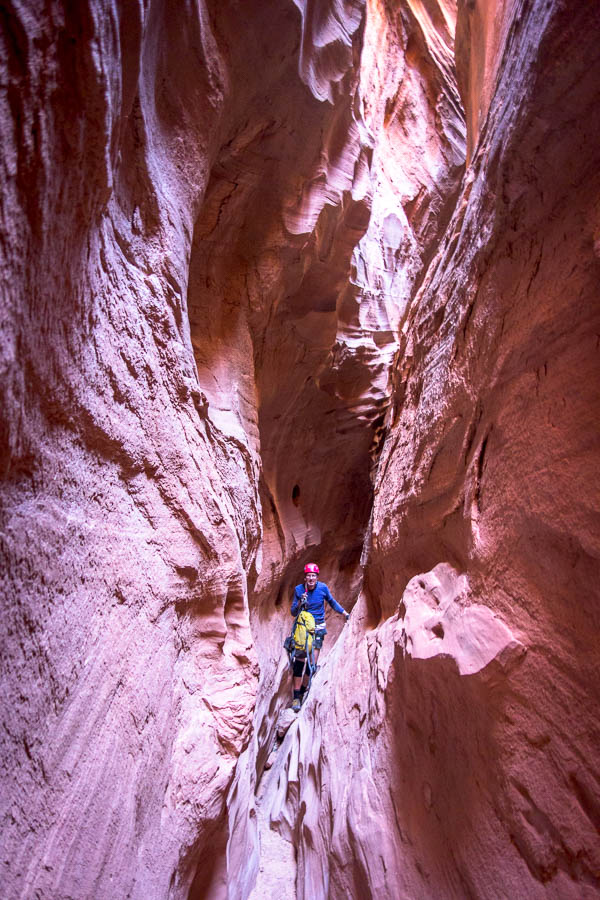
Looking downstream

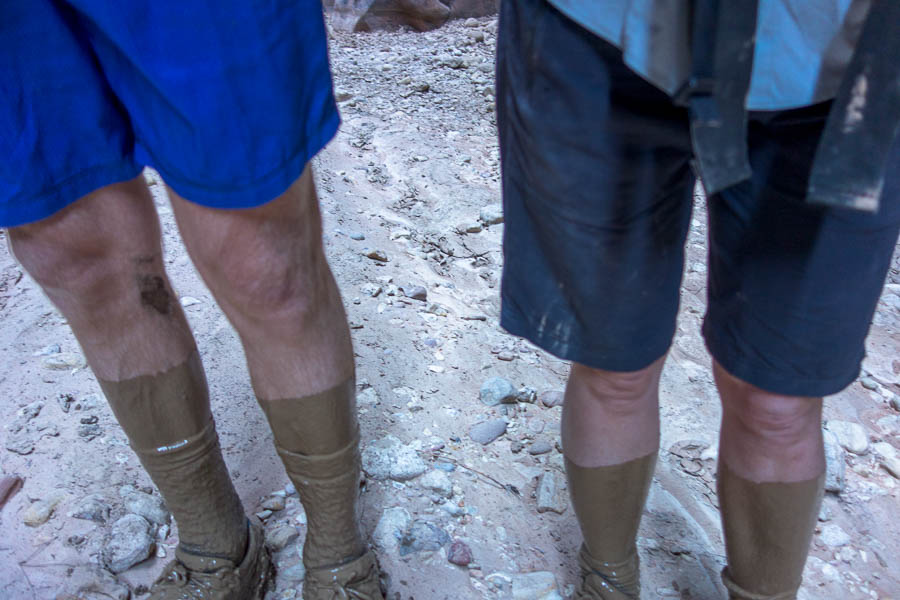
How many combined years of canyon experience does it take to make this mess? 🙂

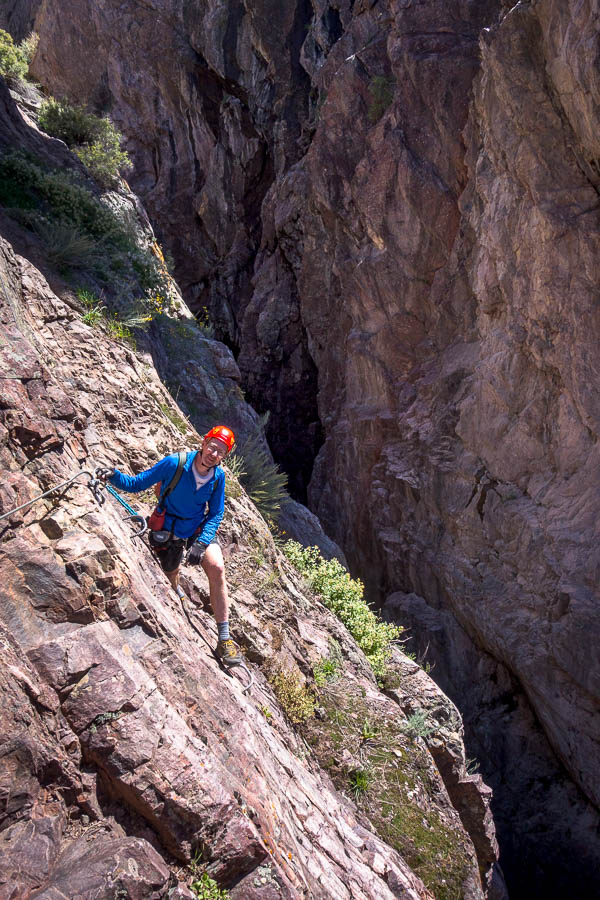
Tom above the pool

Easy to avoid for tall people 🙁

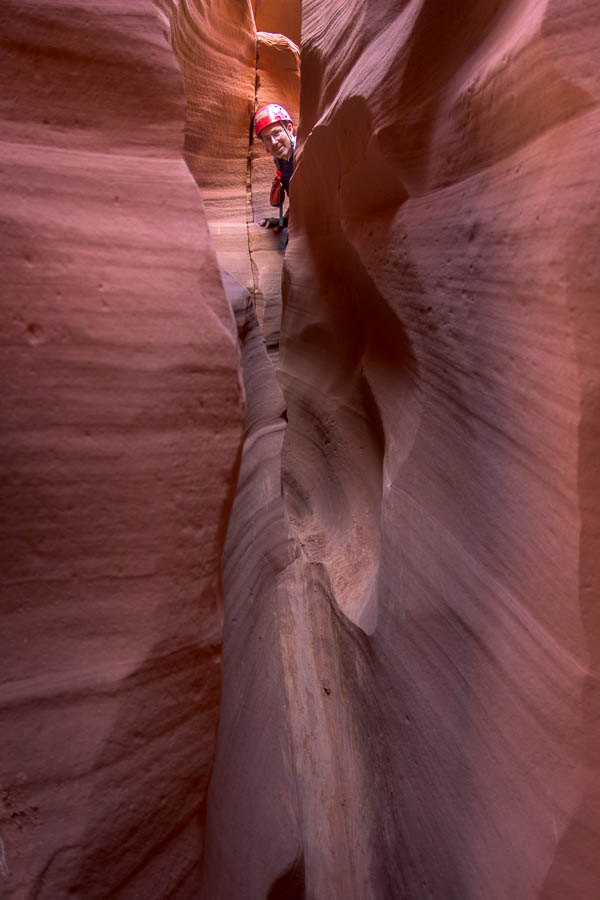
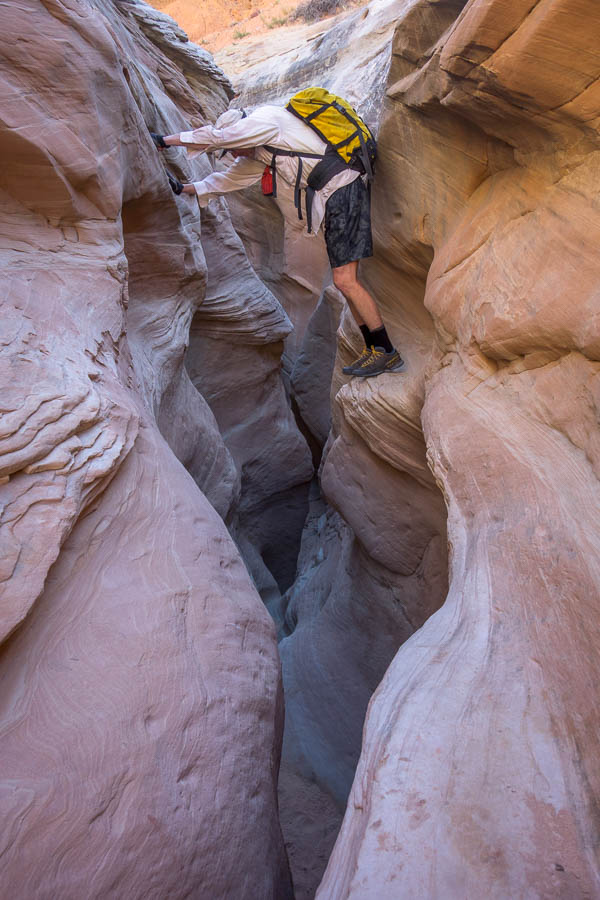
Squeezy slot

Sue concentrating hard

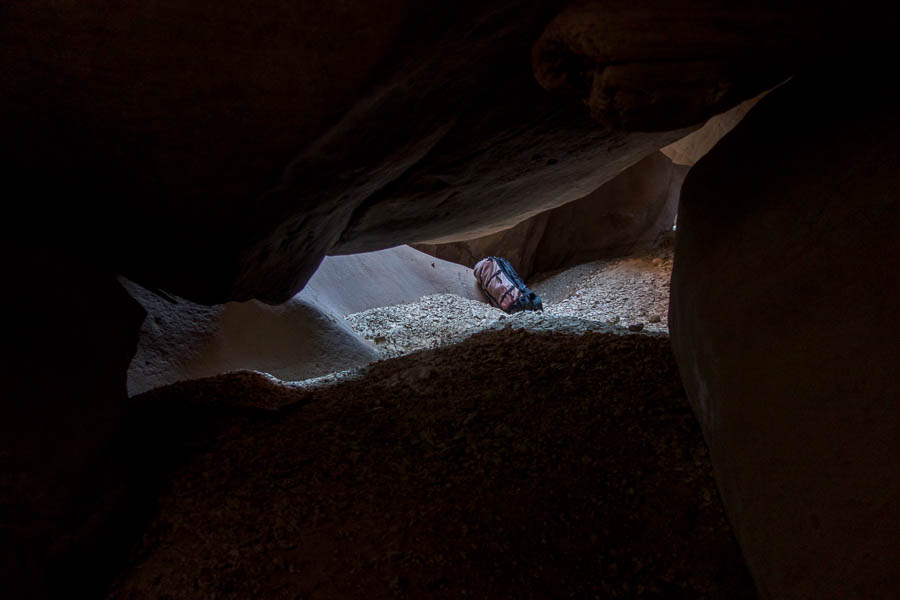
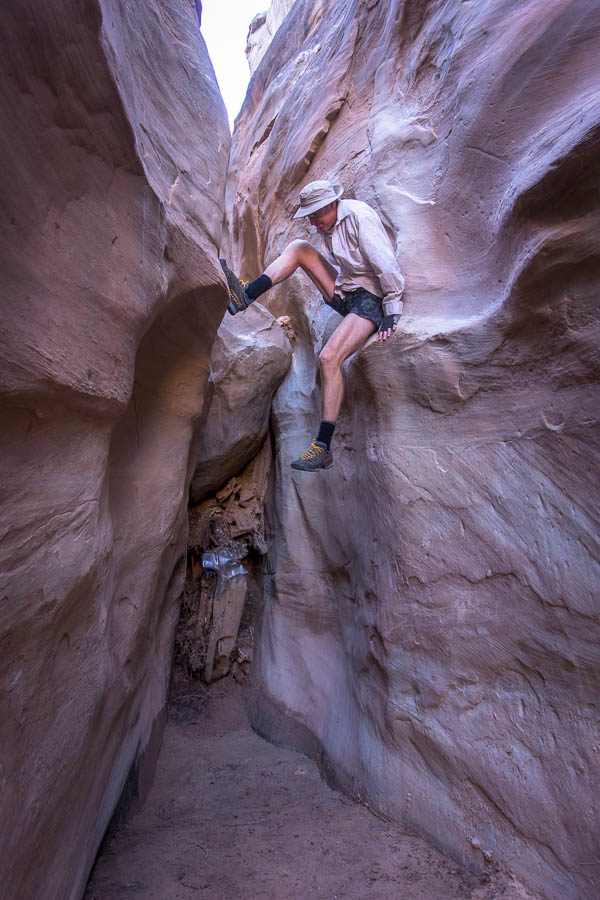
Through the hole

Below the hole

Georgia disappearing into the ferns

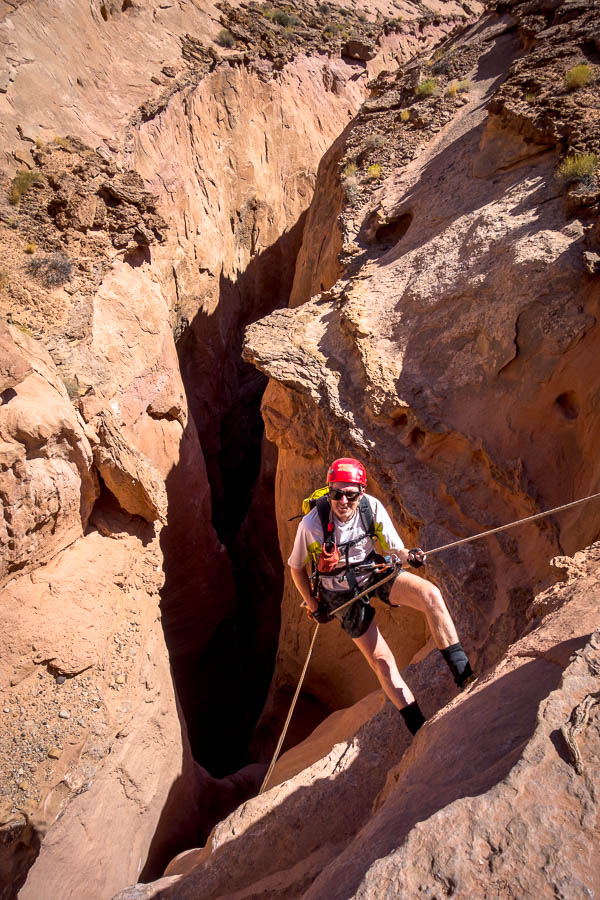
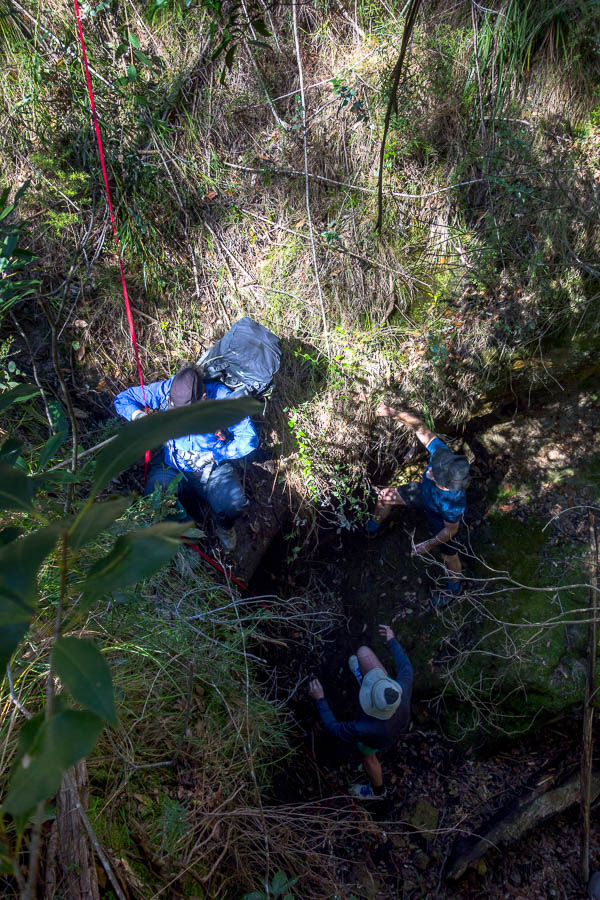
Below the final abseil

South America Sep – Dec 2025

Tom & I visited South America for four months in late 2025. It was the first time in that continent for both of us, and we hit quite a few ‘bucket list’ locations, as well, as a few (not many) places off the beaten track.

I’ll add posts incrementally as I have time:

Peru

Ecuador

Back to Peru

  • Sacred Valley
  • Inca Trail / Machu Picchu
  • Cusco

Bolivia

  • La Paz
  • Uyuni Salt Flats / Altiplano

Chile

  • San Pedro de Atacama
  • Carretera Austral
  • Torres del Paine

Argentina

  • El Calafate
  • El Chalten hiking
    • Laguna Torre
    • Huemul Circuit
    • Chorilla del Salta
    • Laguna de los Tres
    • Mirador de los Condores & Mirador de las Aguilas
  • Ushuaia
  • Salta roadtrip
  • Iguazu Falls
  • Buenos Aires

Huemul Circuit – Dec 2025

Next stop El Chalten where we’d hoped to do quite a lot of hiking but the weather is notoriously fickle so it was very weather dependent. After our first couple of days there it looked like a small weather window was opening for 3 days. The forecast for the first 3 days was ok, the 4th was for a fair bit of rain – but we’d be out of the mountains by then. Not being that confident in alpine conditions we consulted a few local sources and decided it was good enough to attempt the Huemul Circuit.

The Huemul Circuit is typically a 4-day circuit of Cerro Huemul, a 2700m peak on the disputed border between Argentina and Chile.

The Huemul Circuit

One of the great things about El Chalten is most of the trailheads leave from town so no driving needed. This meant we just walked out the door (after registering with Parks via their google doc survey) at 9am and into the mountains. We were delighted to find we got some views of Fitzroy early on, and the vistas just kept opening up. The precipitation of the previous days meant there was recent snow on the ground, and plenty of boggy sections to negotiate. Only one shoes-off river crossing fortunately!

Tom with views of Fitz Roy

Crossing recent snow as we near our highpoint for the day, with spectacular views

Over the highpoint with views of Cerro Huemul (mountain on the left which the walk circumnavigates)

The only shoes-off crossing we had of the trip. A little chilly!

We made it to the day 1 campsite (Laguna Toro) and got one of the last ‘good’ sites. The problem with the weather windows is everyone jumping on the track when one arrives – there were probably >40 people at the campsite that night. Supposedly there used to be a long drop here, but not in evidence any more (only a large shovel). I felt quite uncomfortable with the volume of people and the lack of toilet facilities. Even if everyone is well-versed in LNT (which I doubt they all are) there’s only so many places you can dig a hole.

Andean Fox prowls around camp on night 1

We had hired a tent & sleeping mats for the trip. The tent was small, with negligible vestibule space. The mats were very thin. With no desire to spend 3 nights on the mats, combined with concern about how we’d go with the tent in the rain on day 4 and, concern about the mass of people at camp 2 (which was a lot smaller than day 1) led us to attempt to combine day 2 & 3, shortening the trip by 1 night. The Parks powerpoint presentation which everyone has to watch before starting, had 6 hours & 7 hours as the respective times for most parties, which meant we were looking at a 13 hour day. There’s plenty of daylight – sunrise around 5:30am, sunset at 9:45pm.

Our small hired tent. You can see the packs bulging in the front vestibule. Also note the wind barriers which were constructed all around the campsite

The very sheltered camp 1 is in the trees which are tucked behind a rocky finger to my left

So day 2 had us up at 5:30am and out of camp by 6:45am. Unfortunately we’d already seen a large string of people head off ahead of us. Unfortunately, because, very early on there is a Tyrolean traverse over RĂ­o TĂșnel. If you budget 5 minutes per person getting across it doesn’t take many people before you can be waiting for an hour. So despite all these people ahead of us we were amazed to get to it, and find we were the second couple there.

I think many people missed the route climbing up a waterfall and so had to backtrack. The first couple were a bit nervous so I was the first person across. It was a bit awkward to manage your pack as the landing spot is on slopey rock. It was much easier when someone else was there to help.

We had also hired the harness & gear needed for the Tyrolean – just one harness for the two of us. Ideally you alternate people sharing harnesses to maximise efficiency for everyone else. Let’s just say there wasn’t a lot of efficiency early on, but then a guy from the third party came across. He clearly had a lot of experience with Tyroleans and we got ourselves sorted. Tom was 4th across, and so we were then able to keep going.

Tom on the Tyrolean traverse over RĂ­o TĂșnel. The queue of people look on – top left you can see one person who’s not waiting and is braving fording the river instead.

The lone person fording the river rather than taking the Tyrolean. It gets a bit deeper before he gets out!

Views of the Tyrolean from upstream

Not long after the excitement of the Tyrolean the next challenge is passing the RĂ­o TĂșnel Inferior Glacier. But the ‘track’ leading up to that section is pretty faint, and I was employing all my route finding experience to pick our way efficiently along the slope of the mountain. I imagine you could take a lot longer through this section if you weren’t confident about picking a route. Given how lose the slope was I was very glad no one had caught up with us and so there was no danger of having anything knocked on to you.
On approach to the terminus of RĂ­o TĂșnel Inferior Glacier (on the left covered in dirt)

Passing the RĂ­o TĂșnel Inferior Glacier involves walking on the glacier for a ‘short’ period of time. The route changes each season so you’ve got to make your own way and decide when to get off. Early on the walking was easy as there were a lot of rocks on the glacier so plenty of grip, then it turned to straight ice and things started getting a bit sketchy. We bailed off onto the moraine – which was also a bit sketch, until we got high enough on it. Then it was a 500m slog to get to Paso del Viento (Windy Pass).

Tom walking on the RĂ­o TĂșnel Inferior Glacier – this section was easy as there were so many rocks there was plenty of grip

Tom walking on the RĂ­o TĂșnel Inferior Glacier – this section was getting a bit tricky and we bailed off not long after this photo

One of the key things for this trip is to know the wind forecasts for the two high passes, as they can be impossible at high winds. The wind was supposed to be gusting to no more than 28km/h so we were a bit surprised at the amount of wind we were getting hit with on the way up. Turns out most of it was coming off RĂ­o TĂșnel Superior Glacier and once we’d passed that it was far more pleasant!

Slogging out way up above the glacier

The top of the pass opens up to the really unique thing about this hike – views over the Southern Patagonian Ice Field. The views for the rest of the day were just outstanding. After a short morning tea break we descended to what is normally camp on night 2 (Refugio Paso del Viento).

Views over Southern Patagonia Ice Field – hard to capture the size! From near the top of Paso del Viento (Windy Pass)

Don’t be deceived by Refugio being in the name – it’s just an emergency shelter. We’d caught up to an American couple at the pass and they were doing the same as us, attempting to combine the two days. We both made it to camp 2 around 12:30pm, had lunch & assessed how we were going, and then were off again by 1pm. We’d caught one other couple but they were staying the night so they got best choice of the sites. There wasn’t a lot of space at camp 2 so I was glad I wasn’t going to be there if everyone from the night before made it through.

Approaching what is normally Camp 2, but in our case lunch

We were hoping to shave some time off the Parks estimates, but the next 4 hours were pretty much spot on. This wasn’t particularly surprising as there was little technical challenge in this section, and we aren’t breaking any speed records when it’s just straight-forward track walking. This four hour section was undulating walking alongside/above Viedma Glacier and was spectacular. It was also great because it felt like we were out there on our own (the Americans were a bit ahead of us most of the time). A late afternoon tea (5pm!) on Paso Huemul gave us the energy boost for the final section.

The views for the rest of the afternoon were just spectacular

Having a break and filling up water from one of the many glacial streams (needed to let it warm up a bit before you drank it!)

Looking toward Paso Huemul. A few walkers can be seen in the middle distance.

On our way to Paso Huemul. Viedma Glacier behind Tom.

Slogging our way to Paso Huemul. Viedma Glacier behind

Made it to Paso Huemul. Goodbye Southern Patagonian Ice Field/Viedma Glacier.

Down the other side of Paso Huemul

It is a notoriously steep descent (700m over <2km) down to camp 3. It started off pretty pleasant, but the lower sections were highly eroded. Some sections had ropes in place as you were just going down dirt banks with few hand or foot holds. It’s hard to see how this track can be sustainable in the long term given it’s popularity. This section was supposed to take 3 hours but given we’re pretty used to dealing with terrain like this we did it in less than 2 – making it into camp 3 (BahĂ­a de los TĂ©mpanos) at 7pm. The most spectacular 12 hours of hiking I’ve done!

Negotiating the vegetation in one of the rare horizontal sections of the descent

One of the eroded sections of the descent. Hard to capture – this was one of the less steep sections.

Camp was packed so finding a site was a little tricky, but in the end we had a great spot. The photos make it look like we’re on our own, but there were probably 20 tents all pitched right next to each other in the trees behind me.

It’s not often you get to camp next to icebergs – they are noisy! We saw one crack in half while we were eating breakfast.

Breakfast watching the icebergs

The final day is the longest (if you do the 4 day version!), and potentially even longer if you can’t get transport at the end point. We both had very sore feet by this stage and really didn’t want to do the extra 8km slog into town if we couldn’t get a lift/taxi.

Compared to the prior days the final day doesn’t have the same wow factor.

On our way out – the weather looking somewhat ominous over the mountains.

Terminus of Viedma Glacier & Paso Huemul in the far distance

There are good views of the Viedma Glacier terminus, and the track is quite pleasant, but otherwise the highlight is another Tyrolean traverse – back over the RĂ­o TĂșnel. Given this comes close to the end of the track we thought queues might not be such an issue but we arrived to about 8 people in front of us. Four were with a guide and she was very efficiently getting them through.

The other three were very relieved when we said we had a pull cord with us as none of them did! You need a pull cord to retrieve the pulley that you go across the traverse with. This meant Tom ended up managing the pull cord for them (& me) and so no photos of me doing either of the Tyroleans. Fortunately I’d learnt my lessons from the previous day and was very efficient this time round.

Arriving at the second Tyrolean Traverse of the trip

Tom on the Tyrolean

The awkward dismount from the Tyrolean (though easier than the one from the day before)

The final 3km to BahĂ­a Tunel Ferry Dock was a slog – hot and no wind (!). Fortunately for us the 3 we’d shared the pull cord with had arranged a taxi (not sure how as I had no phone reception) and it had just arrived when we got there. Tom ran (well, hobbled) over and asked the driver to come back and get us. One of the others spoke Spanish so was able to interpret. What a relief! 40 minutes later he was back and we were being driven to El Chalten

For reference in Dec 2025 that taxi cost us ARS60,000 using credit card / 50,000 for cash (roughly A$60). I imagine many shoestring backpackers would rather walk the extra 8km than pay that… but from our perspective it was a cost we’d take every time.

Very glad to be waiting for a taxi and not slogging another 8km to town

A great trip, though like many popular walks, I think its probably being loved to death.

—-

Our statistics (from GPS so including every up/down)

Day Time (incl breaks) Distance Asc / desc Max Altitude Destination
1 7 hours 18.7 km* +1230/-985 1,060 Laguna Toro
2 12 hours 27.0 km +1850/-2250 1,428 Bahía de los Témpanos
3 6.5 hours 17.3 km +670/-670 517 BahĂ­a Tunel Ferry Dock

*includes the walk from our accommodation, and also wandering around/collecting water once we got to camp. Normally day 1 is quoted at ~15km.

Galapagos – Oct 2025

After the Amazon, due to flight schedules, we had a night the highly dangerous city of Guayaquil. Regarding Guayaquil the Australian Government advised to “reconsider your need to travel due to high level of gang-related crime and threat of kidnapping.” I shouldn’t joke about it – and we certainly didn’t court danger. We had one of only a couple of nights for the whole trip in a proper hotel, with a shuttle to and from the airport, and our only excursion was to the large mall across the road.

Having survived that we then flew on to the Galapagos. We got our first iguana while we were walking from the plane to the airport terminal. Our next animal encounter was in the luggage collection area – we all had to stand by and watch two dogs sniff everyone’s luggage before we were allowed to collect it. It’s then a bit of a convoluted process to get to main town of Puerto Ayora – a bus to the canal, then a boat across the canal, then a cab! All to be paid in cash.

Waiting for the dogs to sniff our luggage

We had two nights in Puerto Ayora where it became obvious how easy the wildlife was going to be to spot – sea lions in cycle lanes and marine iguanas on the footpath. Coming from the jungle where binoculars were critical as everything was at quite a distance this was a welcome change!

Cycle hazard

Tom surrounded by Candelabra & Opuntia Cactus on our way to Tortuga Bay

Following our time in Puerto Ayora we did an 8-day cruise on a boat with 13 passengers (including us), a guide and about 7 crew, and visited 6 different islands. Across the Galapagos there are maybe 50 sites over about 14 islands that the boats can visit, and all the boats do a 21 day loop, visiting 2 sites a day. There’s a maximum of 4 boats at any one site at a time – though we were often the only boat at our sites (we were there in the off-season if Galapagos has such a thing). At most sites we would do a couple of activities – depending on the site, walking, snorkelling, a ride in an inflatable boat, or kayaking.

Santa Cruz Highlands: Giant Tortoise

Santa Cruz Highlands: How many giant tortoise can you spot in this photos? (There’s 6)

Santa Cruz Highlands: Giant tortoise poo – quite big!

Santa Cruz Highlands: Tom in a lava tunnel

Santa Cruz Highlands: Another Galapagos adaptation?

Isabela Las Tintoreras: Marine iguanas overseeing the white-tip sharks

Isabela Las Tintoreras: Amazing access to wildlife! White-tip shark nursery channel

Isabela: Villamil Flamingo Lake

Isabela Is.

Isabela: Blue-footed booby

Isabela: Sealions were always entertaining – even when not moving!

Typical snacks on return to the boat from an excursion

We had the fun of the boat generator breaking down on day 3. So we were without power for about 12 hours while a speedboat was dispatched with parts and engineer. No power meant the kitchen couldn’t cook anything (sandwiches for dinner), our below deck windowless room had no light or aircon (so most of the below deck guests slept outside or in the guest lounge that night), no showers (so sleeping was a bit sticky as we’d been swimming that afternoon). Fortunately it got resolved during the night! And the engineer stuck around on board in case anything else went wrong – and got his first ever visit to Genovesa as a bonus.

Isabela – Moreno Point: Cero Azul shield volcano

Isabela – Moreno Point: Here’s looking at you! Pelican & flightless cormorants

Isabela – Urbina Bay: The far more illusive land iguanas (relative to marine iguanas!)

Isabela: Tom with Darwin Lake and Tagus Cove

Fernandina – Espinosa Point: What’s a pile of marine iguanas called? Our boat in the background

Fernandina – Espinosa Point: The very colourful Sally Lightfoot crab

Fernandina – Espinosa Point: Lava cactus – endemic to the Galapagos

Fernandina – Espinosa Point: Tom and the lava cacti

Santiago – Egas Port: Sealions – mum & pup. We saw pups most days – so much fun to watch.

Other than tropical fish, things we spotted while snorkelling included: sea lions, green sea turtles, penguins, flightless cormorants, pelicans, sharks and rays. Most of these came within a metre of us at one time or another while we were swimming!

Santiago – Egas Port: Blowhole excitement on Santiago Is.

Santiago – Egas Port: Galapagos Fur Seal – it launched itself into the water from that spot eventually.

Tom enjoying a sunset from the back of the boat.

While we did see a lot of sea-life, the thing we saw the most of was the birds. Variously spotted from panga (dinghy) rides, walks or kayaks. Genovesa Island was an absolute highlight. We were there in breeding season and the birds were thick on the ground – literally. They were all around, metres away, and you had to watch your step, as there would regularly be adults or chicks on the path. The frigatebirds were also impressive – and huge, like a mini-pterodactyl. They don’t dive for fish themselves, but they will chase other birds who have caught fish. We watched two of them catch a tropicbird in flight by the tail and shake it to get its fish!

Nazca Booby on Genovesa Is.

Red-footed Booby on Genevesa Is.

Nazca Booby – parent & “baby” (it eventually ends up bigger than the parents as they feed it so much they end up in poor condition)

Juvenile Lava Gull

Wading through the mangroves to see nesting birds

North Seymour: Male Magnificent Frigate birds – non-displaying and displaying!

Sea life didn’t really agree with me, while the wildlife was outstanding, the rest of the time on the boat was more a matter of endurance. With the benefit of hindsight I now understand a lot more about stabilisers and why you might want them on a boat. We had chosen a small boat deliberately, and don’t regret that choice at all, but a future trip would be on a catamaran!

I would be remiss not to include a Galapagos Finch photo – while waiting for our flight out at the airport!

Yasuni National Park – Sep 2025

We had a few days in Quito between the Huayhuash Circuit and heading into “the Amazon”. The Amazon basin is obviously a huge area and there are many different places you can visit it. As we were trying to fill some time between Northern Peru and the Galapagos we’d chosen to go to Yasuni National Park in the East of Ecuador. Specifically to a community-run lodge situated on the Tiputini River – one of the many tributaries of the Amazon River.

Our trip didn’t start so well when there was no one to meet us at Coca airport. Eventually someone turned up – who didn’t have much English and had no official signage – but at least he said the name of the lodge. We were taken to a local restaurant in Coca where breakfast was a whole fish with plantain patties. Eventually Bill, our guide, who was meant to have met us at the airport, turned up – looking very much like he’d just rolled out of bed.

Once we’d had breakfast we were offered grilled grubs (chontacuro) on a skewer – a local delicacy apparently. Like contestants on Survivor we dutifully ate them, but I wasn’t likely to be going back for more. Then it was time for a 2 hour drive to a nondescript put-in point on the River Tiputini.

The put-in point

Us, our luggage, food and water were all loaded on the river boat. Then we were in the hands of our boat driver to guide us around the obstacles and to our lodge an hour or so downstream. Home for the next six nights was a canvas style safari tent with a big thatch roof over the top. The bathroom was out the back of the tent – open to the bugs but the thatch covered it from any rain.

Some of the lodge buildings from the river

We’d notionally signed up to 7 day tour involving hiking, kayaking and camping. Of course, everything was subject to the weather and the program that we’d seen on the website was more of a guideline. As it turned out, the program probably hadn’t been updated for some time. For example, it had included some cultural experiences (which we were quite happy to miss out on), which were no longer possible because the house we were meant to visit hadn’t been occupied for several years.

We had our first hike in the late afternoon of our first day. We were kitted out with gumboots and headed off with Bill into the jungle (as it turned out we were the only guests for the first 5 days so had Bill to ourselves). We learnt pretty quickly that 1) it was very humid, 2) it’s pretty hard to spot wildlife in the jungle. Good thing that Bill knew lots of stuff about the plants and trees since there’s not always much else to talk about!

Bill looking for animals

There was a fair bit of rain while we where there, some of which slightly delayed our longest hike the next morning. We ended up heading out in the drizzle – but we remained surprisingly dry due to the thickness of the canopy.

Jungle infrastructure

Post lunch was always rest time, and then we would generally have a late afternoon activity. On day 2 it was a boat trip down the river – the skies opened up just after we left – fortunately the boat had a roof! The rain didn’t last long and we saw, what was probably the highlight of the trip (though we didn’t realise it at the time), two capybaras running into the river. On most outings we saw a few monkeys and of course plenty of birds – my favourite being a yellow-headed vulture. I left the animal photography to Tom as they were generally a fair distance away.

Pouring down – at least we have a roof!

Unfortunately I’d come in with the remains of a cold and as is often the way I had a cough which lingered on. I’d hoped the moist, sea-level air would help settle it down but no luck. So, my overall enjoyment of the trip was definitely impacted by my poor sleep due to coughing… and the large amount of insect bites we acquired on day 3. The packing list for the trip had listed “repellent (no spray)” so we’d brought along gel-based repellent. I’m still not clear why spray wasn’t recommended as it became clear we really needed to have covered our bodies, including under our clothes, with repellent.

One of the bigger trees we saw

The morning of day 3 had us visiting a parrot clay lick. We waited in the hide for a couple of hours and the parrots very slowly started making their way down. Just as it felt like they were getting a bit of confidence to move in larger numbers a hawk arrived and they all scattered. So that was the end of that. But, we suspect, while we’d been sitting there not moving for 2 hours, some other things had been moving. We ended up covered in mite bites – in some pretty unpleasant places – all underneath our clothing.

The afternoon of day 3 we went looking for anacondas in the lagoon across the river from the lodge. It was very peaceful, but no anacondas spotted.

Hoping for anaconda on the lagoon

Our morning hike on day 4 had us stalking a tapir for a long time – plenty of footprints, but we never found it. The plan had been to go camping on night 4 but a huge thunderstorm broke mid-afternoon and continual rain into the evening nixed that plan.

Tom relaxing in the main dining room/lounge

The butterflies liked anything salty (so therefore anything sweaty)

Instead we convinced Bill that we wanted to go kayaking (since that had been on the program!), and so we agreed we would kayak to the intended campsite the next morning. Tom & I had a double-inflatable and Bill was in a single – which perhaps had a leak which might have explained Bill’s reluctance? There was enough current in the river that we didn’t have to do much paddling.

Kayaking down the Rio Tiputini

Before we knew it we were at “camp”. It was a pretty sorry sight (& site!). The river had been dropping over the time we’d been at the lodge and all the banks were very muddy. Our crew chopped a camp into the vegetation and got palm leaves to put down as a natural groundsheet to avoid the tent area getting (more) muddy. I almost told them not to worry about it and we’d just head back to the lodge it was that unappealing (since all the gear had come down on the river boat, so it was all entirely contrived as a camping experience). But, Tom reckoned we should roll with it, so we did.

Possibly the muddiest campsite I’ve ever had

So many beautiful butterflies (and this isn’t even a good representation)

Fortunately rather than spending much time at camp we spent most of the day fishing. Before lunch we headed a bit upstream and Bill and the other crew managed to catch 4 catfish in pretty quick succession. Tom & I didn’t have much luck though my bait did get taken – apparently by a piraña (piranha) – based on the state of the bait. I don’t know that I’ve ever had fresher fish for lunch? We were saddened to learn that the Napo River, which is the larger river to the north, is now basically dead. Our guide said that the local people no longer fish from it, as there has been so much pollution from the oil industry.

Tom throwing out a line

Unfortunately the afternoon’s fishing was far less productive – despite trying 5 different spots. The only thing that got caught was a stingray. The local people who run the lodge no longer take stingray from the river, so it was quite the effort to get the hook out of the ray and throw it back in, while avoiding the stinger.

The stingray before it was unhooked and thrown back in

Our camping mattress had a slow leak – fortunately sufficiently slow that we got through the night without getting to the ground. I think the crew were as keen as us to get out of the mudfest, so we were on our way pretty efficiently after breakfast the next morning. Bill, Tom & I got dropped off at a track which followed the ridges back to the lodge. This was a nice change from walking on the valley floors as we got some views and it was less stifling. The highlights from that walk were a jaguar footprint and a poison tree frog.

Some other guests arrived that afternoon so we had a shared boat trip with a Polish couple & Bill as our final activity. Then at dinner another Aussie guy, who I’m guessing had paid for a private guide, also appeared (with his guide). Tom & I were pretty happy to be having dinner with a few other people as we’d just been dining with Bill every night to that point. Though we had to work for it – initially we’d been set up as a table for 2 and everyone else was on another table!

Colourful fungi

The guests that arrived that day had been taken a long way round as there were protests blocking the road to/from the airport. There was some concern that these would still be in place in the morning when we headed back – that meant getting up an hour earlier than expected. It had started pouring during the night, and it was still pouring as we scurried to the boat in the dark at 5am. The skill of our boat driver was pretty incredible – we were going upstream in the dark with pouring rain. He must just know the river so well to have been able to avoid all the snags – the river had dropped over 2m in the time we’d been there so there were even more snags than when we’d arrived. Fortunately (or not given our early wake up?) the protests were not a factor and we had a straightforward run back to Coca airport, so we could get on our way to the Galapagos.

Huayhuash Circuit – Sep 2025

All of our efforts in acclimatisation were building up to doing the Huayhuash Circuit. The Huayhuash is a mountain range in the Peruvian Andes, a few hours from Huaraz. The so-called “Huayhuash Circuit” can be done with a few different configurations, for us it was a 10-day trek.

Our route

We did it as a guided trip, which meant we only needed to carry day packs. We each had a 7kg duffel that went on the donkeys, along with group equipment such as tents (including a cooking tent and mess tent – great when it was raining!). We had a group of 10 trekkers, and 5 support staff including a guide, two donkey drivers, a chef and assistant chef. Out team – both walkers and support – was great. There were in fact two groups from our trekking company starting at the same time, but we anointed ourselves Team A, or Team Colourful – and the other team as Team B (Blue, Boring)! We were kept relatively separate while we were walking – but we had a bit of interaction at camp, along with various independent walkers and a couple of other guided groups.

As with most hiking in Peru there’s significant altitude to deal with. For me & Tom it was our first time above 3,400m. The altitude was the main reason we elected to do it as a guided trip. We were very thankful for our decision – walking was hard enough just with day packs. We had Diamox from our doctors back home – with some pretty vague advice about how and when to use it. After doing internet research (what could possibly go wrong?) Tom & I elected to take a quarter-tablet dosage twice-daily for the first 3 or 4 days as a preventative measure. Whether it made a difference or not who knows? But we didn’t have any altitude issues.

Day 1: Huaraz to Matacancha

We had a 4:30am pickup, then a long 4 hour drive on some pretty bad roads, to get us to breakfast about 9am. I was expecting a lot more driving after breakfast but less than half an hour later we arrived at our campsite.

The walking on day 1 was largely just about more acclimatisation. Camp for the night was at 4,100m, so a 1,000m jump from Huaraz. We walked up a nearby hill with day packs, from where we had been driven to. This was our first experience of having Robert, our guide, set the pace. It was very, very slow – but we needed it!

Some more excited than others on our day 1 acclimatisation walk! (Robert our guide on the right)

After our walk we were able to settle into camp. Each ‘couple’ were assigned a tent number (written on the tent), which was your tent for the whole trip. This had the advantage of meaning there wasn’t a scramble for the best-pitched tent – some days you got lucky and other days you didn’t. Jo & I were sharing a tent since when I invited her on the trip Tom wasn’t meant to be coming on this section. When he made the late decision to extend the time he had off I’d told him he’d have to share with a random, so he was in a tent with Yusuf. Fortunately they seemed well aligned as they both wanted to get up much earlier each morning than the rest of us, as they were both faffers.

Camp night 1 – yes, the slope of the tent is real. Though Jo & I got one of the flatter pitches.

Our group was made up of me, Tom & Jo, plus another Aussie woman from Brissie, a couple from Washington State, a woman from Canada, two women from France and Tom’s tent mate from Iran (but living in the UK). I suspect the non-Australians probably had a bit too much Aussie content by the end of the trip. Team B was largely made of up Brits (another reason for being Team B).

Day 2: Matacancha to Mitucocha

Despite the altitude jump I slept really well. We had coca tea delivered to our tent – what was to become our regular wake-up call (though we generally set an alarm for a little earlier). This was my first experience of coca tea and I didn’t like it. I started feeling a bit off before breakfast and couldn’t finish eating it. I’d already had to fight the nauseous feeling around the smelly toilet, but just after we started walking, and got to a fresh pile of donkey dung, I couldn’t fight it any more. I vomited just off the track. A great start to our first real trekking day! As is often the case I felt better for it and we kept going, but then I started to overheat with so many layers on now that we were climbing. I clearly hadn’t emptied my stomach sufficiently so it wasn’t long till I vomited again.

The windy track leading up to our first high pass in the distance

At this point our guide was assuming I had some sort of altitude issue and was quizzing me on our acclimatisation preparation. I was pretty sure it was just something wrong with my stomach – whether that was better or worse I don’t know! Fortunately, after the second vomit, that was the end of it, and I was fine for the rest of day (and the trip). I laid the blame on the coca tea and didn’t touch it again.

The mules following (but soon to overtake!)

We made our way over our high pass for the trip, Cacanan at 4,700m, and then down to our spectacular campsite – mountain views from our tent doors. We had a short walk up to the shores of  Mitucocha Lake in the afternoon where we spotted some Andean Geese and a Caracara (Falcon).

Mules & donkeys grazing at camp on night 2

Day 3: Mitucocha to Carhuacocha

The day started with a very gradual ascent which was nice. Today was the first of the “alternative” routes – where we left the donkey route and went on a trekkers only route.

Our team: the 4 Aussies in the front row, Robert our guide holding the banner.

Hugging the mountain

The highlight of the day was a spectacular viewpoint over three lakes. We had lots of photos there before a very steep descent down to camp.

Tom channelling Smiffy

It didn’t feel like the track would be usable for that many more years as it was very dirt-based and so steep.

The start of the steep descent to camp (the eagle-eyed will spot the yellow tents at the far edge of the lake)

Camp was once again in a spectacular spot. Some braver people than me dared a swim in the lake we were camped next to.

Spectacular camp on night 3 (but more slopey pitched tents!). Arguably the most scenic of our camps.

Despite us only being a couple of days into the trip we soon became familiar with some of Robert’s favourite phrases. When he got asked what an ascent was going to be like, the response was inevitably one or more of “Muy facil!”, “Piece of cake”, “Easy Peasy”. Usually more emphatically the harder the ascent was likely to be. And when asked what the weather was going to be like “I’m a guide, not a god”. Or when asked for more future detail than he felt was necessary: “Today is gift, tomorrow is a mystery”.

Day 4: Carhuacocha > Huayhuash

The team was keen for us to get going early – aiming for a 6:45am departure. Such that while we were eating breakfast in the mess tent it got lifted off over our heads so they could get it packed! Fortunately it was a lovely morning for an al fresco breakfast.

Some wildlife spotted early on as we walked round the lake – a chinchilla and a fox. We did a short side trip to a viewpoint over a lake with ice in it.

Well worthwhile side trip for views over this lake

Then we continued our gradual climb – but we could see where we were heading in front of us – and it was much steeper!

Still climbing but in one of the flatter sections

We made our way up the steep pass to the ‘traditional’ three lakes viewpoint – the same three lakes as the day before but from a completely different perspective. That wasn’t our high point though – another hour or so got us to the high point of 4,800m at Siula Pass.

Part way of the steep pass – looking back at the magnificent scenery

This was the only day we had lunch while we were walking (every other day we had it at camp). The team carrying lunch had pushed on and found us a somewhat sheltered spot just below the pass. And what a civilised lunch it was – fried rice – and it went down a treat!

Lunch in a sheltered spot just off the top of the pass

Jo, with camp now visible a long way below us

It was lovely warm afternoon, and Tom & I managed to have wash in the stream below camp which was very refreshing.

Day 5: Huayhuash to Huanacpatay

Another day where the team was keen to get going so another al fresco breakfast. The tent being lifted off over your head while sitting at the table is a little disconcerting. We were walking by 7am.

Al fresco breakfast

We had a gradual ascent (700m) up the valley to eventually reach the San Antonio pass at 5,030m. The group took the decision to do a side trip up to a lookout at 5,145m – which would be our highest point of the trip. It was well worthwhile with great views of the mountains and glaciers.

Tom & Jo on our side trip to 5,145m

Then it was, unsurprisingly, a long descent with quite a lot of undulation. We afterwards referred to this as the “zombie day” as most of the team really faded as we descended. We didn’t get to camp until 1:45pm – fortunately lunch was ready almost as soon as we arrived. I understand why the team preferred to give us lunch at camp – it was much easier for the chef to have the mess tent and cooking gear set up, but I would have been much happier on a few of the days (like this one) to have a packed lunch.

Beautiful afternoon at camp

One of the routines of the day was “tea time”, usually around 4pm, where we had tea (well, hot drinks) and some snacks. My favourites were the tequeños (wontons with cheese). On a day like today, it felt like we’d barely finished lunch when it was time for tea time!

Day 6: Huanacpatay to Cutatambo

There was precipitation during the night which intensified as we got closer to get up time – hail/snow rather than rain. Fortunately we weren’t subjected to an al fresco breakfast this day! Despite the weather the walkers were largely ready at 7am, though camp was nowhere near packed up compared to usual. The snow stopped just before we started and the cloud lifted. Everything was covered in a layer of snow – for those of us unused to snow it was quite magical (the Canadian was perhaps less enthralled).

The same campsite the next morning!

The 700m ascent to our high pass, Santa Rosa (Jurao?), was pretty steady. Steeper initially then through a flattish bowl surrounded by snow. We got adopted by a dog somewhere up there which hung around with us for the rest of the day. We got to the pass at 5,080m by 10:30am, where we had good views and it wasn’t raining.

On our way up to Santa Rosa

The dog joined us and stuck with us for the rest of the day.

Descending before the sleet started up

The sleet started again as we started our descent – though the views were still good despite that. It was really stunning, my favourite day of the trip, regardless of the weather. As we got lower the sleet stopped and we could enjoy views of the glacier and the lakes.

Tom in the sleet, with amazing views

We made it into camp at midday. This was another day where the donkeys took a different (much longer but flatter) route. The donkeys had only just got into camp as we arrived, so it was fair while until lunch was ready. I quizzed Robert about when we were going fishing as our pre-walk notes had said “you will be able to practice one of your favourite sports fishing, we will provide you typical fishing material and worm, with a little bit of luck you will enjoy of delicious fried trout at tea time”. He laughed and, not for the first time, muttered things about head office writing fantasies about what happened in the field.

Six of the team headed up with Robert to Siula Grand Base Camp (no fishing equipment in sight), unfortunately Tom and I weren’t with them – both nursing niggles that we figured shouldn’t be subjected to optional things. Siula Grand was the mountain made famous by Joe Simpson’s book “Touching the Void”.

Despite only 4 of us remaining at camp the food served up at tea-time was enough for 10. Unfortunately for me it was popcorn (not a fan) but the other 3 made a valiant effort to make their way through it. There was much discussion about what had happened to Team B, as they did not appear at camp that night.

Day 7: Cutatambo to Huayllapa

It was a cold night – the tent was frozen in the morning. Tom said that the dog was asleep outside his tent when we got up. Probably unsurprisingly it was a beautiful, clear morning with great views of the surrounding peaks.

Tom in the early morning – ice on the tents

Poor old doggo, trying to keep warm. Note the ice on the donkey poo.

This was our only day without a big ascent/descent and so it was a somewhat relaxed pack up, and we got pancakes for breakfast! We walked in the sunshine down the river valley – only 3.5 hours including a morning tea stop.

The trail became more and more civilised (though very rocky) as we approached the village

On the first day we’d needed to make a group decision about whether we going to stay in a ‘hostel’ in the village on this night, or whether we were going to camp. Some in the group had very strong opinions about wanting to stay in the hostel (showers & wi-fi I think being the primary motivators), and so it was a bit awkward for those of us who weren’t so keen. It was a little bit confusing as I was keen to push on for a bit, to reduce the climbing the following day, and camp outside the village. That had been an option in the pre-trip documentation but it didn’t seem to be an option presented to us – it was either the hostel, or camp within the village. When presented with only those two options then the hostel seemed like a no-brainer.

Enjoying tea (& wifi) in the courtyard of our hostel

Some of my hesitation for the hostel was from reading other blogs which implied rowdiness at the hostel. As it turned out there were many ‘hostels’ – which were more like guesthouses. Our group largely had one place to ourselves. I think the big disappointment for most was that Robert had promised us hot showers. Anyone who has travelled in Peru for any length of time has got to be dubious about claimed hot water, so I wasn’t that surprised when my shower wasn’t hot. Unfortunately, it turned out, after most of us had endured the cold shower that the heating unit just hadn’t been plugged in. D’oh.

Dinner was the world’s biggest serves of spag bol – even when we asked for halved versions they were very substantial.

Day 8: Huayllapa to Cashpapampa

As it turned out it rained overnight so we were feeling pretty happy about being indoors. It was an easier pack-up than usual and then we were off for 5.5 hours of ascent. We’d dropped quite a lot (but very gradually) the day before so we needed to regain that, and more (all up 1,300m ascent) to go over the Tapush high pass.

Slowly slogging our way up 1,300m

Then we had an hour of descent to our highest camp of the trip at 4,450m. We were glad to see Team B here – with the sickness that had affected some of their party they’d lost a few members who left early. I’d asked Robert if perhaps they would have had 2 nights at this camp and perhaps climbed Diablo Mudo? Our notes had suggested that was an option – it was only once we saw Diablo Mudo we realised it was a full mountaineering peak and another example of head office fantasy writing!

Once we got to each camp the mules and donkeys were generally let loose to graze. (And apparently it was quite amusing seeing the team re-capture them each morning, but we were always walking before that happened.)

I think most of the team were napping when the donkeys decided that the toilet blocks were an easier drinking spot than the creek. It was somewhat of a good thing because the big basin outside the toilets was blocked and almost overflowing, and once the donkeys had been past it was almost empty. A poor woman was in one of the cubicles when they arrived and had quite a fright when she exited to find a donkey immediately outside the door. It took a little while for some of the donkey drivers to notice and chase them off.

The donkeys decide the toilets are the best place to drink water

The rain started in the early evening so we had an early dinner. It made it much trickier for the team to serve us when it was pouring down outside. There was also some big thunder and lightning rolling around. Dinner was always made up of three courses – a delicious soup to start with, followed by a main – normally featuring potatoes or rice (or both!), and ending with a small dessert – usually a couple of pieces of fruit with some sugar syrup. So there was always plenty of coming and going between the cook tent and the mess tent as the different courses were served and then cleared. After dinner some of us would sit round and drink tea and play cards, but this night we eventually did somewhat miserable dashes out into the rain to toilet before getting into our tents.

There were a handful of dogs doing the walk with us, I think only one belonged to a guide, the rest were just itinerants. This particular night we all wanted to kill one that spent the night barking at it’s echo – a very circular feedback mechanism.

Day 9: Cashpapampa to Jahuacocha

I was glad to wake to clear skies after the weather the previous evening. I’m not sure why, but I was surprised to find the tent was frozen solid. I continued to be in awe watching our crew packing everything up with bare hands. That was definitely something worth paying for – not having to fold up frozen tent poles in the morning!

Our morning routine was:

  • coca tea in the tents (or not in my case)
  • pack everything up into either the duffels (for the donkeys) or our day packs
  • roll up our bed rolls, and get everything out of the tents
  • the crew would pounce on the tents as soon as they were empty to pack them up
  • then as soon as breakfast was done (or earlier!) the mess tent would get packed
  • the walkers would set off
  • everything else would get strapped onto the donkeys
  • not long after (if we were on the donkey trail) we’d get overtaken by the donkeys, the donkey drivers and cooks, who’d then push on to camp and set everything up, so that generally we could go straight to our tents when we arrived

Our highest camp of the trip

We descended a bit of a way before starting the ascent to the high pass. I was struggling more than usual with getting air into the lungs and found the ascent pretty hard going. It took us a couple of hours to get to the Yahucha high pass at 4,800m. Oh, except that wasn’t the high point, we had a further 60m of ascent on an alternative trail to a spectacular viewpoint. We had a nice long break there – some of the group headed further up the ridge, but I figured the views weren’t really going to change.

The final 60m ascent to our high point of the day

Spectacular high point views for the day

We then had a very speccy ridge walk – though being completely open it was quite windy.

Speccy ridge walking

Cactus in flower

This was followed by a steep and painful 700m direct descent to camp.

People starting the steep, direct descent to camp (on the foreshore of the lake)

Camp was very busy – I think people who do shorter versions end up camping here. There were also locals selling beer, soft drinks and wi-fi access – which was definitely an indication we were nearing civilisation.

The rain, then hail, set in again in the afternoon. Our French companions had been waiting for the pizza to make an appearance and they were finally rewarded when it came out at tea-time on our final afternoon.

Fortunately the rain eased off a bit for dinner. We had a number of thank you speeches, and mulled wine, as it was our last night.

Day 10: Jahuacocha to Illamac (and back to Huaraz)

Robert had told us the night before we had to get up at 5am as there were sections of the road which were only open between 12-1pm and 5-6pm on the way back to Huaraz. We needed to get out so that we’d hit the 12-1pm opening. So we woke up in the dark and there was frenetic feeding by the kitchen the moment you looked like you were even vaguely ready for breakfast. We were walking at 6am.

Camp the next morning, with evidence of the weather around the tents

Beautiful early morning views, looking back in the direction of our campsite

Robert had basically forced us into choosing the alternative trail instead of the donkey trail. Normally I would have been keen for the alternative trail (no donkey poo, and often more spectacular), but in this case the donkey trail went over a high pass. Robert said it would take 1.5 hours longer, which we didn’t have because of the road closures. We were a bit disgruntled by this, so I was delighted to find the alternative trail was a balcony path following an irrigation pipe. It was a great (& flat) route but… it did go on and on (maybe 10km). Eventually we got to our descent by which point it was quite hot and in full sun.

The long balcony path stretches out almost as far as the eye can see

For one of the few times in the trip Robert had been leading from the back, and we’d been able to set our own pace. I was pretty footsore and hot by the time we got to the village of Illamac at the bottom.

The final stretch into Illamac

We were directed to someone’s house in the village for a traditional Peruvian meal. We were a bit concerned when they only started cooking after we got there – since it involved covering everything in hot stones – not a quick technique! So I asked about the road closures, and we were informed ‘oh no, it’s Sunday so there aren’t any’. Half the group quite unimpressed by our early wake up!

But that meant we could sit back enjoy the Pisco Sours and lunch. While the bus ride back was long there were no closures, and we were checked into our accommodation in Huaraz just after 5pm. Unfortunately almost everyone from both our trip, and Team B were staying at the same accommodation so the hot water ran out pretty quickly.

Summary of the trip below – based on the information provided by our guiding company combined with GPS data, so includes small ups & downs as well as the major ascent/descents.

Day Time (incl breaks) Distance Asc / desc Max Altitude Destination
1 2.5 hours 3.8 km +420/-420 4,520 4,100 Matacancha
2 6.5 hours 12.2 km +760/-720 4,700 4,230 Mitucocha
3 6 hours 10.7 km +690/-770 4,760 4,138 Carhuacocha
4 8.5 hours 13.7 km +1040/-875 4,830 4,330 Huayhuash
5 7 hours 12.2 km +980/-800 5,125 4,350 Huanacpatay
6 5 hours 6.9 km +780/-1010 5,060 4,200 Cutatambo
7 3.5 hours 13.6 km +260/-1015 4,200 3,550 Huayllapa (village)
8 6.5 hours 11.9 km +1420/-390 4,790 4,350 Cashpapampa
9 6 hours 9.8 km +600/-1084 4,850 4,066 Jahuacocha
10 5 hours 15.3 km +280/-1110 4,070 3,300 Llamac

Huaraz day trips Sep 2025

Getting to Huaraz is a bit of effort from Sydney. Two days of travel – a long-haul flight to Santiago, an intra-continental flight to Lima, a night in an airport hotel, and then a domestic flight to Huaraz. We eventually got to the first destination of our trip. My optimistic schedule had us going hiking the afternoon we arrived – we soon realised that was craziness. Not only were we contending with a 16 hour time difference, more importantly we’d gone from sea level to over 3,000m in one short flight. That I’d booked us an apartment not only on the upper slopes of town, but also 3 flights of stairs up the building, gave us more than enough of a workout for the first day!

I believe we’re in Huaraz

The next day however we set out on our first acclimatisation walk.

Laguna Wilcacocha

7 September

Laguna Wilcacocha is a mere 6km return walk, rising to something I’d seen described as the “Wilcacocha Pond” in a blog – so my expectations for scenery were not overly high. If it wasn’t for foreigners needing to acclimatise I doubt this walk would get much attention. But as it is relatively close to Huaraz, and climbs to 3,720m it makes for an excellent first acclimatisation walk.

The first challenge was getting to the walk – we used the details from this very helpful blog to make our way to the Mercado Central de Huaraz and locate a Line 10/E colectivo (minibus). With S/2 clutched in our hands, not sure when or how we paid it*, we piled in with all the locals and hoped we’d end up in the right place. Twenty minutes later, feeling very accomplished, we were deposited at the trailhead.

The trailhead

From there it was pretty much just up and up and up. It was hard work with the altitude so very slow going! The higher we got the better the views of Cordillera Blanca. The route was mainly just winding up tracks/roads through a village. We felt somewhat at home as we wandered past stands of Tasmanian Blue Gums (which we saw in many places through South America).

Hot and sun-exposed track

When we eventually topped out at the ‘pond’ we were all ready for a rest to let our breath catch up with us. There were great views of the range, so ignoring the pond we gazed out on the mountains for an hour or so.

Laguna Wilcacocha

This was our first experience of the dogs of South America. We were somewhat nervous of them given the non-zero risk of rabies, but generally they just looked hopeful that we were going to share our lunch (we weren’t). The interactions between the dogs and the geese around the lake were far more vigorous!

Mountain views and one of the many dogs we encountered

It was a pretty hot day, and we were baking on the trail on the way down as there is little shade and you’re in the full sun. We passed many people on their way up who were not having a good time of it.

Our colectivo ride back to Huaraz was quite exciting – we’d thought the driver on the way out had been going fast, but by comparison to the trip back he’d been somewhat sedate.

*I’m not sure when the locals paid, but the kid managing the fares seemed somewhat used to hapless tourists doing this route and just took our money when we got out.

Laguna Rocotuyoc (Pacchoruri Valley)

8 September

The early morning peace was shattered by a council worker wielding a whipper-snipper on the median strip below our apartment at 6am. Once we’d worked out what was causing the racket we were somewhat relieved. The grass was cut about as low as it could go – so we were confident it wasn’t going to need any further attention while we were there.

The trip to Laguna Rocotuyoc is more of a bus trip than a walk, but the important thing is gaining altitude. We were picked up at 8:30am and after collecting everyone, headed out on the road past the airport. We stopped at a cafĂ© where it was unclear to us what was happening. Our Spanish-speaking guide had little interest in communicating with us and eventually gave us ’20 minutes, tea, coffee’. We weren’t interested in tea/coffee so just hung out outside with various other English-speakers from the many tour buses that had all stopped at the cafĂ© at the same time. Just as we were about to leave a guy from Canberra (from a different bus) says “You know why we’re here, right? to pre-order lunch to eat on the way back”. Right… well, I guess we weren’t getting any lunch.

From there it was 1.25 hours of driving up very windy roads to reach the trailhead at 12pm. The trailhead was at 4,500m and our ‘hike’ followed the shore of Laguna Rocotuyoc to another small laguna which feeds it.

Laguna Rocotuyoc from the car park – the secondary lake is behind the rocky outcrop at the other end of the laguna

The shoreline track undulated somewhat and there was 50m climb to the other lake – 50 metres of ascent has never felt so hard!

Jo coming down from one of the slightly scrambly sections

The secondary lake was stunning – our first views of icebergs for the trip. If only we had lunch to eat while we sat and appreciated it – instead we had some manky apples.

The upper lake

At 2:30pm we departed, hoping that the lunch situation was incorrect given how late it was. But, no, 3:40pm back at the cafĂ© and everyone else had their pre-ordered lunches. At least we weren’t really hungry! By the time they had all eaten we didn’t get back to Huaraz till 5pm.

The adventure for the day didn’t stop there. We were just about to head out for dinner (which we were pretty keen for given the lack of lunch) when power went out for the entire valley. We waited a bit but it didn’t come back on so eventually we decided we needed to go look for something to eat – we didn’t have anything in the apartment, unlike at home when you have a pantry to fall back on. After much walking, we found a place that was preparing kebabs on a gas burner so with much relief we got something in our stomachs!

Kebabs by torch/candlelight

Laguna 69

9 September

Another bus trip but this time a 5:20am pick-up. To our surprise it was an almost full-size bus. To my relief the person who called on approach had some English, unlike the day before. We tried to settle in for the long drive but between uncomfortable seats, people not using headphones and general conversation I didn’t manage any sleep. We had a half-hour stop by police (?), but eventually got back on our way and after many winding dirt roads stopped for breakfast. The breakfast place had a very efficient system of taking orders and food appearing within minutes. The orderer struggled with Jo’s name – since there’s not really a J sound in Spanish.

Our breakfast orders (Tom = Tom, Reychu = Rachel, Lley = Jo)

Then it was back in the bus for more windy switchbacks. We had a brief photo stop at a lake and then we arrived at the trailhead around 9:30am. Our time budget for the day was 3 hours to ascend 700m/6km, an hour at the lake, then 2 hours to descend. We would get turned around if we weren’t tracking to that.

Chinancocha (or maybe Orconcocha) lagoon, where we had a brief bus stop on our way up

The track started flattish – and we needed to slow our pace, as despite the flat, we were already at 3,900m and working hard on the smallest of inclines. Unusually Tom was well in front of me and Jo – normally he’s lagging behind taking photos, but we were moving far slower than he was.

Jo on the early flat-ish section

After the flattish section the track moves into a series of gentle switchbacks which Jo & I felt quite good on and we overtook a lot of people. I’d not yet learnt ‘permiso’ (permission?) was the more appropriate phrase, and spouted a lot of ‘disculpe’ (excuse me) the whole way up.

The track then goes into another flat section at around 4,300m which was deceptively hard as it did have a slight incline. The final 250m of ascent was up steeper switchbacks and was brutal. We all found the last section pretty tough, but made it up to Laguna 69 in 2 hours 40 minutes.

Tom and Jo having a breather on the final steeper switchbacks

We made it!

The sun even came out and we found a nice spot for lunch somewhat away from the hordes doing their insta-photo shoots.

We felt better once we were sitting down, but even getting up to take a photo brought on headspins. That’s what 4,600m feels like on day 4 of acclimatisation apparently!

The dizzying heights of Laguna 69

Obviously the descent was far easier and I chatted with a random guy, Leo, most of the way down. At the bottom he wanted a photo with me to send to his parents!?

Very much like a paperbark tree

From there it was straight on the bus for a tedious 3.5 hour drive back to Huaraz. The bus was very warm and we were all feeling pretty rubbish by the time we got off. Unsurprisingly we were pretty early to bed that night!

We had intended to get to Laguna Churup the following day but ended up having two rest days instead, so that we weren’t exhausted going into the Huayhuash Circuit.

Hatchers Hollow post-fires (23-24 Aug 2025)

Sydney had suffered through its wettest August in a million years, and the week leading up to the walk was day after day of grey skies and precipitation (153mm in Sydney). Yet, most of the time when I looked at the radar our walking area for the weekend wasn’t getting that much rain. The weekend itself was quite a good forecast, but seeing the downpours on Thursday and river levels rising I decided it was prudent to change my planned route. 4km of unknown walking along the Kowmung when the river was likely breaching its banks didn’t sound like the safest option.

A little bit of a peak!

The forecast had suggested that the rain would ease on Friday afternoon, so it was with some disappointment that KT and I drove through the mountains in the rain. We hunkered down in front of the fire at the pub in Oberon for as long as could, but eventually we had to bite the bullet and head out to Mt Werong for the night. We arrived to a cavalcade of emergency response vehicles basically blocking the road in front of the campground.

Given we’d driven through fog, drizzle and rain to get out there, part of me was hoping that the road was closed, and we would have to turn around and head home to our warm dry(ish!) houses. Fortunately (in retrospect), the police officer I spoke to assured me it was open, but reminded me the creeks would be up. The emergency vehicles eventually left later than evening.

The next morning dawned clear – and the 5 members of the party were all assembled on time at 7:30am. We drove two cars further out along the road, fortunately finding a non-boggy shoulder to park on. I was bit worried about the revised route I’d selected, as parts of it had been toasted in the 2019 fires. However, we ran in to little serious regrowth and made good time. So good that we were at Hatchers Hollow by 1:30pm (having had lunch on the ridge). Perhaps we could have started a little later
 but you never know what the conditions are going to be!

Making our way through the wattle

Stephen had lowered our expectations for Hatchers Hollow – saying it had been pretty boggy when he was there a couple of years earlier. It was to my great delight that we popped out into a reasonably clear, grassy area that didn’t appear to be a swamp. Obviously with the amount of rain in the preceding week everything was a bit damp, but a 4 star campsite!

Not quite it’s former glory… but pretty good camping

We set about setting up, the headed out to have a look at the Kowmung River.

KT on the way to checking out the Kowmung

I think we all had similar thoughts as we dropped over the small ridge which separates Hatchers Hollow from the river; “Good thing the route got changed!”. The Kowmung was pumping!

She’s pumping

It was hard to tell how far about normal levels it was – but you could see trees that normally wouldn’t be in the flow at least half a metre under water, so I’d be guessing it was a least a metre higher than usual. We followed it down to Hatchers Creek and then retraced our steps upstream, and tried to keep going upstream but were bluffed out, so headed back to camp.

Heading downstream towards Hatchers Creek

Can we get further upstream? (no)

Some parts of Hatchers Hollow not so camp friendly

Dry feet crossing of Redcliff Creek

I was still keen to head upstream to see what conditions were where I’d wanted to walk – but even Redcliff Creek was flowing so strongly that crossing would have been a definite wet feet proposition. My motivation wasn’t that high if we were going to get wet, so instead we walked up the creek ostensibly to see Lower Redcliff Falls (Dunphy Map, not on the topo). We were eventually repulsed from that option as well by bluffs and scrub – and my review of the LiDAR didn’t really show any likely spots for the falls anyway.

Nom, nom, nom

Despite the wet wood we got a good campfire going and had a pleasant evening.

A relatively late start (8:30am!) the next morning had us retracing our route up Redcliff Creek and then climbing steeply, through some of the most vicious nettles I’ve encountered in some time, to the saddle on the Irrae Gower ridgeline.

Steep climb out of Redcliff Creek

From there the rest of the day was just ascending – just a question of how steep, how vegetated and how good the views were at any given moment. The scrub wasn’t particularly bad, other than a couple of hundred metres before the ridge swings from east-west to north-west. The best section was before it flattened out where it was rocky with limited trees so we had extensive views from Mt Colong and the Blue Breaks round to Mt Doris and then up the Kowmung River valley. A brilliant lunch spot in the sun to appreciate the Kanangra Wilderness.

Kanangra views

More traditional Kanangra ridge walking

Moona Loombah Walls

Nice open section

There was an unpleasant section of thick wattle/eucalypt spiked with fallen trees that threatened to put our pace to <1km/hour, but pleasingly it didn’t last too long and we were soon back on open squelchy heath. I realised as we neared the road I didn’t know exactly where we left the car. Fortunately a couple of other party members had marked the spot so we turned in the right direction at the road, and just a couple of minutes later were back at the cars at the very civilised time of 2:30pm.

Easy, if a bit squelchy, plateau walking

A great weekend in the bush, despite the apprehension leading up to it!

Lake Macquarie Rogaine 2025

Lauren has almost deposed Tom as my most frequent rogaine partner, certainly the most frequent of recent years. This was our third Lake Macquarie 12 hour event on the trot. Being of a competitive nature there was a bit of nervousness at the start – we had won the women’s division the previous two years so of course I felt like we needed to ‘defend’ the (not overly illustrious) title. However things weren’t looking good – we’d both been less active over winter than we normally are, and were coming in a bit underdone. That, combined with the rain forecast, meant I felt we needed our opposition to not perform, for us to have any chance of winning (I was going to say placing… but with only 5 Women’s Teams in the 12 hour, I felt like we should probably place!).

It was constant rain, with large amounts of standing water on the Pacific Highway, as I drove to the rogaine on Saturday morning. This didn’t bode well for the day ahead, and I was already contemplating whether we should just face reality and switch to the 6 hour division. Fortunately by the time I picked up Lauren and we got to the Hash House near Mt Sugarloaf it had stopped raining. In fact, there was blue sky and sunshine! So much sun that I even felt the need to put on sunscreen before we started.

The Hash House – with elusive blue sky!

As usual we were pretty cavalier with our planning. One of these days maybe we’ll get string and forensically add up points in each section… but gut feel seems to get us through most of the time. I was a bit disappointed that the 12 hour didn’t start at 10am, an hour before the 6 hour event, as it had last year (both so we could get to bed earlier, and to avoid the masses at the start). But it was good to see a lot of friends doing the 6 hour who I missed completely the previous year.

Me & Lauren at the start – same ‘uniform’ as last year

We planned a highly optimistic course given the state of our fitness. Though after the first couple of hours I was wondering if it was possible, as we had been pretty spot-on with our nav – even out-navigating a legendary team to get to 101 before them!

Control #101

However, things went slightly adrift for 52 (went up a spur too early) and then 77 (went looking up when we didn’t need to). And while looking for 77, the rain arrived.

Interesting scrambling (Photo: Lauren)

Having lost a bit of time we decided to not bother with 61 and it was time to leave the valley and head back up on to the mountain. I could feel all the little used muscles in my body protesting as we marched up the 300m climb to 93, and then demanding a stop to stretch before pushing on to 84. The way I was feeling then I didn’t think there was any way we would be out for the full time.

Control #100 – where to go next?

Once we were up on the road we had do decide what to do next. My body was telling me we needed to cut some of the optimistic plan out. Decisions made (cutting the southern most controls), we then went on to have an embarrassing series of navigational fails while on the main road. It’s always the bloody roads and tracks that screw up your navigation. If any one asks, it took us 38 minutes to get from 71 to 62 because we were analysing route options and making decisions… nothing to do with walking out towards Mount Vincent or missing the track down to 64 (twice).

Nice rogaining country for the most part (Photo: Lauren)

Things went reasonably well after that, though with some interesting patches of lantana and 3m high creek banks to negotiate between 109 and 98.

Let’s not hang around in front of this tree! (Photo: Lauren)

The rain, which had slacked off, intensified again around 5pm bringing about dark conditions earlier than we might have hoped. As we clawed our way up the steep and slippery track from 76 – 89 we passed another team on their way down. They suggested we’d need ropes to get up – fortunately our canyon bridging skills came to the fore as we found little rocky protrusions to balance on rather than trying to get purchase on the steep wet clay.

A couple more small errors at 79 (didn’t keep going up the gully but followed the track), and 42 (went wandering far too far down the old track) were remedied without wasting too much time. But given the amount of cumulative time we had wasted over the course of the day we knew it wasn’t our best outing.

Hoons along the fire trails were offputting, and took away from the ambience of the event. We weren’t that surprised to see the police turning up a bit later on!

All the creeks were swollen and approaches very squelchy (Photo: Lauren)

Getting up to control 80 atop Mt Sugarloaf gave me flashbacks of a recent trip Tom & I had done to Mt Keira. Tom & I had taken a route marked on OpenStreetMap, only to find ourselves stuck beneath a fence once we were below the summit. Fortunately in that case we were able to wriggle under a small gap in it. But in the case of Mt Sugarloaf there was a layer of cliffs plus a fence protecting the summit. I chose the wrong way to circumnavigate to the access route so we did almost a full circumnavigation of the peak before finally getting on top. There was a nice break in the weather, so we had the full moon and views out over Newcastle.

Great views of Newcastle from Mt Sugarloaf

Buoyed by cream buns from Tea & Damper, and knowing we were unlikely to be under much time pressure, we didn’t have (too) many problems with our final 7 controls on the way back to the Hash House. Not long after we got back the rain started coming down in earnest so we grabbed some food and then headed home – glad to be in dry clothes and having no idea where our result fitted. More hoons were doing burn-outs at the top of the road the Hash House was on, so they had to be avoided.

We were most pleased and surprised to see the results the next day and find we’d managed to do all right for ourselves – 1st in the Women’s Division and 7th overall (following 1st in the Women’s Division and 6th overall in the previous two years).

The GPS log had us doing about 35km in our 11h 25 on course.

Results

NSW-SA-Vic Roadtrip (29 May – 17 Jun 2025)

Day 1: Sydney to Mudgee (Driving: 276km / 3h 45m)

We left home at 6:45pm in the end. Roads were not on our side. Crashes on the M7 & Richmond Road meant we took the main line. But then Victoria Pass was closed from 8pm, and with us arriving at 8:30pm… detour via Darling Causeway. Coffees at McDonalds in Lithgow fuelled us to Mudgee at 10:30ish. Paragon Hotel (pub) was a perfectly acceptable overnight stop. Though for no particular reason I didn’t sleep much.

Day 2: Mudgee to Dry Tank Campground, Gundabooka NP (Driving: 580km / 6h 30m)

Left Mudgee at 6am. Breakfast in Dubbo. Finding an open public toilet – fail. Pushed on to Nyngan, home of the Big Bogan, for coffee. Had a Sydney-acceptable quality coffee at Gundog Espresso. Then photos with the Big Bogan – Tom appropriately dressed in his flannelette Bulldogs pants.

Excellent coffee in Nyngan

Not sure this needs a caption!

Big Bogans

The volume of goats on the side of the road was surprising. Assuming that they aren’t all just hanging out on the roadside, there must be thousands of them roaming Western NSW.

Lunch in Bourke on the bank of the Darling River. With good timing, the paddlesteamer PV Jandra had just re-started operating that day, and with a 2:30pm trip it worked well. The hour trip was enjoyable (paddleboats are slow) and there were a lot of birds out.

PV Jandra, Bourke

Immediately we hit the road, with another hour and a bit (Google was a bit off in estimating the dirt road section) to Dry Tank Campground, Gundabooka NP. Fortunately there were less goats on the side of the dirt road. We appeared to be 1 of 2 parties at the campground. The other party – Mike – came back from the Little Mountain walk after dark and came over to say hi.

Day 3: Gundabooka NP (Driving: 0km / none)

I slept 11 hours! We’d agreed to go cross-country from the end of the Little Mountain track to Mt Gunderbooka (note different spelling) rather than having to drive half an hour to the Valley of the Eagles trailhead. After all this was supposed to be good rogaining country.

Camp at Dry Tank Campground

Rogaine time!

The going was pretty good, though there were some slow sections on the long spur we took to Mt Gunderbooka.

Fences weren’t on the rogaining map

Morning tea views

Mt Gunderbooka summit

The moment of truth at the Mt Gunderbooka summit – would there be a navlight at the top? (as expected per a couple of sources), and would the keys we had unlock it? Success on both fronts. We bumped into Mike again and ate lunch together.

Final control from the ill-fated Gundabooka Rogaine finally retrieved!

Valley of the Eagles descent

We headed down the standard Valley of the Eagles track and then went cross-country again. This section was more tedious and while we visited a couple of control sites we were both well and truly ready for it to be over by the time we got back to camp at 4pm. The GPS said 22km so no wonder we were a bit tired!

Day 4: Dry Tank Campground, Gundabooka NP to Homestead Creek Campground, Mutawintji NP (Driving: 665km / 7h)

Another long day of driving. We got up at 6:15 and were on the road by 6:45am. Made it to Cobar by 8:20am where we had breakfast at the Newy Reservoir. Lots of birds about. Then 255km (2h20) of driving (me) to Wilcannia. We got petrol (again) and replenished the missing brie supplies (left in the fridge at home) before heading on for another hour (Tom) to White Cliffs.

White Cliffs traffic

We had lunch then checked out the Visitor’s Centre and an opal store. Service too slow to stop for coffee, when we didn’t know if Google’s estimate of 2 hours was accurate or not. As it turned out – not too bad about 2h 10. Got to Homestead Creek Campground at 4pm.

Homestead Creek campground

Day 5: Mutawintji NP (Driving: 0km / 0)

Rained overnight a little bit, and was gloomy when we got up. Another camper came to tell us there was rain in the forecast in case that affected our plans. But we were comfortable since the amount forecast was 0-2mm. We headed off to do 4 walks in 1 – very confusingly written up on the National Parks website. Started with the big loop (Bynguano Range – or is it Byngnano?) in the opposite direction to the way we were meant to go. Heavier rain had us sheltering in an overhang for a few minutes. Got excited as the old sign board had something about ropes we needed to climb. But we passed where we thought they were meant to be with nothing resembling a scramble.

Surprise, surprise, we found a canyon

Later on we did have a small scramble where there were hefty ropes in place (largely unnecessary).

(ignored) Rope ascent

Bynguano Range Track

Had morning tea on the tops admiring the country – which was surprisingly interesting – a bit Utah-esque. The Bynguano Range track was actually very enjoyable – not what we had anticipated. We’d started with it thinking we’d get the ‘boring’ bit over first.

Pools from the morning rain

Then we descended and headed up Homestead Gorge, needing to do a high bypass to get around a waterhole since the rock was all slick from the rain.

Trying to get up Homestead Gorge (we bypassed high on the true right)

Turn around point in Homestead Gorge

Canyon!

Then we did the rockholes/rockart loop (one name on the signboard, another on the website!?) where we had a high, early lunch. Back at camp by 1:30ish.

Rockholes loop – would be interesting trying to get water out of these pools

Back at camp I managed to use some dental floss to reattach a plastic cover on the undercarriage of the car which was half way to falling off. We headed off on the Western Ridge loop at 3pm. Given it had been spitting and was still overcast we weren’t expecting much from sunset. It was a pretty boring walk, and sadly there was a hole in the fence so the goats were all through the area. Maybe better light would have improved it!?

Western Ridge walk

Day 6: Homestead Creek Campground, Mutawintji NP to Broken Hill (Driving: 181km / 2h)

After breakfast and packing up, we drove round to the Mutawintji Gorge trailhead. A very flat easy walk in. The gorge itself was an impressive canyon – but full of manky water. We climbed around as much as we could but no temptation whatsoever to get in that water – plenty of dead goats and animal poo in it.

Can we get any further?

Of course we can!

Had morning tea back at the car and then headed to Broken Hill. Unfortunately it became clear as we drove the dirt road that there had been a lot more rain on the road than we’d had at the National Park. Some sections were very slushy and we went for a couple of uncontrolled slides in the mud. After a few of those I relinquished driving to Tom.

Inexplicably they were doing road works and watering/grading the road which didn’t help things. I was very happy when we finally got to the tarmac. We had a windy lunch in the park in the middle of Broken Hill and decided to go for comfort and got a motel room for the night. After resupplying we had a rushed visit to the Desert Park – cultural loop, flora loop, then a mad dash up the hill to see the sculptures at sunset.

I tried to book Grindells Hut for when we were planning to be in the Gammon Ranges only to find it (and every other campground I looked at on the South Australia National Parks website) booked out for the King’s Birthday long weekend. That put a massive hole in our plans, and I was so cranky with myself for not booking it earlier. I spent the rest of the evening (and most of the night) trying to come up with alternatives. Added to that Tom had not read the quarantine stuff carefully so we’d bought fruit & veg which would not be allowed across the SA border. It was not a relaxing evening!

Living Desert Sculptures at sunset, Tom taking the ‘classic’ photo

Day 7: Broken Hill to Marree Hotel (Driving: 715km / 7h30m)

We had an early start, though given the light probably could have been earlier. Had breakfast wraps (to eat our tomato & avocado that couldn’t cross the border), in the freezing wind, at the Manna Hill rest area. Then stopped just before the border to eat apples and the remainder of our avocado. Ended up handing in 1 tomato, 1 apple, 1 zucchini & a lemon. Restocked in Peterborough, and discovered that all the campgrounds were no longer full (WTH? some kind of mass block on everything the night before!?)… so booked Grindells Hut for 5 nights. So much stress for nothing.

We then drove through to Hawker for coffee and a quiche for lunch. Then the final 3 hour push to Marree (swapping drivers half way). 7.5 hours of driving. Phew. Turned out the Marree Hotel no longer does free camping, unless you’re fully self-contained (i.e. have a toilet), so after much deliberation we ended up getting a cabin for the 2 nights. Had a wander around ‘town’ – nice sunset from the now defunct train platform.

The old Marree Station platform at sunset

Day 8: Marree to Marree Airstrip (Driving: 3km / 6 minutes)

Since we didn’t have to be at the airstrip till 9:15 we had a leisurely start to the day. It had been a cold night – even inside. 10 of the 12 of us were at the airstrip at 9:15 for our 9:45 departure. One couple was late and they said 1) they’d been told 9:30 and 2) had got lost!? (there’s like 2 streets in Marree).

Plane being readied for our flight

Anyway, Tom & I scored the back seat of the Cessna Caravan, which was kind of like having the back seat of the bus – extra wide, lots of leg room and effectively two windows each. My theory was we were allocated there because we had the combined lowest weight of the couples on the plane.

Prime back seat of the plane

The flight up was really good – Marree Man, Lake Eyre South – which was empty so salt pan, Lake Eyre North – full. Then following the Warburton Creek, seeing some pelicans, before eventually arriving in Birdsville for lunch.

Marree Man & Lake Eyre South

Lake Eyre South (salt pan)

Lake Eyre North (water)

Ground features

Flood waters

Flood waters (blue sky the closer we got to Queensland)

Green after the flooding

“Big red” dune just outside of Birdsville – 4WDers bucket list

We had lunch at the iconic Birdsville Hotel then 1.5hours to wander about town. Wished we’d bought the fly headnets!

Looking for birds in Birdsville

Can’t believe we didn’t get to Betoota

Birdsville Hotel & a million flies

The flight back was quite hot and hard to top the morning. We went past the Coongie Lakes and then followed Cooper Creek to where the flood waters had got to. Seemed hard to imagine they would keep flowing enough to get to Lake Eyre but the pilot was confident it would. Landed in Marree at 5pm – so a full day. Glad we weren’t trying to go anywhere after that.

The head of the slowly moving flood waters in Cooper Creek

Flood waters in Cooper Creek – lots of lakes to fill on the way

The plan was to go to Grindells Hut the next day but Tom had done something to his big toe earlier in the trip and wasn’t sure about our multi-day walking plans. So then we had to go through the whole deliberation of what to do all over again. Decided to go to Arkaroola instead for a couple of days to test the toe out with some day walks.

Day 9: Marree to Arkaroola (Driving: 254km / 3h30m)

Didn’t have a particularly early start. It had rained overnight (0.4mm), and continued to drizzle as we drove back to Leigh Creek. We saw 6 wedge-tailed eagles sitting on posts/trees on the side of the road. Not good flying conditions

By the time we got to Leigh Creek there’d been enough rain I didn’t want to drive on the dirt (scarred from Broken Hill). Went to the Sassy Emu Cafe – what a delight – for excellent coffee, scones and to discuss options (yet again). There were no good ones, with it being the start of the long weekend, and poor weather everywhere. So, for lack of a better option, eventually decided to give the dirt a go.

The Sassy Emu in Leigh Creek – eclectic decor and excellent coffee!

The dirt turned out to be fine and we got to the Gammon Ranges Parks office about 1:30pm but no ranger to be found. So pushed on to Arkaroola for a late lunch once we’d chosen a ‘bush’ camp site. In actuality just a site on the side of the drive in road – but at least not in the sparse caravan park.  Walked up the Spriggina Track to the telescopes then back down. The fly nets got a work out – fortunately by the evening the flies had gone to bed. We went to the rock wallaby feeding, which Arkaroola does each evening, got a good view of lots of yellow-footed rock wallabies.

Spriggina Lookout

Prickly Fan Flower (Scaevola spinescens)

“Bush” Camp at Arkaroola

Day 10: Arkaroola (Driving: 22km / 45m)

In the morning we got a transfer down the road to do the Acacia Ridge through walk. Saw lots of wedge-tailed eagles. Views from the top were great. Met another walker there who had popped a tyre trying to get into Grindells Hut so were at Arkaroola getting their tyre fixed. We then headed down the other side and back to the visitor centre.

Acacia Ridge summit

Views from Acacia Ridge

As we were walking back to our campsite this van stopped as it was going past us, and the driver hopped out and started marching towards us. I was wondering who the crazy person was. It took me a while to recognise John H (my coach from WUGC 2016) – who had fortunately recognised me! He & his partner Hannah had just finished several days in the Gammon Ranges doing largely what we had planned, so we could get beta on the water situation. It sounded amazing and made me even keener to do it. We chatted for a bit and sorted him out with $2 coins so they could do laundry. In exchange we got half melted Golden Gaytimes from John’s van freezer – best Gaytimes ever 🙂

Laundry money barter system

After lunch we drove 10km to do the Bararranna Gorge Walk.

Rock strata on Bararranna Gorge Walk

Bararranna Gorge Walk

The walk was ok, but Tom’s toe was feeling it by the end of it. It seemed if he couldn’t get through day walks then multi-day walking, lugging large amounts of water, was not really an option. I was bitterly disappointed after so much planning, travel and effort, and knowing there was water in the rock holes, to not be heading into the Gammon Ranges.

Day 11: Arkaroola to Chambers Gorge (Driving: 109km / 1h40m)

There was more rain overnight (!). We did the Griselda Hill walk before heading off, which was probably my favourite of the trip. We saw lots of rock wallabies at the top and it was quite scrambly to get to the summit ridge.

Rock wallaby on Griselda Hill

Tom on Griselda Hill

Tom on Griselda Hill with Arkaroola in the background

Left Arkaroola at 11:30am and headed to Chambers Gorge which is meant to be a 4WD road but Tom thought we’d be able to get in. More rain on the drive. Got there, after many corrugations, and it was exceedingly windy so we ate lunch in car. Drove to end of road, visited petroglyph site in the side gorge and then walked a fair way down the main gorge.

Mount Chambers Gorge rock etchings

Mount Chambers Gorge

Everywhere we’d gone we’d seen lots of goats and this was no exception. However, we almost brought one home with us. A kid was bleating mournfully and I jokingly bleated back. This brought the kid to us, and it followed us up the gorge for a few minutes. Fortunately not all the way back to the car!

Lost kid followed us up the gorge for a while

It was still very windy, so we drove back up the road to the other camping area and sat in the car for a couple of hours reading out of the wind. The wind did eventually die off, so we could have soup/dinner/tea outside without it being horrendous.

Day 12: Chambers Gorge to Angorichina (Driving: 86km / 1h40m)

The wind died off completely overnight, and it was a pleasant (if chilly) morning. After packing up we walked up to the Mount Chambers summit.

Early morning light on Mount Chambers

Views from Mount Chambers

Mount Chambers summit

Back at the car mid morning, I needed to do some more dental floss repairs to hold up the car undercarriage that was falling off. I wasn’t confident it would last given the vigorous corrugations on the Mount Chambers road.

We got to the Blinman Pools trailhead about 12:40pm and were a bit surprised to read the sign saying it was a 5 hour walk. Given the time of year that would have us getting back after dark – so we ummed and ahhed briefly about whether to wait till the next morning but in the end decided to go for it. Checking the information I’d researched pre-walk, it said 3 hours – we hoped so.

We were surprised to find pools of running water very early on – since the walk is supposed to be about getting to “first pool” and “second pool”. In actuality, there were many, much nicer, pools before we got to the designated “first pool” which was pretty skanky.

Blinman Pools walk

Given our time pressure we had put off having lunch until we got to First Pool so we knew whether we were up against the time. It had only taken just over an hour to get there so we figured we were going to get back before dark.

There were many goats everywhere – I think we saw over 100 over the course of the walk.

The “First” Pool on Blinman Pools walk

Blinman Pools walk

We couldn’t be bothered driving anywhere else so stayed at the Angorichina Tourist Village – enjoying a shower, and using the gas stove (our camping stove had been struggling to perform in the cold conditions).

Day 13: Angorichina to Wilpena Pound (Driving: 135km / 2h)

There was a heavy dew overnight leaving the tent saturated – not something we’d had to deal with up to this point on the trip!

Early morning light on the hills behind camp

We had a wedge-tailed eagle fly in front of the car, and then sit on the side of the road next to us. Unfortunately my camera was fogged up so I couldn’t get a photo – but I’d unfogged it by the time we went round a few more corners and found this emu.

Nonplussed emu

Plans from this point had been very vague as we hadn’t known how long we would have available to us. We headed to the bakery/cafe, and most importantly mobile reception, in Blinman to make some plans. After indulging in multiple coffees and various quandong bakery items we eventually hit the road for Wilpena Pound. In perhaps not the most efficient plan, after setting up the tent so it could dry, we drove out to Rawnsley Bluff. Once again we were faced with a sign saying 5 hours, and us starting with less than 5 hours till dark.

Rawnsley Bluff walk

It had been quite a pleasant morning but by the time we got up to the Wilpena View for lunch the cloud had rolled in.

Wilpena view on Rawnsley Bluff walk

Rawnsley Bluff survey cairn – constructed 1858!

The track was marked by yellow/white painting on the rocks. And in some sections all the loose rocks had been gathered into piles – not sure why – just to make the walking easier?

Heading back down – note the trail markers, and pile of rocks

Unique markers

Unsurprisingly we were back at the car before dark, though didn’t make it back to camp much before dark. It was a very cold night, and I’m sure the man camped next to us who offered to share his fire thought we were crazy when we didn’t take him up on his offer.

Day 14: Wilpena Pound to Quorn (Driving: 147km / 2h)

Wilpena Pound was the first place on the trip we’d been to previously – back in 2005! I’d been checking the photos from that trip and found a photo of me with a curious kangaroo (with joey) taken at the same campground – so it seemed apt when a bold kangaroo (with joey) came round in the morning. It was not interested in being scared off – in fact more incredulous that we weren’t going to feed it anything.

2005 Wilpena Pound campground visitor – clearly much warmer in May 2005!

2025 – Far too comfortable around humans

Felt like doing a bit of rolling?

When we’d visited Wilpena Pound in 2005 I didn’t feel like going up Mt Ohlssen Bagge when Tom did it. So it would be a first time walk for me – but not for Tom. We passed a group of 13-14 year old school girls on our way up (one of them was struggling big time). Unsurprisingly they hadn’t made it to the top by the time we were on our way down again.

On our way up Mt Ohlssen Bagge

Nothing’s changed right!? (by coincidence the t-shirt Tom’s wearing was from 2005 National Champs – the reason we were on the 2005 road trip)

A much younger Tom in the same spot in 2005!

Proof we were both on Mt Ohlssen Bagge this time

We passed the girls again on our way down. I think they were astounded old people could be so fast, “You did really well” they told us as we went past… Ah, to be young again.

From there we headed to Quorn and to the Devils Peak. It was cold and windy and I wasn’t looking forward to having lunch on top – but fortunately we found a spot in the sun and somewhat out of the wind.

Scrambling on Devils Peak

Going up to the Devils Peak summit

Views from Devils Peak (cold & windy!)

We were delighted to find Scruffy Fella cafe in Quorn which did an excellent coffee, and many beard products (amongst other eclectic items).

Scruffy Fella in Quorn

It was full moon and Tom was keen to photograph it – but we were in a flat part of the world, and finding a spot with any elevation in Quorn was tricky. As it turned out, it didn’t matter as there was so much cloud on the horizon we didn’t see the moon till it was well up.

Waiting for full moonrise of the streets of Quorn

We settled in, with around 15 others, for the Quorn Silo light show. Everyone else cleared out after the films but we stuck around and made our dinner and watched the art display, before returning to the caravan park.

Silo light show

Cooking dinner

Day 15: Quorn to Clare Valley (Driving: 220km / 2h45m)

It was a lovely sunrise and we were just getting settled with hot drinks in the camp kitchen when Tom looked at the weather radar. A band of rain was on its way so we quickly packed up everything just before it arrived. That put paid to our plans to do the walk up Dutchmans Stern that morning.

Sunrise before the rain swept through

Instead we just headed for the Clare Valley – driving in the rain for much of the time. It was great news for farmers since 2025 was the driest on record (though they would like much more), following a dry 2024.

It seems every country town has silo art now days but the Eudunda Silos were particularly impressive.

Eudunda Silo Art

We were happy to exchange the cold and wet for some wine tasting in Clare.

Indoor activity time

Day 16: Clare Valley (Driving: 63km / 1h)

We had an excellent lunch at Pauletts (Bush DeVine Restaurant) – one of the best meals we’ve had in a long time.

DeVine lunch

Day 17: Clare Valley (Driving: 58km / 1h15m)

The rain that we’d brought everywhere on our trip arrived on our third day in the Clare. We had thought to hire bikes but with the rain decided against it. Instead we did the short Wymans Hike and a few more wineries (well Tom did, I did had an afternoon in bed with a book!).

Day 18: Clare Valley to Swan Hill (Driving: 607km / 6h45m)

With the weather making camping somewhat unpleasant we decided to fairly directly head for home rather than meander. This meant a long day of driving to get us to Swan Hill just after dark. The main highlight of the day was one of our top 3 coffees of the trip – while sitting in the sun (!!) – at Arrosto Coffee in Renmark.

The bugs in the last half an hour around sunset were full on – windscreen (and the front of the car) was covered in them. I should be glad that’s the only roadkill we hit.

Bug highway

Day 19: Swan Hill to Rutherglen (Driving: 368km / 4h15m)

We had a couple of brief stops in the morning. The first was at the largest Ibis Rookery in the Southern Hemisphere in Kerang – but wrong time of year for breeding. There were still quite a lot of water birds around though. The second stop was to climb Pyramid Hill, in Pyramid Hill. This was a find-your-own route to the top, scrambly, if short, adventure.

Pyramid Hill summit

We got into Rutherglen in the early afternoon with enough time to find some fortifieds to taste.

Rare tasting

We were fortunate to have friends willing to host us for the evening, and it was great to have some different people to talk to!

Rutherglen Silo Art

Day 20: Rutherglen to Sydney (Driving: 636km / 6h30m)

Surprise, surprise, it rained overnight. We headed home pretty directly, with brief stops in Gundagai and Gunning. Sydney was beautiful and sunny – why did we go away!?

Day Date Finish Driving Time Kilometres Cumulative
1 Thu 29/05/25 Mudgee 3h 45m 276 276
2 Fri 30/05/25 Gunderbooka NP 6h 30m 580 856
3 Sat 31/05/25 Gunderbooka NP 0 0 856
4 Sun 01/06/25 Mutawintji NP 7h 665 1521
5 Mon 02/06/25 Mutawintji NP 0 0 1521
6 Tue 03/06/25 Broken Hill 2h 181 1702
7 Wed 04/06/25 Marree 7h30m 715 2417
8 Thu 05/06/25 Marree 6 minutes 3 2420
9 Fri 06/06/25 Arkaroola 3h30m 254 2674
10 Sat 07/06/25 Arkaroola 45m 22 2696
11 Sun 08/06/25 Chambers Gorge 1h40m 109 2805
12 Mon 09/06/25 Angorichina 1h40m 86 2891
13 Tue 10/06/25 Wilpena Pound 2h 135 3026
14 Wed 11/06/25 Quorn 2h 147 3173
15 Thu 12/06/25 Clare Valley 2h45m 220 3393
16 Fri 13/06/25 Clare Valley 1h 63 3456
17 Sat 14/06/25 Clare Valley 1h15m 58 3514
18 Sun 15/06/25 Swan Hill 6h45m 607 4121
19 Mon 16/06/25 Rutherglen 4h15m 368 4489
20 Tue 17/06/25 Sydney 6h30m 636 5125
1 2 3 23