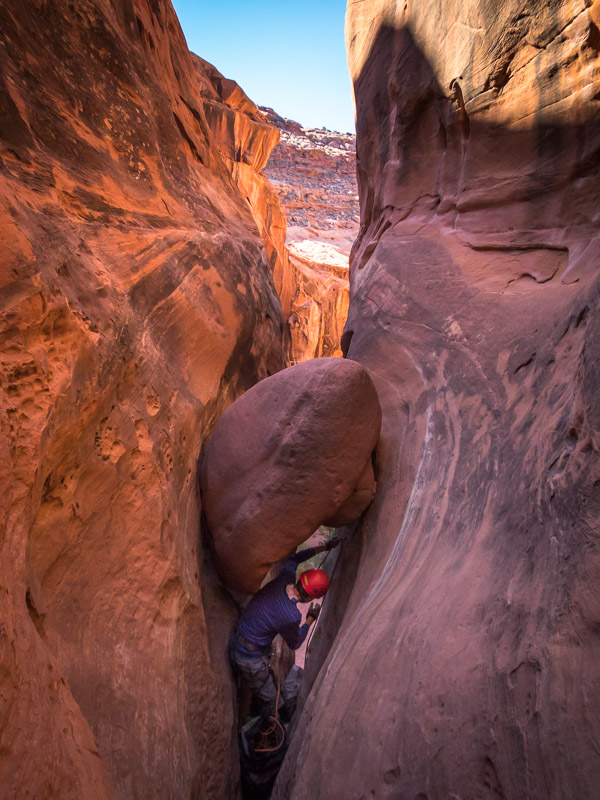
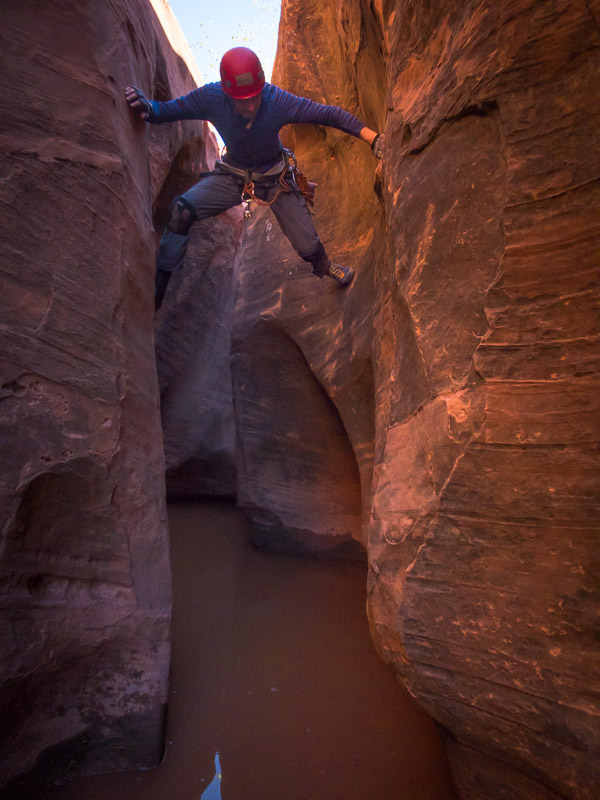
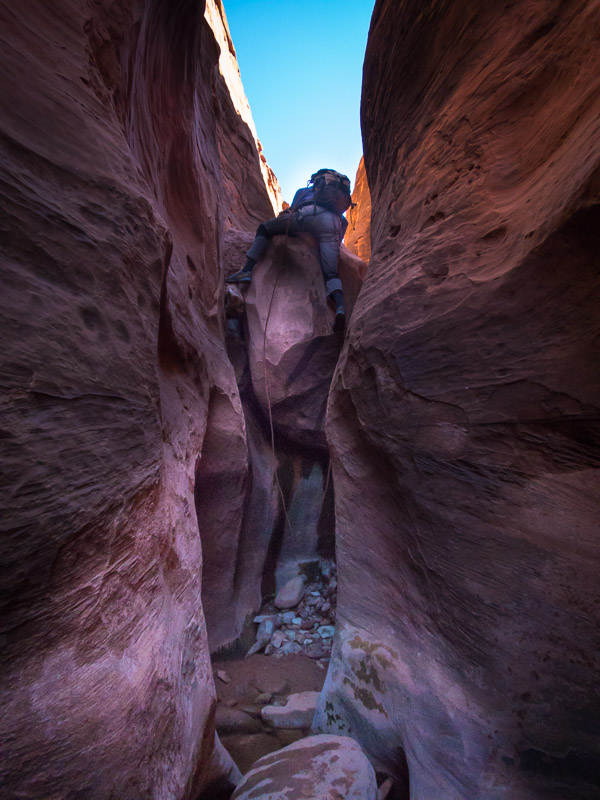
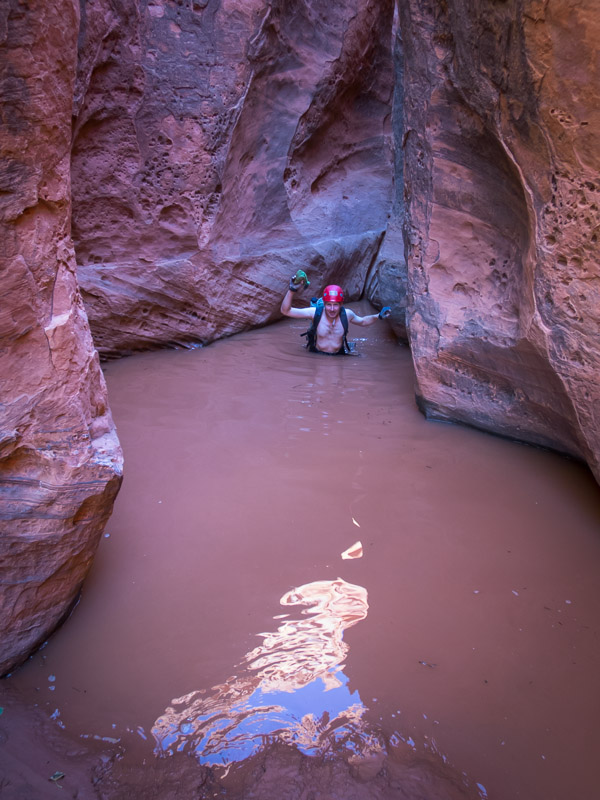
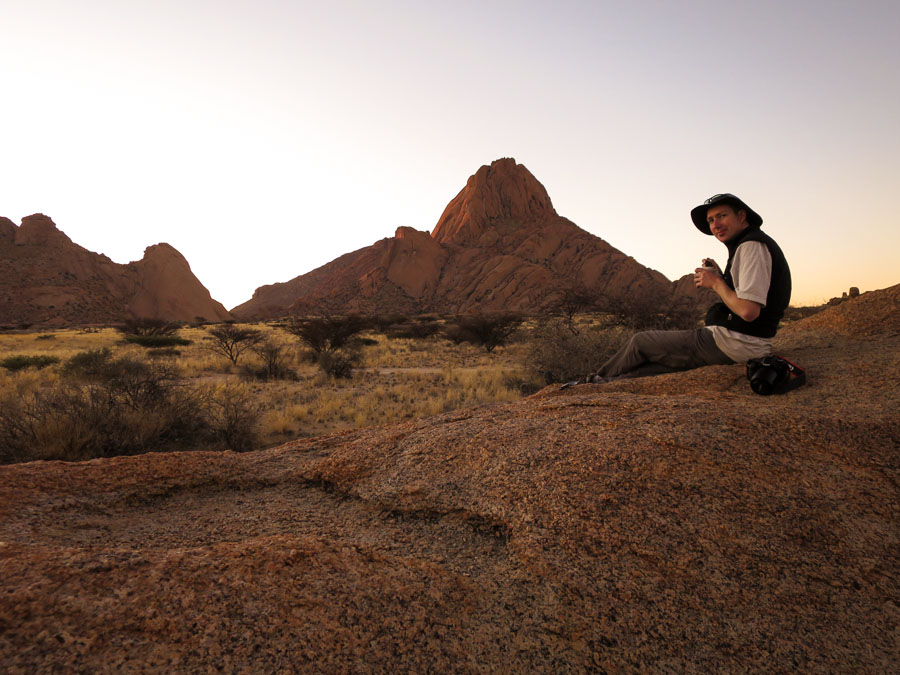
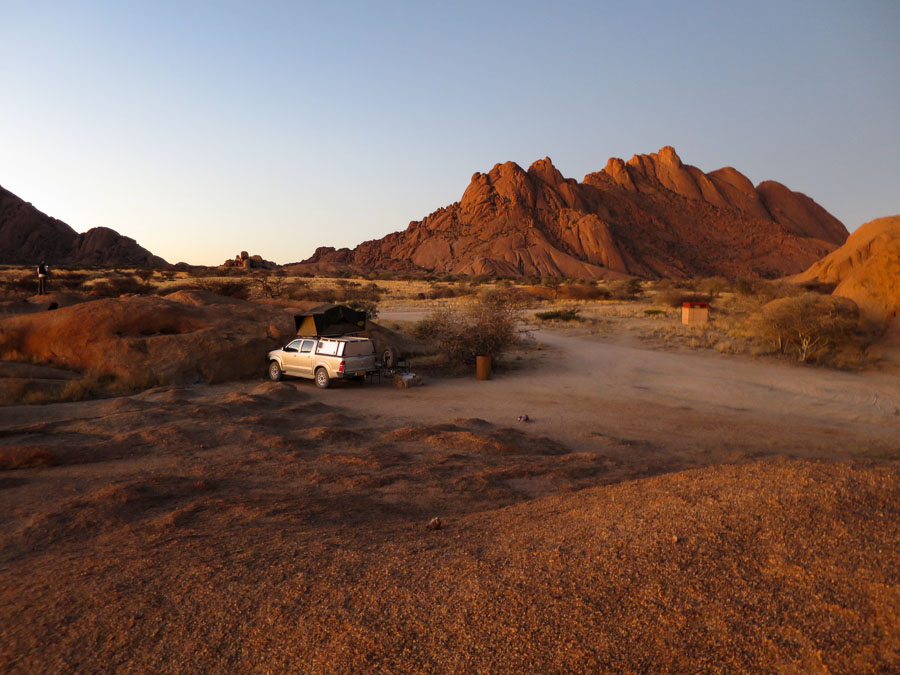
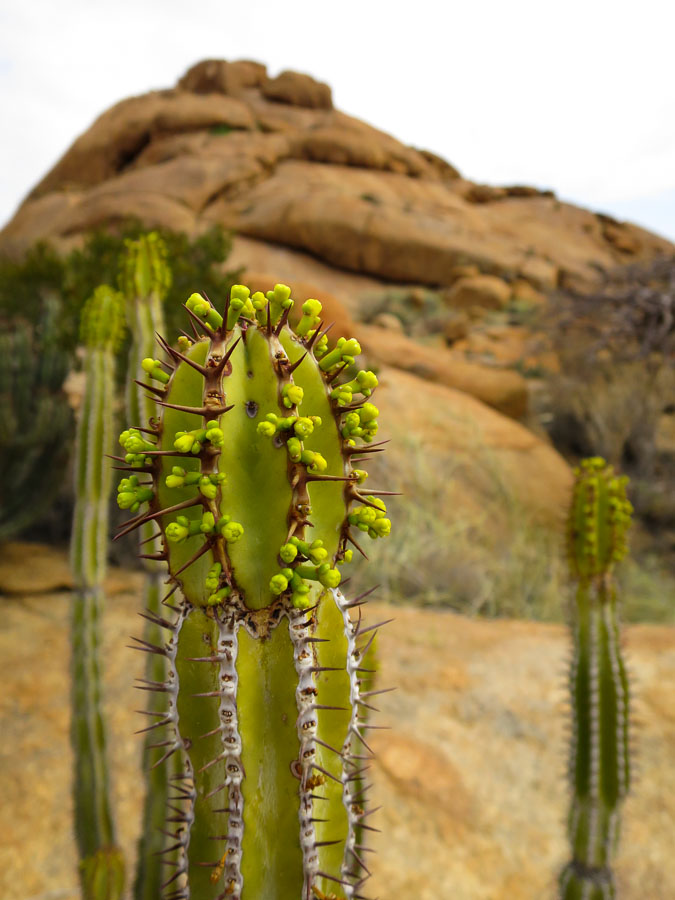
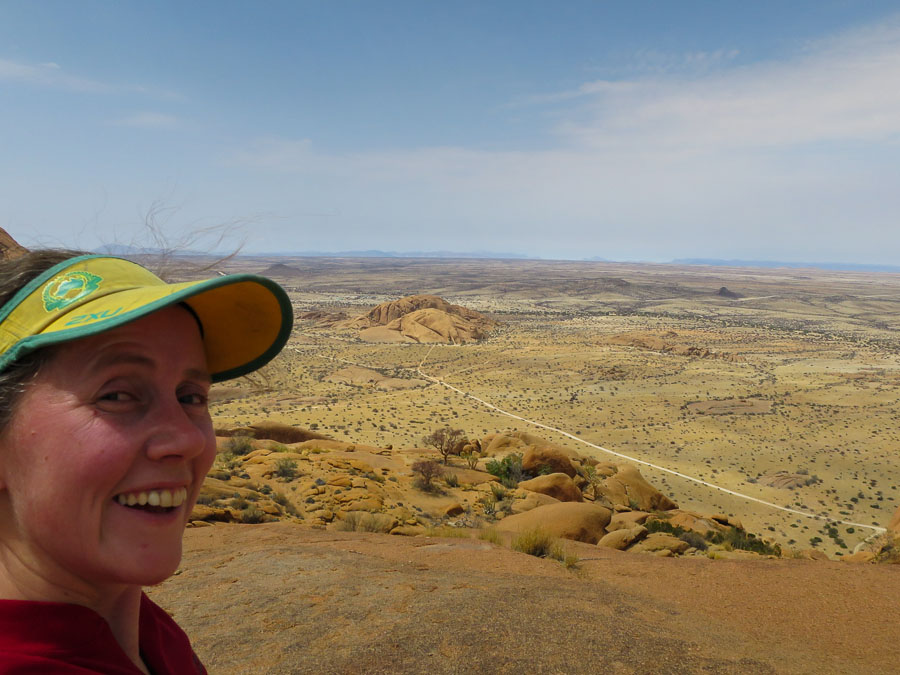
Bolivia Salt Flats & Altiplano – Oct 2025

After being collected from our overnight bus we were glad to get some make-shift breakfast in the form of tea and crackers at the tour company’s office. I had a bit of a nap on the couch in the reception and then after handing over the wad of US Dollars that had been burning a hole in my pocket for the previous few weeks we were off. We had chosen to do a private tour (rather than being squeezed in with some random backpackers) for 3 days/2 nights to the Bolivian Salt Flats and Altiplano ending up in San Pedro de Atacama.

We decided to roll the dice with just a Spanish-speaking driver – hoping with almost 7 weeks in South America under our belts we’d have got our Spanish to a point where we’d be ok. Well, I’m not sure we’d improved our Spanish at all as we’d not really been forced to use it up to this point (in fact it was probably worse than when we left Australia!). Willy, our driver, was great and with the help of google translate we muddled through.

Before we left the office we were presented with a snack bag each, which unfortunately I didn’t photograph. However, it was stuffed with snacks and they kept us going for the next 2.5 months! I think the final ones being eaten just before we got on the plane to go home.

The first day was packed with action, starting with a visit to the train cemetery. When the mining industry collapsed in the 1940s the need for these train lines went with it. Instead of removing the trains they were just left to erode in the desert.

Train cemetery

From there we headed to the Colchani community where a lot of the salt processing is done. This wasn’t really our scene since it was primarily an opportunity to buy souvenirs – they were quite unique – large sculptures of flamingos made out of salt etc. There’s many different tour operators and they largely follow the same stops so the whole main street was just packed with 4WDs leaving me dreading what was to come.

Piles of 4WDs en route to the salt flats

Fortunately it seemed once we got onto the salt flats then the 4WDs were less clustered. Maybe since we were doing a 3 day trip rather than a 1 day trip our itinerary left the day trippers behind? One of the more interesting places for me was a spot where the water bubbled up through the salt crust.

Water bubbling up to the surface

We had lunch in the middle of the salt flats – it was great to have a proper meal. With the two overnight buses and the travel over the previous 3 days we’d eaten pretty erratically. Sadly since we were back at altitude (and sick) we weren’t indulging in any of the drinks laid out for us.

Nothingness

Lunch – definitely want the sunnies!

Post lunch we drove to one of the ‘islands’ within the salt flats which was covered with millenary cactus. We climbed to the top of the hill for amazing views. Many of the cacti were in flower.

Cactus island

Tom’s favourite – valley cloud. Oh wait that’s not cloud

The final stop for the day was a museum and some mummies. We definitely missed a bit at the museum not having an English-speaking guide but it was still very interesting.

Statues and mountains

Alpaca & Tom

We were excited to get to our accommodation and find we had vistas over the salt flats, and llamas grazing outside the windows. But our adventuring wasn’t over for the day – we drove back out onto the salt flats for sunset – unfortunately it was pretty cold and windy so we didn’t linger too long out there.

Views from our accommodation on night 1

Sundowners

Sundowners

There were three couples staying at our hotel, and we each got a table with a different triple candlestick holder, and no other light in the dining room. Tom and I had a solid wood candlestick holder so we could have played battleships as we couldn’t see anything on the other side of the table!

Dinner with a vampire?

Unfortunately my sore throat/lurgy had settled into a persistent cough, which meant not much sleep. At least we weren’t really hiking! Day 2 of the tour had us at Isla Incahuasi when it opened – as we were so early we were the only ones there. It was amazingly quiet. It was similar to the island we’d visited the day before except this one has been commercialised so we had to cough up an entry fee.

Then it was time for the photos which the saltflats are famous for – perspective photos. Fortunately Willy was all over the props and how to take the photos (though as it turns out my fiddling the night before with the llama keyring had turned out ok).

Encounters with the wildlife

Down the rabbit hole (incidentally my legs were burning by the time we’d got this photo right as I had to stay in a deep squat for quite a long time!)

Squishing bugs

This time we had lunch at a restaurant on the far side of the salt flats. Unfortunately we’d driven half an hour from the restaurant when Tom realised he’d left his camera on the seat, so we had an hour round trip to go back and retrieve it. I assume that meant we missed out on a stop (Quinoa Museum??) but I’m not sure. Either way, we had a long drive for the rest of the afternoon climbing up to Laguna Hedionda and our hotel at 4,215m.

Cushion plant

We had more wonderful views from our room – which was great as it was not warm! Once we’d warmed up and soothed our throats with some tea, we rugged up and wandered along the lake shore to check out the flamingos. We were very happy to retreat to the common room with a blazing fire after that!

View from accommodation on night 2

Flamingo

We had an early start, and unfortunately I started the day by unexpectedly vomiting up my breakfast. My sense of smell had become hyper-sensitised to unpleasant smells over  the previous few weeks and often had me gagging but this was the first (and only) time it went beyond that.

With the unpleasantness behind me, we headed out past various lagoons and then stopped to photograph vischachas. Once we got out the car they swarmed us, so clearly they are used to getting fed!

Vischacha

They are used to getting fed at this spot!

We also had a stop at Arbol de Piedro (stone tree), and wandered amongst the other rock formations. Then it was onto the main entry to Eduardo Avaroa Andean Fauna National Reserve and Laguna Colorada (Red Lagoon) with many flamingos. We were given 40 minutes to wander the lake shore but at 4,278m it was a struggle (and very cold)!

Flamingos at Laguna Colorada 4,278m

Our lunch spot was in a restaurant by the hot springs, which I would have liked to go in, but I was coughing so much it seemed that it would be a bit anti-social (and probably not great for my chest to be in my swimmers in the cold temperatures). Post lunch we drove through the desert de Salvador Dali (so called as the landscape is somewhat surrealist), Laguna Verde and Laguna Blanco.

Next minute we were at the Bolivian-Chilean border. Willy helped us through the Bolivian side – with no signs of any ‘shakedown’ which the internet warned of. We met up with our Chilean driver in no man’s land and transferred into his van. He assisted us through the very serious Chilean formalities – made sure I didn’t do anything dreadful like have my phone visible in the immigration office! We were pretty relieved that Tom got in with no issues – the requirement for Australians to have a visa had been removed only a few weeks before our arrival and until that happened the visa process had been causing us a bit of stress.

From there it was a straight and fast descent from 4,200m down to 2,400m and the town of San Pedro de Atacama. We’d only added this tour into the itinerary as there was no simple way to get from Cusco to San Pedro de Atacama, so pleasingly it ended up being something of a highlight (would have been better if we hadn’t sick of course).

Cusco to La Paz – Oct 2025

With our late return to Cusco from Machu Picchu, along with the lack of dinner, we were very happy that breakfast was included at our accommodation in Cusco. The breakfast room had a lovely view over the city and we took our time the next morning. On the other hand our accommodation was right next door to the Cathedral and the bells were ringing from 5:30am in the morning, every half an hour! Unfortunately we both had sore throats so not much energy for exploring Cusco – besides it was the day after a multi-day hike – definitely a rest day!

The next day we plodded up to Sasquewaman – we might have been “used” to altitude but it was still hard work getting up to 3,800m. Tom continued to make use of his tourist ticket that afternoon, but I slept and hoped to shake my lurgy.

Part of the Sasquewaman archaeological site

That evening was our first overnight bus of the trip – we left Cusco around 10pm and got into Puno at 5am. We had a buffet breakfast at the stop and then we’d elected to go on a tour to the Floating Islands on Lake Titicaca. It was interesting to see how the islands are created, though we had to awkwardly go through the residents trying to sell us handicrafts.

Cross section of a Floating Island

Then it was back to the bus and onwards to the Peru-Bolivia border. It was all very straight-forward, and we were able to change some money (in retrospect I should have changed more as the rates were reasonable).

Welcome to Bolivia!

Next stop Copacabana (no, not the famous beach in Brazil) for lunch. Apparently we were eating at one of the best restaurants in town – if so, then I shudder to think what the others were serving. Then our second boat tour of the day, this time to Isla del Sol where we did a one hour hike along a small section of the island. I’m not sure who stuffed up but we had to go back and collect 3 women who hadn’t been on the boat on the way out. That meant we were running quite late by the time we returned to town and had to hot foot it back to the bus.

We were on different buses for the section from Copacabana to La Paz, unfortunately they were far less comfortable. The suspension seemed minimal, probably not helped by us being at the back due to our late arrival from the boat tour, along with the road being quite bumpy. Surprisingly we got our third boat trip on Lake Titicaca for the day. The bus needed to cross a narrow section of the lake on a barge that was big enough to take a bus and not much else. The passengers all had to pile off and squeeze onto small boats before rejoining the bus – it was after dark by this point so it all felt pretty dodgy, especially when one of the small boats motors smelt like it was going to catch on fire!

Anyway, we all survived and ended up back on the correct bus (there were 3). We made it into La Paz at 9:30pm, where the bus company organised a taxi to take us to our AirBnB. We only had a few minutes hanging out on the streets before our AirBnB host arrived to let us into the apartment – but long enough that we attracted a bit of attention and concern as to whether we needed help.

The next day we spent a frustrating couple of hours trying to find a cambio (money changer) that would give us a decent rate [hence my earlier comment about wishing we’d just changed all the BOB we needed at the border]. Having walked half way across town we eventually did so then we had cash to pay for breakfast. Tom got his haircut by someone else for the first time since the early 2000s for the princely sum of 20Bs (A$2.50).

Haircut in La Paz

We spent the rest of the afternoon riding the telefricos over the city, before embarking on another overnight bus trip that night. [As a side night, it was really helpful to book 2 nights of accommodation even though we weren’t staying the second night so that we had somewhere to hang out before the late night bus departure].

Riding the cable cars of La Paz

We got into Uyuni about 7am, and our guide for the next leg of the trip was waiting at the bus station.

NSW-SA-Vic Roadtrip (29 May – 17 Jun 2025)

Day 1: Sydney to Mudgee (Driving: 276km / 3h 45m)

We left home at 6:45pm in the end. Roads were not on our side. Crashes on the M7 & Richmond Road meant we took the main line. But then Victoria Pass was closed from 8pm, and with us arriving at 8:30pm… detour via Darling Causeway. Coffees at McDonalds in Lithgow fuelled us to Mudgee at 10:30ish. Paragon Hotel (pub) was a perfectly acceptable overnight stop. Though for no particular reason I didn’t sleep much.

Day 2: Mudgee to Dry Tank Campground, Gundabooka NP (Driving: 580km / 6h 30m)

Left Mudgee at 6am. Breakfast in Dubbo. Finding an open public toilet – fail. Pushed on to Nyngan, home of the Big Bogan, for coffee. Had a Sydney-acceptable quality coffee at Gundog Espresso. Then photos with the Big Bogan – Tom appropriately dressed in his flannelette Bulldogs pants.

Excellent coffee in Nyngan

Not sure this needs a caption!

Big Bogans

The volume of goats on the side of the road was surprising. Assuming that they aren’t all just hanging out on the roadside, there must be thousands of them roaming Western NSW.

Lunch in Bourke on the bank of the Darling River. With good timing, the paddlesteamer PV Jandra had just re-started operating that day, and with a 2:30pm trip it worked well. The hour trip was enjoyable (paddleboats are slow) and there were a lot of birds out.

PV Jandra, Bourke

Immediately we hit the road, with another hour and a bit (Google was a bit off in estimating the dirt road section) to Dry Tank Campground, Gundabooka NP. Fortunately there were less goats on the side of the dirt road. We appeared to be 1 of 2 parties at the campground. The other party – Mike – came back from the Little Mountain walk after dark and came over to say hi.

Day 3: Gundabooka NP (Driving: 0km / none)

I slept 11 hours! We’d agreed to go cross-country from the end of the Little Mountain track to Mt Gunderbooka (note different spelling) rather than having to drive half an hour to the Valley of the Eagles trailhead. After all this was supposed to be good rogaining country.

Camp at Dry Tank Campground

Rogaine time!

The going was pretty good, though there were some slow sections on the long spur we took to Mt Gunderbooka.

Fences weren’t on the rogaining map

Morning tea views

Mt Gunderbooka summit

The moment of truth at the Mt Gunderbooka summit – would there be a navlight at the top? (as expected per a couple of sources), and would the keys we had unlock it? Success on both fronts. We bumped into Mike again and ate lunch together.

Final control from the ill-fated Gundabooka Rogaine finally retrieved!

Valley of the Eagles descent

We headed down the standard Valley of the Eagles track and then went cross-country again. This section was more tedious and while we visited a couple of control sites we were both well and truly ready for it to be over by the time we got back to camp at 4pm. The GPS said 22km so no wonder we were a bit tired!

Day 4: Dry Tank Campground, Gundabooka NP to Homestead Creek Campground, Mutawintji NP (Driving: 665km / 7h)

Another long day of driving. We got up at 6:15 and were on the road by 6:45am. Made it to Cobar by 8:20am where we had breakfast at the Newy Reservoir. Lots of birds about. Then 255km (2h20) of driving (me) to Wilcannia. We got petrol (again) and replenished the missing brie supplies (left in the fridge at home) before heading on for another hour (Tom) to White Cliffs.

White Cliffs traffic

We had lunch then checked out the Visitor’s Centre and an opal store. Service too slow to stop for coffee, when we didn’t know if Google’s estimate of 2 hours was accurate or not. As it turned out – not too bad about 2h 10. Got to Homestead Creek Campground at 4pm.

Homestead Creek campground

Day 5: Mutawintji NP (Driving: 0km / 0)

Rained overnight a little bit, and was gloomy when we got up. Another camper came to tell us there was rain in the forecast in case that affected our plans. But we were comfortable since the amount forecast was 0-2mm. We headed off to do 4 walks in 1 – very confusingly written up on the National Parks website. Started with the big loop (Bynguano Range – or is it Byngnano?) in the opposite direction to the way we were meant to go. Heavier rain had us sheltering in an overhang for a few minutes. Got excited as the old sign board had something about ropes we needed to climb. But we passed where we thought they were meant to be with nothing resembling a scramble.

Surprise, surprise, we found a canyon

Later on we did have a small scramble where there were hefty ropes in place (largely unnecessary).

(ignored) Rope ascent

Bynguano Range Track

Had morning tea on the tops admiring the country – which was surprisingly interesting – a bit Utah-esque. The Bynguano Range track was actually very enjoyable – not what we had anticipated. We’d started with it thinking we’d get the ‘boring’ bit over first.

Pools from the morning rain

Then we descended and headed up Homestead Gorge, needing to do a high bypass to get around a waterhole since the rock was all slick from the rain.

Trying to get up Homestead Gorge (we bypassed high on the true right)

Turn around point in Homestead Gorge

Canyon!

Then we did the rockholes/rockart loop (one name on the signboard, another on the website!?) where we had a high, early lunch. Back at camp by 1:30ish.

Rockholes loop – would be interesting trying to get water out of these pools

Back at camp I managed to use some dental floss to reattach a plastic cover on the undercarriage of the car which was half way to falling off. We headed off on the Western Ridge loop at 3pm. Given it had been spitting and was still overcast we weren’t expecting much from sunset. It was a pretty boring walk, and sadly there was a hole in the fence so the goats were all through the area. Maybe better light would have improved it!?

Western Ridge walk

Day 6: Homestead Creek Campground, Mutawintji NP to Broken Hill (Driving: 181km / 2h)

After breakfast and packing up, we drove round to the Mutawintji Gorge trailhead. A very flat easy walk in. The gorge itself was an impressive canyon – but full of manky water. We climbed around as much as we could but no temptation whatsoever to get in that water – plenty of dead goats and animal poo in it.

Can we get any further?

Of course we can!

Had morning tea back at the car and then headed to Broken Hill. Unfortunately it became clear as we drove the dirt road that there had been a lot more rain on the road than we’d had at the National Park. Some sections were very slushy and we went for a couple of uncontrolled slides in the mud. After a few of those I relinquished driving to Tom.

Inexplicably they were doing road works and watering/grading the road which didn’t help things. I was very happy when we finally got to the tarmac. We had a windy lunch in the park in the middle of Broken Hill and decided to go for comfort and got a motel room for the night. After resupplying we had a rushed visit to the Desert Park – cultural loop, flora loop, then a mad dash up the hill to see the sculptures at sunset.

I tried to book Grindells Hut for when we were planning to be in the Gammon Ranges only to find it (and every other campground I looked at on the South Australia National Parks website) booked out for the King’s Birthday long weekend. That put a massive hole in our plans, and I was so cranky with myself for not booking it earlier. I spent the rest of the evening (and most of the night) trying to come up with alternatives. Added to that Tom had not read the quarantine stuff carefully so we’d bought fruit & veg which would not be allowed across the SA border. It was not a relaxing evening!

Living Desert Sculptures at sunset, Tom taking the ‘classic’ photo

Day 7: Broken Hill to Marree Hotel (Driving: 715km / 7h30m)

We had an early start, though given the light probably could have been earlier. Had breakfast wraps (to eat our tomato & avocado that couldn’t cross the border), in the freezing wind, at the Manna Hill rest area. Then stopped just before the border to eat apples and the remainder of our avocado. Ended up handing in 1 tomato, 1 apple, 1 zucchini & a lemon. Restocked in Peterborough, and discovered that all the campgrounds were no longer full (WTH? some kind of mass block on everything the night before!?)… so booked Grindells Hut for 5 nights. So much stress for nothing.

We then drove through to Hawker for coffee and a quiche for lunch. Then the final 3 hour push to Marree (swapping drivers half way). 7.5 hours of driving. Phew. Turned out the Marree Hotel no longer does free camping, unless you’re fully self-contained (i.e. have a toilet), so after much deliberation we ended up getting a cabin for the 2 nights. Had a wander around ‘town’ – nice sunset from the now defunct train platform.

The old Marree Station platform at sunset

Day 8: Marree to Marree Airstrip (Driving: 3km / 6 minutes)

Since we didn’t have to be at the airstrip till 9:15 we had a leisurely start to the day. It had been a cold night – even inside. 10 of the 12 of us were at the airstrip at 9:15 for our 9:45 departure. One couple was late and they said 1) they’d been told 9:30 and 2) had got lost!? (there’s like 2 streets in Marree).

Plane being readied for our flight

Anyway, Tom & I scored the back seat of the Cessna Caravan, which was kind of like having the back seat of the bus – extra wide, lots of leg room and effectively two windows each. My theory was we were allocated there because we had the combined lowest weight of the couples on the plane.

Prime back seat of the plane

The flight up was really good – Marree Man, Lake Eyre South – which was empty so salt pan, Lake Eyre North – full. Then following the Warburton Creek, seeing some pelicans, before eventually arriving in Birdsville for lunch.

Marree Man & Lake Eyre South

Lake Eyre South (salt pan)

Lake Eyre North (water)

Ground features

Flood waters

Flood waters (blue sky the closer we got to Queensland)

Green after the flooding

“Big red” dune just outside of Birdsville – 4WDers bucket list

We had lunch at the iconic Birdsville Hotel then 1.5hours to wander about town. Wished we’d bought the fly headnets!

Looking for birds in Birdsville

Can’t believe we didn’t get to Betoota

Birdsville Hotel & a million flies

The flight back was quite hot and hard to top the morning. We went past the Coongie Lakes and then followed Cooper Creek to where the flood waters had got to. Seemed hard to imagine they would keep flowing enough to get to Lake Eyre but the pilot was confident it would. Landed in Marree at 5pm – so a full day. Glad we weren’t trying to go anywhere after that.

The head of the slowly moving flood waters in Cooper Creek

Flood waters in Cooper Creek – lots of lakes to fill on the way

The plan was to go to Grindells Hut the next day but Tom had done something to his big toe earlier in the trip and wasn’t sure about our multi-day walking plans. So then we had to go through the whole deliberation of what to do all over again. Decided to go to Arkaroola instead for a couple of days to test the toe out with some day walks.

Day 9: Marree to Arkaroola (Driving: 254km / 3h30m)

Didn’t have a particularly early start. It had rained overnight (0.4mm), and continued to drizzle as we drove back to Leigh Creek. We saw 6 wedge-tailed eagles sitting on posts/trees on the side of the road. Not good flying conditions

By the time we got to Leigh Creek there’d been enough rain I didn’t want to drive on the dirt (scarred from Broken Hill). Went to the Sassy Emu Cafe – what a delight – for excellent coffee, scones and to discuss options (yet again). There were no good ones, with it being the start of the long weekend, and poor weather everywhere. So, for lack of a better option, eventually decided to give the dirt a go.

The Sassy Emu in Leigh Creek – eclectic decor and excellent coffee!

The dirt turned out to be fine and we got to the Gammon Ranges Parks office about 1:30pm but no ranger to be found. So pushed on to Arkaroola for a late lunch once we’d chosen a ‘bush’ camp site. In actuality just a site on the side of the drive in road – but at least not in the sparse caravan park.  Walked up the Spriggina Track to the telescopes then back down. The fly nets got a work out – fortunately by the evening the flies had gone to bed. We went to the rock wallaby feeding, which Arkaroola does each evening, got a good view of lots of yellow-footed rock wallabies.

Spriggina Lookout

Prickly Fan Flower (Scaevola spinescens)

“Bush” Camp at Arkaroola

Day 10: Arkaroola (Driving: 22km / 45m)

In the morning we got a transfer down the road to do the Acacia Ridge through walk. Saw lots of wedge-tailed eagles. Views from the top were great. Met another walker there who had popped a tyre trying to get into Grindells Hut so were at Arkaroola getting their tyre fixed. We then headed down the other side and back to the visitor centre.

Acacia Ridge summit

Views from Acacia Ridge

As we were walking back to our campsite this van stopped as it was going past us, and the driver hopped out and started marching towards us. I was wondering who the crazy person was. It took me a while to recognise John H (my coach from WUGC 2016) – who had fortunately recognised me! He & his partner Hannah had just finished several days in the Gammon Ranges doing largely what we had planned, so we could get beta on the water situation. It sounded amazing and made me even keener to do it. We chatted for a bit and sorted him out with $2 coins so they could do laundry. In exchange we got half melted Golden Gaytimes from John’s van freezer – best Gaytimes ever 🙂

Laundry money barter system

After lunch we drove 10km to do the Bararranna Gorge Walk.

Rock strata on Bararranna Gorge Walk

Bararranna Gorge Walk

The walk was ok, but Tom’s toe was feeling it by the end of it. It seemed if he couldn’t get through day walks then multi-day walking, lugging large amounts of water, was not really an option. I was bitterly disappointed after so much planning, travel and effort, and knowing there was water in the rock holes, to not be heading into the Gammon Ranges.

Day 11: Arkaroola to Chambers Gorge (Driving: 109km / 1h40m)

There was more rain overnight (!). We did the Griselda Hill walk before heading off, which was probably my favourite of the trip. We saw lots of rock wallabies at the top and it was quite scrambly to get to the summit ridge.

Rock wallaby on Griselda Hill

Tom on Griselda Hill

Tom on Griselda Hill with Arkaroola in the background

Left Arkaroola at 11:30am and headed to Chambers Gorge which is meant to be a 4WD road but Tom thought we’d be able to get in. More rain on the drive. Got there, after many corrugations, and it was exceedingly windy so we ate lunch in car. Drove to end of road, visited petroglyph site in the side gorge and then walked a fair way down the main gorge.

Mount Chambers Gorge rock etchings

Mount Chambers Gorge

Everywhere we’d gone we’d seen lots of goats and this was no exception. However, we almost brought one home with us. A kid was bleating mournfully and I jokingly bleated back. This brought the kid to us, and it followed us up the gorge for a few minutes. Fortunately not all the way back to the car!

Lost kid followed us up the gorge for a while

It was still very windy, so we drove back up the road to the other camping area and sat in the car for a couple of hours reading out of the wind. The wind did eventually die off, so we could have soup/dinner/tea outside without it being horrendous.

Day 12: Chambers Gorge to Angorichina (Driving: 86km / 1h40m)

The wind died off completely overnight, and it was a pleasant (if chilly) morning. After packing up we walked up to the Mount Chambers summit.

Early morning light on Mount Chambers

Views from Mount Chambers

Mount Chambers summit

Back at the car mid morning, I needed to do some more dental floss repairs to hold up the car undercarriage that was falling off. I wasn’t confident it would last given the vigorous corrugations on the Mount Chambers road.

We got to the Blinman Pools trailhead about 12:40pm and were a bit surprised to read the sign saying it was a 5 hour walk. Given the time of year that would have us getting back after dark – so we ummed and ahhed briefly about whether to wait till the next morning but in the end decided to go for it. Checking the information I’d researched pre-walk, it said 3 hours – we hoped so.

We were surprised to find pools of running water very early on – since the walk is supposed to be about getting to “first pool” and “second pool”. In actuality, there were many, much nicer, pools before we got to the designated “first pool” which was pretty skanky.

Blinman Pools walk

Given our time pressure we had put off having lunch until we got to First Pool so we knew whether we were up against the time. It had only taken just over an hour to get there so we figured we were going to get back before dark.

There were many goats everywhere – I think we saw over 100 over the course of the walk.

The “First” Pool on Blinman Pools walk

Blinman Pools walk

We couldn’t be bothered driving anywhere else so stayed at the Angorichina Tourist Village – enjoying a shower, and using the gas stove (our camping stove had been struggling to perform in the cold conditions).

Day 13: Angorichina to Wilpena Pound (Driving: 135km / 2h)

There was a heavy dew overnight leaving the tent saturated – not something we’d had to deal with up to this point on the trip!

Early morning light on the hills behind camp

We had a wedge-tailed eagle fly in front of the car, and then sit on the side of the road next to us. Unfortunately my camera was fogged up so I couldn’t get a photo – but I’d unfogged it by the time we went round a few more corners and found this emu.

Nonplussed emu

Plans from this point had been very vague as we hadn’t known how long we would have available to us. We headed to the bakery/cafe, and most importantly mobile reception, in Blinman to make some plans. After indulging in multiple coffees and various quandong bakery items we eventually hit the road for Wilpena Pound. In perhaps not the most efficient plan, after setting up the tent so it could dry, we drove out to Rawnsley Bluff. Once again we were faced with a sign saying 5 hours, and us starting with less than 5 hours till dark.

Rawnsley Bluff walk

It had been quite a pleasant morning but by the time we got up to the Wilpena View for lunch the cloud had rolled in.

Wilpena view on Rawnsley Bluff walk

Rawnsley Bluff survey cairn – constructed 1858!

The track was marked by yellow/white painting on the rocks. And in some sections all the loose rocks had been gathered into piles – not sure why – just to make the walking easier?

Heading back down – note the trail markers, and pile of rocks

Unique markers

Unsurprisingly we were back at the car before dark, though didn’t make it back to camp much before dark. It was a very cold night, and I’m sure the man camped next to us who offered to share his fire thought we were crazy when we didn’t take him up on his offer.

Day 14: Wilpena Pound to Quorn (Driving: 147km / 2h)

Wilpena Pound was the first place on the trip we’d been to previously – back in 2005! I’d been checking the photos from that trip and found a photo of me with a curious kangaroo (with joey) taken at the same campground – so it seemed apt when a bold kangaroo (with joey) came round in the morning. It was not interested in being scared off – in fact more incredulous that we weren’t going to feed it anything.

2005 Wilpena Pound campground visitor – clearly much warmer in May 2005!

2025 – Far too comfortable around humans

Felt like doing a bit of rolling?

When we’d visited Wilpena Pound in 2005 I didn’t feel like going up Mt Ohlssen Bagge when Tom did it. So it would be a first time walk for me – but not for Tom. We passed a group of 13-14 year old school girls on our way up (one of them was struggling big time). Unsurprisingly they hadn’t made it to the top by the time we were on our way down again.

On our way up Mt Ohlssen Bagge

Nothing’s changed right!? (by coincidence the t-shirt Tom’s wearing was from 2005 National Champs – the reason we were on the 2005 road trip)

A much younger Tom in the same spot in 2005!

Proof we were both on Mt Ohlssen Bagge this time

We passed the girls again on our way down. I think they were astounded old people could be so fast, “You did really well” they told us as we went past… Ah, to be young again.

From there we headed to Quorn and to the Devils Peak. It was cold and windy and I wasn’t looking forward to having lunch on top – but fortunately we found a spot in the sun and somewhat out of the wind.

Scrambling on Devils Peak

Going up to the Devils Peak summit

Views from Devils Peak (cold & windy!)

We were delighted to find Scruffy Fella cafe in Quorn which did an excellent coffee, and many beard products (amongst other eclectic items).

Scruffy Fella in Quorn

It was full moon and Tom was keen to photograph it – but we were in a flat part of the world, and finding a spot with any elevation in Quorn was tricky. As it turned out, it didn’t matter as there was so much cloud on the horizon we didn’t see the moon till it was well up.

Waiting for full moonrise of the streets of Quorn

We settled in, with around 15 others, for the Quorn Silo light show. Everyone else cleared out after the films but we stuck around and made our dinner and watched the art display, before returning to the caravan park.

Silo light show

Cooking dinner

Day 15: Quorn to Clare Valley (Driving: 220km / 2h45m)

It was a lovely sunrise and we were just getting settled with hot drinks in the camp kitchen when Tom looked at the weather radar. A band of rain was on its way so we quickly packed up everything just before it arrived. That put paid to our plans to do the walk up Dutchmans Stern that morning.

Sunrise before the rain swept through

Instead we just headed for the Clare Valley – driving in the rain for much of the time. It was great news for farmers since 2025 was the driest on record (though they would like much more), following a dry 2024.

It seems every country town has silo art now days but the Eudunda Silos were particularly impressive.

Eudunda Silo Art

We were happy to exchange the cold and wet for some wine tasting in Clare.

Indoor activity time

Day 16: Clare Valley (Driving: 63km / 1h)

We had an excellent lunch at Pauletts (Bush DeVine Restaurant) – one of the best meals we’ve had in a long time.

DeVine lunch

Day 17: Clare Valley (Driving: 58km / 1h15m)

The rain that we’d brought everywhere on our trip arrived on our third day in the Clare. We had thought to hire bikes but with the rain decided against it. Instead we did the short Wymans Hike and a few more wineries (well Tom did, I did had an afternoon in bed with a book!).

Day 18: Clare Valley to Swan Hill (Driving: 607km / 6h45m)

With the weather making camping somewhat unpleasant we decided to fairly directly head for home rather than meander. This meant a long day of driving to get us to Swan Hill just after dark. The main highlight of the day was one of our top 3 coffees of the trip – while sitting in the sun (!!) – at Arrosto Coffee in Renmark.

The bugs in the last half an hour around sunset were full on – windscreen (and the front of the car) was covered in them. I should be glad that’s the only roadkill we hit.

Bug highway

Day 19: Swan Hill to Rutherglen (Driving: 368km / 4h15m)

We had a couple of brief stops in the morning. The first was at the largest Ibis Rookery in the Southern Hemisphere in Kerang – but wrong time of year for breeding. There were still quite a lot of water birds around though. The second stop was to climb Pyramid Hill, in Pyramid Hill. This was a find-your-own route to the top, scrambly, if short, adventure.

Pyramid Hill summit

We got into Rutherglen in the early afternoon with enough time to find some fortifieds to taste.

Rare tasting

We were fortunate to have friends willing to host us for the evening, and it was great to have some different people to talk to!

Rutherglen Silo Art

Day 20: Rutherglen to Sydney (Driving: 636km / 6h30m)

Surprise, surprise, it rained overnight. We headed home pretty directly, with brief stops in Gundagai and Gunning. Sydney was beautiful and sunny – why did we go away!?

Day Date Finish Driving Time Kilometres Cumulative
1 Thu 29/05/25 Mudgee 3h 45m 276 276
2 Fri 30/05/25 Gunderbooka NP 6h 30m 580 856
3 Sat 31/05/25 Gunderbooka NP 0 0 856
4 Sun 01/06/25 Mutawintji NP 7h 665 1521
5 Mon 02/06/25 Mutawintji NP 0 0 1521
6 Tue 03/06/25 Broken Hill 2h 181 1702
7 Wed 04/06/25 Marree 7h30m 715 2417
8 Thu 05/06/25 Marree 6 minutes 3 2420
9 Fri 06/06/25 Arkaroola 3h30m 254 2674
10 Sat 07/06/25 Arkaroola 45m 22 2696
11 Sun 08/06/25 Chambers Gorge 1h40m 109 2805
12 Mon 09/06/25 Angorichina 1h40m 86 2891
13 Tue 10/06/25 Wilpena Pound 2h 135 3026
14 Wed 11/06/25 Quorn 2h 147 3173
15 Thu 12/06/25 Clare Valley 2h45m 220 3393
16 Fri 13/06/25 Clare Valley 1h 63 3456
17 Sat 14/06/25 Clare Valley 1h15m 58 3514
18 Sun 15/06/25 Swan Hill 6h45m 607 4121
19 Mon 16/06/25 Rutherglen 4h15m 368 4489
20 Tue 17/06/25 Sydney 6h30m 636 5125

Utah/Colorado/Arizona/California (Sep/Oct 2024)

Tom & I spent four weeks in south-western USA primarily Utah, Colorado & Arizona. The main goal was canyoning but we ended up with quite a bit of hiking as well and even some via ferrata!

I have a list of things we learnt from across our 3 trips (2013/2017/2024) which might be helpful to any Australians planning a canyoning trip to Utah.

Day Date km Driving Time Overnight at…
0 Fri 6 Sep 10 Las Vegas, NV
1 Sat 7 Sep 300 3h 21 Watchman Campground (Zion NP), UT
2 Sun 8 Sep 156 2h 17 Lava Point Campground (Zion NP), UT
3 Mon 9 Sep 170 2h 16 Point Supreme Campground (Cedar Breaks NM), UT
4 Tue 10 Sep 107 2h 18 Panguitch Lake Campground (Dixie NF), UT
5 Wed 11 Sep 336 3h 27 Dispersed camping, UT
6 Thu 12 Sep 85 1h Green River, UT
7 Fri 13 Sep 185 2h 8 Dispersed camping, UT
8 Sat 14 Sep 0 0 Dispersed camping, UT
9 Sun 15 Sep 186 2h 45 Green River, UT
10 Mon 16 Sep 210 1h 56 Grand Junction, CO
11 Tue 17 Sep 141 2h 1 South Rim Campground (Black Canyon of the Gunnison NP), CO
12 Wed 18 Sep 119 2h 12 Amphitheater Campground (Uncompaghre SF), CO
13 Thu 19 Sep 11 23m Amphitheater Campground (Uncompaghre SF), CO
14 Fri 20 Sep 12 27m Amphitheater Campground (Uncompaghre SF), CO
15 Sat 21 Sep 120 1h 44 Friend’s place, CO
16 Sun 22 Sep 142 2h 27 Morefield Campground (Mesa Verde NP), CO
17 Mon 23 Sep 440 4h 43 White House Campsite (Grand Staircase-Escalante NM / Vermilion Cliffs NM), UT
18 Tue 24 Sep 205 2h 20 Big Water, UT
19 Wed 25 Sep 27 20m Buckskin Gulch, UT
20 Thu 26 Sep 270 2h 51 Flagstaff, AZ
21 Fri 27 Sep 72 1h 6 Flagstaff, AZ
22 Sat 28 Sep 12 20m Flagstaff, AZ
23 Sun 29 Sep 190 2h 15 Christopher Creek Campground, AZ
24 Mon 30 Sep 393 4h 53 Tucson, AZ
25 Tue 1 Oct 237 2h 42 Ajo, AZ
26 Wed 2 Oct 453 4h 57 Blythe, CA
27 Thu 3 Oct 195 2h 22 Ryan Campground (Joshua Tree NP), CA
28 Fri 4 Oct 51 55m 29 Palms, CA
29 Sat 5 Oct 315 3h 30 Plane

Total – approx 5,150km
SW USA Part 7: Desert & Cacti

Continued from part 6

And so began our pattern for the next week – getting up well before sunrise so that we could get going in the cooler part of the day, before heading to a motel in the afternoon to cool down. We’d agreed, when we decided to stick with southern Arizona, that the only realistic way to handle the forecast heat was to spend more nights in motels rather than camping.

To give a sense of the heat, below is a graph of actual temperatures versus the long term averages for Tucson for the last 9 days of our trip. We obviously weren’t in Tucson for the entire 9 days but it’s representative of what was happening across much of Arizona and California. 8 of the 9 days were highest temperature records for that day of the year.

Getting from Christopher Creek to Saguaro National Park (Tucson) was one of our longest driving days. We took some scenic back roads, rather than the interstate around Phoenix.   We were excited to start setting saguaros pretty early on. After knocking off a couple of hours driving we had breakfast in Globe (and my second good coffee of the trip!). From there we pushed on to Tucson where we wound our way around the city to the eastern section of Saguaro National Park.

Saguaro National Park (East – Rincon Mountain District) (Arizona)

It was the middle of the day by the time we got there, and hot. We decided we could handle an hour’s walk and did the Mica View – Cactus Forest Trail loop before having lunch in the (shaded) picnic area. Can’t believe we were the only ones out there eating lunch in 40°C!

Saguaros are big!

Tom with a family of saguaros

We drove around the rest of that section of the park, having brief stops, before retreating to the air con at the Visitor Centre. After that I was done. We reversed much of our route around Tucson from earlier to a hotel I’d booked – mainly for the excellent reviews. It was lovely and particularly good value – perhaps because we had to walk up two flights of stairs? (Given the number of people at reception requesting a ground floor room I’m figuring many Americans wouldn’t have been happy with our room allocation) It was a welcome place to retreat from the heat for the rest of the day.

Saguaro National Park (West – Tucson Mountain District) (Arizona)

Another pre-dawn start had us arriving at Gates Pass for sunrise. Tom’s ankle was still a bit sore so he’d agreed to drop me off at a trailhead, after sunrise, so I could climb Wasson Peak. It was a 3-4 hour round trip and I was keen to get going as early as possible. The sunrise photography took longer than expected (as sunrise was better than expected!) so it was a bit later than expected that I started along the King Canyon trail. Even though it was only just after 7am it was already close to 30°C.

Sunrise from Gates Pass

At some point I missed a turn in the track and ended up on the top of a knoll with no track other than the one I’d arrived on. The sensible thing would have been to retrace my steps, but those who walk with me regularly would know that would be unlikely to be my choice! Instead I decided I’d be able pick up the trail after walking down the other side. Bad move. I compounded my error by continuing to walk in the direction I thought the track was, before finally consulting the map on my phone. It’s surprisingly hard to work out what direction you’re walking just from a dot on a map.

Eventually I realised the track wasn’t in the direction I expected and headed back towards it. Walking off-track in cactus country is difficult, particularly as I had to cross two gullies. Anything crumbly that you might slide down can potentially dump you in a world of pain. While I’d only erred about 200m I was very glad when I finally found myself back on the track!

If you look carefully you might be able to see what I think is an owl in the larger hole in the saguaro. Pygmy and elf owls nest in saguaros – the holes are created by gila woodpeckers.

Views from the Sweetwater section of the trail

Views over Tucson nearing the top of the ridge

The out and back ridge to Wasson Peak

Wasson Peak views (well, mainly me!)

I got up to Wasson Peak at 8:30am. I briefly enjoyed the views, but decided that getting down before it got too much hotter was the priority. The next section of track along the ridge (Hugh Norris Trail) was quite delightful.

Hugh Norris Track – lots of cacti!

The King Canyon – Sweetwater – Hugh Norris – Sendero Esperanza – Gould Mine Trail loop was a good one – I’d recommend it if you’re in the area. While I’d been walking Tom had done the driving loop of the western section of the park, and a short walk, fortunately finishing about the same time as me.

Saguaro

The number one thing to do in Tucson (at least according to TripAdvisor) is the Arizona-Sonora Desert Museum. So that was the next stop (and only 2 minutes drive away). More of a zoo/botanic gardens than a museum with many different reptiles, bird and mammals. It was hot work walking around but fortunately regular shade provided some relief. We had another solitary picnic at an outdoor picnic area before hitting the road to Ajo.

I had argued we would be able to suck up one night camping at Organ Pipe Cactus National Monument. That was before I’d seen the forecast for the two specific days we planned to be there. I quickly backtracked that opinion and booked us a motel in Ajo. The motel was lovely – an old school which had been converted into an accommodation & conference centre complex. Apparently staying there was a tourist thing to do in its own right? (Not sure that says too much for the things to do in Ajo!)

That night a storm raged around us – it didn’t bring a lot of rain but there was plenty of electrical action and Tom got some apocalyptic photos.

Organ Pipe Cactus National Monument (Arizona)

You guessed it… we had another early start heading to Organ Pipe Cactus National Monument for sunrise. The car said it was 80°F (27°C) when we left Ajo at 5:30am. Tom quickly raced up the Desert View Trail to get some elevation once we arrived. I followed at a more leisurely pace. Then it was time for the Ajo Mountain Drive – a 34km loop which had a few hikes along it.

Organ Pipe Cactus at sunrise

Saguaro – Tom – Organ Pipe Cactus at sunrise

Our first stop was the Arch Canyon trail – I was immediately suspicious as we could see the double-arch – the supposed highlight – from the car park. Given we weren’t planning on the 300m ascent once we got to the end of the formed trail I didn’t feel like we were going to get a better view than the one from the car park. This proved to be the case, but we did get to hear our first rattlesnake on the trail – not that we were sure that’s what it was at the time.

Signs on hikes always highlight the many dangers of daring to go outside. However, in this case the dangers were primarily illegal immigrants and smugglers who might have snuck across the Mexico border (<10km away). We should not approach anyone with a black water bottle – I was intrigued as to how that was a key identifier. That said, it isn’t really a joking matter – the Visitor Centre is named after a Ranger who was killed by drug smugglers.

Caution!

The double arches from the car park (the second one is very small and above the large one)

We didn’t see anyone (suspicious or otherwise), and so it was time for our next stop, Estes Canyon. We did the 6km Bull Pasture – Estes Canyon Loop. This led us to expansive views looking south to Mexico after a 250m climb. We thought we were leaving things a bit late in the day given the temperature, so we were quite surprised to encounter a group just setting off as we got back to the car at 10:30am.

Tom enjoying views of Mexico

We made it to Bull Pasture

The air con at the Visitor Centre was a pleasant respite. And the ranger confirmed what we’d heard was likely a rattlesnake. It was now too hot for anything fun so time for a long, hot drive to Blythe.

Why Blythe? Mainly because it was a reasonable location to break up the drive to Joshua Tree National Park. It’s just over the state border (the Colorado River) between Arizona-California. What I hadn’t realised was it was only 100m above sea level (possibly the lowest we’d been all trip) which exacerbated the hot temperatures.

But before we got to Blythe we had to go through an unexpected military roadblock. Given we had driven quite some way from OPCNM by this stage we weren’t expecting it. The officer was highly unimpressed that our passports weren’t within reach and that we’d have to get out of the car to get them from the back. In the end he decided the danger to himself from us getting out the car was higher than his need to see our paperwork so we got waved through – with a stern warning to have paperwork ready in future. How are you supposed to know that there’s going to be a border checkpoint 2 hours from the border!?

Much of the driving we’d done to this point had been on a relatively quiet roads, and the few Interstate roads we’d driven on hadn’t been that busy. This changed once we hit the I-10 which runs between Phoenix and Los Angeles. There was a truck every 50m in the right-lane, and then a truck trying to overtake multiple other trucks every couple of hundred metres in the left lane. I was very happy we’d changed drivers just before the I-10 and I wasn’t having to deal with the chaos. I’ve never seen a road like it. Imagine if all these containers could be transported by rail!
Eventually we made it into Blythe – the hottest location of our trip at 45°C. We quickly checked into our motel where we were warned not to take a shower until after 6:30pm as there wouldn’t be any cold water as the pipes were exposed to the sun.

Joshua Tree National Park (California)

The next morning we headed out, as usual in the dark, to get to Joshua Tree National Park around 7am. We did a couple of short hikes straight-up: Bajada Nature Trail, Mastodon Peak Loop followed by breakfast at Cottonwood Spring.

The ranger at the Visitor Centre warned us not to hike after 10am but the temperatures weren’t any worse (in fact maybe marginally cooler) than what we’d had for the last few days. But Joshua Tree National Park attracts the masses so they need to keep their messaging aimed at the lowest level of competence. The park is full of signs warning you “Do not die today”. They certainly get enough selfies taken with them – hopefully the message, which is about safely walking in the heat in the desert, also gets through.

Bajada Nature Trail

Mastodon Peak – surrounded by granite

We proceeded to visit the Cholla Cactus Garden (incredible), Arch Rock and Heart Rock (insta favourites), but we drew the line at Skull Rock after seeing the number of cars stopped to visit it.

Cholla Cactus Garden

Arch Rock (creatively named…)

Heart Rock (unsurprisingly a fav of the insta world)

I was pleased to find some shade at one of the picnic areas for lunch and then in the early afternoon we visited the climbing area Conan’s Corridor, where we were unsuccessful in scrambling up onto the highest boulders. But we were the only ones there! So for a park as popular as Joshua Tree that’s winning.

on the way to Conan’s Corridor

Deciding we’d knocked off enough in the heat we proceeded to Ryan Campground hoping we’d find shade there. The US National Park campgrounds generally have photos of the sites up on the booking page. I’d spent quite a lot of time looking at the photos before I’d booked our particular site – but that was a couple of months earlier – when I hadn’t been expecting 40°C temperatures! Fortunately my desire for a somewhat private site meant we had a large boulder that was casting shade so we had somewhere to hide for the afternoon.

Shady campsite at Ryan Campground

In the late afternoon we wandered out, then clambered up to Tombstone Rock – which I discovered afterwards was one of the classic grade 13 climbs in the park. If I’d known perhaps we’d have a packed a few quickdraws!

View from the base of Tombstone Rock towards Ryan Campground

Tombstone Rock – a classic grade 13 climb gets you to the top (we scrambled to the base)

Joshua Trees at sunset

Tom had hoped to do a bit of star photography since Joshua Tree (along with almost every National Park we’d been) claimed to be an International Dark Skies Park. We had mistakenly thought this meant it should have good stargazing, especially since this is promoted as a key attraction of Joshua Tree. However, the designation just means the park has policies to support appropriate night lighting, and to educate the public. And while it might be a good night sky compared to say, being in Los Angeles, it really wasn’t very dark. The glow from LA was ever present on the western horizon.

The next morning we’d planned to get up early (what!?) and hike up Ryan Mountain for sunrise. Some initial reluctance to get up was overcome when other cars started rolling out – one concern (excuse?) had been waking the other campers. It was pitch black when we started walking – because we were round the side of the mountain that blocked out the LA glow. It was well worth getting up for.

Early morning light from Ryan Mountain

Views from Ryan Mountain

On our way back to camp we hit up the “Hall of Horrors”. It’s an interesting spot as while there is a car park and big sign there is no explanation of the name or a map. If you randomly pulled over there you would just wander around some Joshua Trees and boulders – which are nice enough, but probably be quite confused as to why there is a huge car park.

Hall of Horrors is a climbing area. A couple of mini-slot canyons, that you can loop together, became insta-famous and the park has conceded to the popularity by putting up signage and the car park. But, they’re not helping you find it! You need to know the “secret” way to get to the slots (don’t worry a quick google search will reveal all). We had it to ourselves – if you don’t count a swarm of bees. Obviously compared to what we have done in Utah this was pretty tame.

With two things ticked off for the morning and the temperatures already up there we figured we may as well have breakfast. We finished off our Joshua Tree visit with a couple more short walks – the Hidden Valley trail and the nature trail by Cap Rock.

the “Hall of Horrors”

Oh my – so skinny!

Nature Trail loop with Cap Rock in the background

From there we headed out to 29 Palms and visited the Oasis of Mara and found some shade for an early lunch at Park Headquarters. To kill time and not melt before we could check into our motel we visited the Visitor Centre and then the ice cream parlour. Fortunately the ice cream parlour was not busy so we could sit there for a couple of hours without feeling guilty (except maybe for the “small” ice creams we had).

Our final overnight stop was at a motel that U2 had stayed at when getting photography done for their Joshua Tree Album – for what it’s worth 37 years later. More importantly in the present the motel did have a surprisingly cold swimming pool which was a welcome way to cool down, before the less appealing need to sort out all our stuff so we could have some hope of squeezing it into our bags to get on the plane the next day. We’d also managed to eat our way through most of the food we’d bought in Las Vegas at the start of the trip so that meant we could have a nice dinner out guilt-free.

Something besides air-con to cool us down!

Lovely meal out on our final night in the US (spot the hen’s party at the table behind us)

Our final day and our first sleep in for over a week? Of course I was awake anyway, so was pleased to find there was an excellent view of sunrise from the chairs outside our room.

Sunrise over 29 Palms from our motel room

Eventually we set off on the final drive of the trip – 3-4 hours back to Las Vegas a large section through Mojave National Preserve. It looked like there were a few interesting detours in the area but being slightly pressed for time (and hot, of course) we didn’t stop.

Frequently occurring road sign on our drive to Las Vegas

For some reason one of the chocolate producers in Las Vegas also had a cactus botanical gardens so we visited that, and got our free chocolate, before making our way to the airport. (As an aside, Las Vegas’ climate does not seem like the best location for chocolate making!)

We didn’t quite get through Tom’s full music collection. We had just started the Ys as were driving around Las Vegas. Some poor directing by me was just a ploy to drag out the driving time to see if we could get to the end – but we are left wondering if there were any songs starting with Z.

Tom hadn’t yet fully packed and getting everything balanced appropriately for weight & volume between our bags was proving challenging. Fortunately the airline staff member managed to magic up a third bag tag for us free of charge which alleviated a large amount of stress. And so then it was just one short (to LA) and one long and painful flight (to Sydney) before our US adventure was over.

Back to the main trip page

SW USA Part 6: Arizona Canyons

Continued from Part 5

We briefly stopped in at Lone Rock – in Lake Powell – before retracing our drive up and out of Page from a couple of days earlier. I can’t remember what letter of the alphabet the music was up to but it wasn’t enough to keep Tom alert and I got to take over driving duties much earlier than I expected.

That meant Tom was on accommodation booking and we ended up at a Motel 6 for a bargain basement price of US$50 for the night (the nearest camping was close to US$40). Tom did warn me it was close to the Interstate but as we drove in I thought it didn’t seem too bad. Except we soon discovered our room, understandably at the price, was round the back of the complex, with nothing but a couple of hundred metres separating us from the traffic. Neither of us slept particularly well, and so when the alarm went off pretty early, there was a brief conversation about ditching our ambitious plan for the day. But, with the amount of traffic noise, I figured we weren’t going back to sleep, so we may as well get up and go.

We headed to Illusions Canyon, a tributary of the West Fork of Oak Creek. We had finished our last US trip in Sedona and driven past this area. On that trip, we hadn’t given any thought to hiking Oak Creek – even though it’s apparently one of the most popular trails in the area – and definitely had no thoughts of canyons in the area.

Illusions is considered one of the best canyons in Arizona, by many people on the interwebs, and had come highly recommended to us by a friend. But it also comes with a myriad of warnings about a possible keeper pothole at the very end. In easy mode it’s simply a pool which you swim across after the last abseil, but in hard mode it’s a 19 foot deep pothole that many of the usual pothole escape methods don’t work on. We don’t have much (any) need for pothole escapes in Blue Mountains canyons and so we don’t own pothole escape tools, let alone have the experience for a challenging escape (I have stood on Tom’s head once to get out of an easy-ish pothole…). So there was no way we were going to attempt this canyon if we thought there was even a chance it wasn’t in easy mode. The Arizona Canyoneering Facebook group and conditions reports on RopeWiki assured me it had been in easy mode the week before.

The other big decision was whether to do the traditional approach and exit, which involved hiking up the AB Young Trail – a 500m ascent, and then descending the West Fork of Oak Creek at the end. The alternative is a much shorter ‘sneak’ approach which involves about an hour of driving on forest roads to get to the top.

Given my well-known love of dirt roads, we (I) figured we’d rather ascend 500m on foot! Plus West Fork of Oak Creek is supposed to be a worthwhile objective in its own right. With the decision made, an early start was definitely in order, which is why we were at the trailhead not long after 7am. The hike up AB Young wasn’t too bad, as it is a series of many (33) switchbacks and we were early enough that the temperature was quite pleasant.

Tom most of the way up the AB Young trail

From the top we took a somewhat circuitous route on the plateau to the Illusions drainage. If we were to ever do it again (unlikely – because we live in Australia, and we’d likely do the sneak route) we’d probably contour across the plateau to save some walking. I hadn’t packed the compass which I was somewhat regretting as we were trying to follow the instructions to get in. We had various electronic navigation devices, but nothing beats having a compass when you’re just trying to head in a particular direction.

We found ourselves in the drainage and got our first introduction to Arizona bushwhacking. I’d heard enough about it from friends, but you never know what other people’s scrub thresholds are. And as it was neighbouring largely vegetation-free Utah I had thought the scrub might be over-hyped. I like to think my scrub threshold is pretty high – but being surrounded by unfamiliar plants made it a lot more challenging. Turns out lots of the Arizona plants were spikey – like blackberry spikey. I was also a bit surprised that for what I thought was a pretty popular canyon there didn’t seem to be much of a route. We likely dropped in slightly early and we did find ourselves on a social trail after a few minutes.

Bush-whacking – Arizona style

The vegetation didn’t really ease off, but at least I started to work out which plants really needed to be avoided! Eventually we got to the sign warning us of all the dangers of canyoneering and soon after that the creek turned into a canyon – one that wouldn’t have been out of place in the Blue Mountains.

Out of the vegetation and into the canyon

We could be in the Blue Mountains

The upper section very much could have been the Blue Mountains but soon we got to features and downclimbs that were not at all Blue Mountains-esque. Twisting corkscrew downclimbs, climbing through arches, abseiling through arches all wonderful features of this canyon.

Wonderful arch feature

Corkscrew downclimb

Abseiling through an arch (though afterwards we realised for the sake of rope groves we should’ve gone over it)

Tom on the other side of a swim

Tom on a tricky downclimb – I got down in a different spot

Besides the pothole, our main concern with this canyon was the temperature. We only own 3mm and 3/4mm wetsuits – which seemed to be on the light end of what was ever recommended at any time of year. We were hoping with it being autumn that we’d get through ok. By the time we got three-quarters of the way through we were definitely feeling the cold. We got to a drop which our beta said was a downclimb, but Tom didn’t like the look of it. As were both shivering we just needed to make a quick decision. I meat-anchored Tom down and then he partner-assisted me. While we could see where a skilled person could downclimb it was above our comfort level that day.

Tom abseiling

Tom below a beautiful section of canyon we’ve just abseiled down

We were glad to get to the final section of narrows as it promised warmth wasn’t too far away. Other trip reports I’d read had made me think the final narrows were going to be a bit longer – but the two raps were right on top of each other and with only the two of us we made pretty quick work of them. Tom was wondering whether to prepare for needing to escape the final pothole – but I was like “just assume it’s going to be a swim and get on with it!” Fortunately that was the case and it was just a swim across the pothole.

Tom abseiling again

Tom on the final abseil – can’t see the pool/pothole from the top

The pool/pothole – hard to imagine it empty!

After Tom hauled me out I got to have a look at the pothole. It is amazing what difficulties can be hidden! It was such a nondescript pool. It made me wonder how many Blue Mountains canyons hide similar problems – but the pools just never empty so we don’t have to deal with them.

I assured Tom I’d read two trips reports that said there was another abseil further down the creek. We were cold enough (and weary of the vegetation) that we left our wetsuits on. After quite a way he was definitely sceptical that the abseil existed. But we did eventually hit the final rappel. From there it wasn’t far to the West Fork of Oak Creek proper. Time for a late lunch!

Lunch on the West Fork of Oak Creek

Great rock colourings

From there Tom had suggested it was only 3km or so to the car park so I was expecting an hour at most. We started bumping into people once there was a track (rather than wading) and a couple of ladies asked how far it was back – of course we hadn’t done it but I suggested 2 miles, and they said ‘no way, we’ve walked way more than that’. Tom… what haven’t you told me?

Tom on the walk down West Fork of Oak Creek

Once we’d walked the trail of indeterminate length (3km / 3 miles / who knows?), at least one of us needed to retrieve the car from the car park 3km down the road. Tom had unfortunately rolled his ankle as we had been descending the tributary. He suggested I should push on quickly and then go retrieve the car. So I set off at a brisk pace, with my very heavy pack (I had the wet 60m rope in addition to all my wet personal gear). The trail was lovely but it did take a lot longer than I had been expecting.

Once at the Call of the Canyon car park I “just” had to get back to the Bootleggers Picnic Area where we’d left our car in the morning. Before we’d separated Tom had tried to point out some tracks that ran parallel to the road on OpenStreetMap, but I hadn’t thought walking along the road had looked too bad. Not sure which section of road I’d been looking at to think it wasn’t too bad!

There was basically no shoulder for lots of it, so my early technique was to jog the bits with no shoulder, walk the sections which did. I got lucky early on that the breaks in traffic coincided with my no shoulder sections. However 2km down I hit a section with much longer no shoulder sections, and a lot more cars. Eventually I gave up on that and was, fortunately, past the private properties, so I cut down to the creek and picked up the track on the other side. Eventually I was back at the bottom of the AB Young trail and could clamber back to our car – 5:30pm, only 10 hours after we’d left it. The walk along the road was the scariest part of the day – in retrospect I should have tried to get someone leaving the car park to give me a lift down the road.

Luckily the lady on the car park booth didn’t make me pay to stop and pick up Tom, and so we were soon on our way back to Flagstaff. I was feeling pretty smug as I’d decided we needed to book accommodation the night before as I had an inkling it would be a long day. We’d largely avoided being in towns on Friday & Saturday nights – but there was no avoiding this. The whole area is a popular spot to visit and the change in price for the weekends was significant. The basic room we’d had at Motel 6 the night before for $50 on a Thursday night was $180 on Friday night. Needless to say we didn’t head back to Motel 6. I’d found us a lovely Air BnB for the weekend, and we were delighted to have a well-appointed kitchen and the opportunity to eat some fresh produce (and no traffic noise).

Two of the three previous days had been up there with the hardest on the trip, and we had been on the go for almost three weeks. We were both ready for a day off, and what better location than Flagstaff. At 2,100m it was sort of escaping the heatwave. Our sole excursion for the day was to a bakery/café, where I got a surprisingly good coffee (US trips are generally coffee free for me). Otherwise we read, rested and ate good food.

Enjoying our rest day

The next morning we were refreshed and ready to go again. Arizona canyons have a short season as most of them are fed by snow melt, so by the time autumn rolls round there’s little to no flowing water. Christopher Creek was the main suggestion from the locals for the time of year, unless we wanted to find ourselves in stagnant disgusting water. So, Christopher Creek was our next stop.

After securing a campsite we drove a short way down the interstate and strolled the 15 minutes in to the creek. Christopher Creek is a more open creek, rather than slot canyon, the main attraction is jumps. I’m not really a jumper unless I have to, but even if I was, I don’t think the water levels were high enough to do much jumping.

Tom sliding in Christopher Creek

Tom abseiling

Tom abseiling

Another abseil

Tom downclimbing

We did quite a lot of swimming though and sadly my camera didn’t survive. Well, the camera survived, but the screen did not and as there is no view finder I was taking photos in the dark so to speak.

We encountered a couple of climbers part way down. And then a whole lot of climbing hardware – via ferrata style lines set up so they could get upstream to climbs avoiding the canyon, and many bolted routes.

Sadly we didn’t take lunch in as the exit point would have been a great place to eat it.

Relaxing at Christopher Creek campground

Back at camp we enjoyed the pleasant conditions in the shady campsite, particularly knowing this was the last time we were likely to be cool for a while!

Continued in Part 7

SW USA Part 5: Buckskin Gulch

Continued from Part 4

The decision to stay indoors meant we had a quick, easy departure the next morning to meet our car shuttle operator. When I’d booked our shuttle for 7:30am I hadn’t looked at the sunrise times. Sunrise was only at 7:15am. Once I’d realised I almost made it later – turns out it was a good thing I didn’t. We also had to make sure we were talking Utah times as Arizona doesn’t observe daylight saving and had an hour time difference – tricky when the border was only 20 minutes from where we were meeting!

Our shuttle operator was waiting for us at the White House Trailhead well in advance, and we were on our way to Wire Pass Trailhead exactly on time despite our faffing. The trip to Wire Pass went twice as fast as it would have had we been driving! Yermo had clearly driven the road many, many times previously, had a 4WD and was completely comfortable. Perhaps too comfortable, as he pulled out his phone, while driving, to show us photos of Antelope Ridge Canyon – apparently going to be the next big thing in the area.

Early start at Wire Pass Trailhead

I didn’t really know what to expect from our overnight trip through Buckskin Gulch. Even though I’d read that it was claimed to be the “longest slot canyon in the world”, I hadn’t really thought about what that would mean. After the first half hour approach, we were walking down a slot canyon for the entirety of the day. It wasn’t always super narrow, and to be honest those wider sections were something of a relief, but a good proportion of it was 2m wide. There is only one escape, the ‘middle exit’, and so it’s not a location to be walking if rain is forecast.

Unfortunately the area had got decent rain in early September which had filled up the canyon. The water had been draining (or evaporating) slowly but apparently even the week before we would have been doing chest-deep wades.

Early on – still have dry feet!

As it was we hit our first knee deep pools (and of course mud) quite early on. It didn’t detract from the canyon – though Tom was apparently expecting a more spectacular canyon. I think his expectations were too high!

The notes we had suggested 3 hours from when we entered the slot to reach the middle exit. But every time I looked at something promising it didn’t go… and we kept going, and then hitting more mud and deeper pools. I had now been in up to my upper thighs, and in danger of getting wet shorts (which had been hitched up as high as they could go). The mud and pools made things very slow as it was so slippery you inch through the pools trying to ensure you don’t fall over and end up saturated and stinky.

Beautiful sculpted walls – but we’re concentrating on not falling over

Amazing colours

Enjoying a more open section

Tom admiring the canyon formation

Somewhat dried out mud

Tom enjoying the mud…

A not very happy mouse

Yay, more wading

It’s getting deeper

Eventually we reached middle exit – it had taken us closer to 5 hours rather than the expected 3. Subsequently it was a very late lunch! We bumped into 3 others at the base of middle exit. Two who’d walked up from Lees Ferry over a couple of days, and the third appeared to be a guide to get them out middle exit. It became clear while we were eating lunch why they needed the guide. Middle exit seemed to be a slickrock ramp that just needed to be walked up – easy if you’re used to friction walking in that environment. Not so easy if you’re not used to it – they were still getting up the ramp as we finished our lunch.

We were somewhat buoyed by the news from the other walkers that there wasn’t really any water downstream. They had been covered in mud so we weren’t getting too hopeful though! Thankfully it was largely dry for the next hour and we were happy to be able to march down the canyon without much thought to foot placement.

Happy to be in faster moving terrain

The canyon formation just keeps going

We were also waiting for the crux of the day to arrive, which according to the notes we had, was about an hour downstream from middle exit. So every indication of rockfall we thought – this must be it! But no… however, we did get to a mud pool. The description from the other couple made sense once we hit it – they’d said no water but just mud you keep sinking into. It was basically knee-deep liquid mud. We came out of with a slick layer of mud over anything that went into the pool.

Now onto the liquid mud section

Mud socks

Look at those walls!

Of course, feet covered in the mud, was when we eventually, about 2 hours downstream hit the crux.

The crux is a pile of large boulders. Sometimes you can go through a hole at the base, but other times that hole is blocked up and you need to downclimb a boulder which has had steps carved in it. Both options were available to us, though Tom left his pack behind when he went to investigate the low route, so had to climb up the boulder to get back to his pack. I guess he got the full experience.

Tom climbing up the crux… to get back to his bag

Which he’d left behind when he’d taken the low option (though that is my pack where I’d left it to go back and help him get down)

More spectacular formation

We were hoping this later section was going to be ‘on time’ and not an extra two hours because we were already looking at a 5pm arrival at camp. Fortunately it was. We actually walked past the campsites initially – it was only when we arrived at the confluence of the Paria River and Buckskin Gulch that we realised our mistake. We were a bit grumpy about it as it had been a long day and we didn’t want to have to do unnecessary extra walking – but too late! As it turned out it really wasn’t that far back upstream to the campsites. We’d both been expecting that the canyon would widen out for where we camped – but having seen the sites it was then abundantly clear why you were required to carry your poo out (remember the wag bags). We were literally camping in the canyon – just on a couple of well-entrenched sandbanks.

Tired, after what was by far our longest day, we quickly devoured snacks, soup and dinner and were in bed pretty early. Before we could leave the next morning we got to have our first use of a wag bag. I’d done a bit of research before we left but I hadn’t appreciated that we would be needing to poo into a bag (as opposed to onto a flat sheet). I’m quite used to digging holes in the bush but the set-up for the bag required a bit more coordination. I’m sure after a few uses you get it sorted but I wouldn’t say it was the most user-friendly experience I’ve ever had.

Camp in the canyon

From there we headed back to the junction with the Paria River, which we would exit up. We had been surprised how few people we had seen in the canyon – a few at the start near the car park but otherwise we’d largely been on our own. So it was a bit jarring to bump into 3 people and 2 dogs, coming from downstream, first thing that morning. We recognised the group as they had set off from White House Trailhead when we’d been camped there two nights earlier. The smaller of the two dogs had a much harder time of it – lots of pools it had to swim! Another thing about the USA which just feels weird to me – dogs being allowed in so many more places than they are in Australia.

The section of the Paria was quite stunning and we enjoyed the morning’s walk. There were lots of people (and horses) heading in as we walked out. The closer we got to the car the sooner we needed to start making some decisions.

Paria Canyon – also spectacular

Arch in Paria Canyon

Amazing rock strata

This was meant to be the end of the canyoning section of the trip, and from here on we were heading to Arizona for desert hiking and cactus viewing. However Tom had looked at the forecast a couple of nights earlier only to find ‘extreme heat warnings’ issued over almost the entirety of Arizona and California for the next week. Did we really want to head into that? And if not, what were our alternatives?

We needed to make a decision before we drove anywhere, so we settled in under the picnic shelter at the Paria Contact Station with our maps of Utah and Arizona, phones at the ready, to try and work out a plan for the rest of a trip.

Because the heat was so widespread there wasn’t really anywhere that close to escape from it. If we opted to do some more canyoning in the Paria area (which had been skipped in favour of Colorado) we would be doing it in 30°C+ heat. That wasn’t likely to be that much fun – so perhaps we should just suck up the 40°C+ heat further south?

With that solid reasoning behind us we set off for Flagstaff – which at least at its higher altitude wasn’t setting daily record temperatures for that time of year (unlike Phoenix).

Continued in Part 6

SW USA Part 4: Mesa Verde, around Page

Continued from Part 3

I was keen to drive the “Million Dollar Highway” while it was dry so we made sure we got an early start. The highway was a treat with many Aspens turning to their fall colours. We stopped a few times to take in the views.

Fall colours on the Million Dollar Highway

From Molas Pass we did a few kilometres of the Colorado Trail to Little Molas Lake and then part way up the Twin Sisters Trail section. We hadn’t intended to go far and so hadn’t taken anything (e.g. raincoats) with us. However, we’d kept walking – just to get to ‘that’ spot, or that next view, and next thing we knew we’d were over an hour from the car and the weather had packed it in and was snowing on us. Dropping down a few contours back into the trees got us to drier climes and we got back to the car without getting drenched!

Little Molas Lake in the background, along with the brewing storm

We also got lucky as shortly after we’d stopped for lunch at James Ranch, a massive hailstorm came through. There were piles of hail all over the yard. We were lucky to be ensconced in the dining room eating burgers and not on the road. With the weather as it was we were very glad to be staying with Rachel who we’d met at Poison Springs the previous weekend. At our trip halfway point it was great to be staying in a home, with the opportunity to get some washing done.

Remnants of the hailstorm during lunch

Mule deer eating its way through the flowers in Durango Botanic Gardens

We got away relatively early the next morning heading to Mesa Verde National Park. Mesa Verde is famous for cliff dwellings that the Ancestral Pueblo people occupied until around 1200AD. We were booked on a guided tour to Balcony House – involving ladders and crawling through narrow access points. The cliff dwellings are very impressive and the thought of trying to access them without modern ladders makes the mind boggle.

Modern day access to Balcony House

Tom in Balcony House

Exit for Balcony House!

We hadn’t appreciated how much there was to see at Mesa Verde, and also how much driving was involved. Despite getting to the park at 10am we didn’t make it back to the campground much before sunset – to think we’d originally had ideas of then pushing on to somewhere else (mainly because the campground is extortionately priced).

The perfectly lovely, but very expensive, Morefield Campground

The drive to Page the next day was one of our longer driving days. It was brought to us by songs beginning with I, J, and K. When Tom had been connecting his phone up to the car he’d had some difficulty getting his music to play. When it finally did start working it was playing his collection in alphabetical order – not daring to touch it in case it broke, that was how it stayed for the whole trip. Perhaps unsurprisingly there are a lot of songs beginning with I.

Things on the schedule were a bit vague from here as we were constrained by the dates of our Buckskin Gulch permit and how to work other activities around it. In retrospect the order we did things was likely inefficient, but at the time it seemed sensible. After finding a delightful green-grass covered park in Page for lunch, we headed out to the Paria Contact Station to pick up our permits and WAG bags (more on this later!) for Buckskin Gulch two days later. While there we checked out the White House Trailhead and decided to secure a campsite for the night. Catstair Canyon was just a few minutes up the road, so that was the next stop.

Catstair Canyon has a unique feature of many old cars stacked up, presumably as surety for the wall of the road? Otherwise it’s a pretty brief canyon ending at a petroglyph wall. A good way to stretch out the legs after a long morning in the car though! And another opportunity for me to meat-anchor Tom/him to partner-assist me down.

Unusual canyon feature! (A major road runs parallel with canyon left)

Abseiling in Catstair Canyon

Abseiling again in Catstair

I had thought we’d do something else but it was a very hot afternoon, and the other canyons on our hit list weren’t particularly close. Instead we settled for the shade, behind the car, back at the campsite. Though later that afternoon I used my spare pair of gloves to clear the tumbleweed (yes, literally, aka Russian Thistle) which had taken over the marked tent area of our campsite.

Camping at White House Trailhead – I cleared the entire tent ‘platform’ which you can barely see for the Russian Thistle in this shot

The next morning we set off for Blue Pool Wash, another canyon that was very close to Highway 89, and also contained random car parts in it. We hadn’t dressed for down-climbing (my poor bare knees) so we made things a bit trickier than they should have been. However, a good canyon, and well worth the stop.

Tom trying to remember how to downclimb at the start of Blue Pool Wash

He’s remembered!

But not so much that we didn’t abseil

Another rap

Beautiful sculpting

If Lake Powell was full the area this area in the background would be underwater (would make for an interesting exit!)

From there we stopped in Page for Tom to check out the Glen Canyon Dam while I tried to book us some accom for the night. We’d agreed it would be better to stay in a motel so that we didn’t have to pack our gear up for our 7:30am shuttle pickup. Unfortunately, unlike earlier in the trip where leaving bookings to the last minute had resulted in cheap prices, the opposite occurred in Page. In the half hour I was searching the prices increased, agh! I ended up booking a motel I’d looked at the previous day but at a 50% higher price.

With logistics sorted we had a long drive around to the Lees Ferry Road. Tom was enamoured with abseiling to the Colorado River, even if it was a pretty contrived route. We set out for 2.8 Mile Wash in sweltering temperatures in the early afternoon – no relief was provided in the wash as it was very wide.

In 2.8 Mile Wash. Mountains behind are much higher than they look

Tom, in particular, then had a long time in the sun as he very carefully set up a retrievable anchor for the 50m abseil to the Colorado. Our pull cord was only 35m so we’d tied our handline on to it and hoped that would make it long enough – we’d only know once I’d got to the bottom.

We can see the Colorado…

Just need to get down this drop

Well, I’m down! Tom’s head sticking up at the top

Fortunately, the handline/pull cord combo was long enough, so that meant we could use the retrievable anchor and not need to leave a sling behind. Nothing like using a fiddlestick for the first time in the field, with just the two of us, on a 50m drop! The moment of truth – the pull – and it came away perfectly.

Tom almost at the bottom, pull cord (handline!) well out of the way

It was a relief to get down next to the Colorado with some breeze in the shade. It wasn’t long before we made it to Cathedral Wash (which is normally done as an out and back) and proceeded to scramble our way back up and cross-country to the car. Despite being somewhat less enthused for this outing compared to Tom, having done it I can see the attraction, particularly for out-of-towners.

Making our way up Cathedral Wash

Tom had wanted to go to Horseshoe Bend for sunset but that just made logistics difficult so he conceded and we paid our $10 parking fee and went in the late afternoon. We seemed to have hit a slightly less busy period – most people had headed off to start winding down for the day, and the sunset crowd hadn’t yet arrived. By the time we left new tides of people were arriving by the minute. Despite the crowds it is a very impressive view, and there are plenty of vantage points along the clifflines.

Horseshoe Bend & Tom

Finally, not long before sunset, we made it to our motel. As it turned out our expensive room meant we had a seat out the back with extensive views over the desert as the sun set – lovely. If you could ignore the odd dude who was digging in the gravel of the car park until it got dark. Packing for our only overnight walk (canyon) of the trip – not so much fun, but as we’d ended up with a two-roomed apartment we had plenty of room to explode our gear everywhere.

Continue to Part 5

SW USA Part 3: Black Canyon of the Gunnison NP & Ouray

Continued from Part 2

One of the issues with canyoning around Hanksville is the general isolation, and lack of mobile reception. When we’d headed into Maidenwater Canyon three days earlier the forecast had been for rain to come through on Monday. Without reception we didn’t know if that was going to come earlier/later/not at all until we got out late Sunday afternoon. I’d had some slightly nervous moments on Saturday night watching lightning in the distance and wondering if a storm was going to come through that night.

Regardless of weather, we needed to head to some form of civilisation because we needed to fill up water, and restock a few lunch supplies.

As it turned out the unstable weather, which had been due to come through on Monday would bypass the Hanksville area, and wouldn’t hit until late Monday. It looked like our new plan had us driving straight into it – but not wanting to make yet another plan we stuck with the new plan. And so we headed to Colorado – somewhere that hadn’t been on the itinerary at all – and my first time there.

It was a bit of culture shock to go from rural Utah towns to the slightly up-market foodie destination of Palisade! We had a lovely lunch at Carboy Winery with views out to Mt Garfield before doing the Palisade Rim (Lower) Hike. The second winery visit was slightly less relaxing as the wind battered the exposed deck we were sitting on and the rain snuck in the small gaps. We didn’t linger.

Mt Garfield views from Carboy Winery, Palisade

Palisade Rim Hike (Lower section) – views over the Colorado River, Book Cliffs, Mt Garfield

Palisade Plunge – look out! (mountain biking track)

A saturated car park and heavy grey skies greeted us the next morning and made us feel good about the decision to stay in a motel. We sat around waiting for the weather and eventually headed off towards the Black Canyon of the Gunnison National Park – ever heard of it? No, neither had we until a couple of days earlier. The name apparently comes from the narrowness of the canyon – some points in the gorge only receive half an hour of sun a day.

Right on forecast the weather cleared in the early afternoon, just as we arrived at the park. So we set off on some short walks, and then drove around and enjoyed some of the overlooks at sunset. We did the remainder of the short walks / overlooks the next morning before moving on to Ouray.

Black Canyon of the Gunnison National Park

Black Canyon of the Gunnison National Park

Sunset at Black Canyon of the Gunnison National Park

The Painted Wall, Black Canyon of the Gunnison National Park

We were lucky to secure a campsite at the Amphitheater Campground above Ouray and then set off to do Angel Creek Canyon. Ouray is famous for its Class C (flowing water) canyons, but being autumn the water levels were very tame. We hadn’t researched any of the canyons prior to the trip and definitely missed having RoadTripRyan. The RopeWiki descriptions weren’t always easy to match to reality.

Angel Creek Canyon

Rap 1, Angel Creek, Ouray “You will get soaked on the first rappel”

Rap 2, Angel Creek, Ouray

Rap 4, Angel Creek, Ouray

We came away a bit underwhelmed at how easy Angel Creek had been – but then chatting to a guy in the outdoors store he said he knew of a group that had to bail out of it because of rapidly rising water only a couple of weeks before. So despite what appeared to be very innocuous conditions I guess you’ve always got to be on top of possible dangers.

Not all of the creeks were tame – the Box Canyon, one of Ouray’s main attractions, was absolutely pounding – very impressive.

Box Canyon (Tourist access!), Ouray

Home for 3 nights at Amphitheater Campground

The next day we hit up the Ouray Via Ferrata. There’s two routes – the Upstream and Downstream, which both start from the same place. The outdoors store guy had told us doing the Upstream route first, if we were planning to do both, was the more efficient, so that was our plan. The Upstream Route (VF Grade: 4.5B) is the harder of the two and we quickly found out that it wasn’t going to be an easy ramble – a step up from anything we had done in the Dolomites. Almost immediately we were doing slightly overhung moves and wondering if we’d got ourselves in over our heads. Fortunately the difficulty ebbed and flowed and we managed to make it through the route – albeit with much more of a workout than expected.

On our way to the Via Ferrata start

Ouray Via Ferrata – Upstream Route

Upstream Route, Ouray Via Ferrata

Tom climbing the Helix Ladder, Upstream Route, Ouray Via Ferrata

Upstream Route, Ouray Via Ferrata

Upstream Route, Ouray Via Ferrata

Final somewhat challenging climb, Upstream Route, Ouray Via Ferrata

We had a late morning tea (as it was already after midday) before wandering back down the track, to the start, to do the downstream route. The Downstream Route (VF Grade: 4B) was more scenic – the gorge in that section was more attractive, and it was easier. Though our hands were pretty worn after the morning so Tom, in particular, found it a bit trying. It would have been challenging had we done them the other way around! The end of the Downstream Route is at the car park so we were then able to head into town for a very late lunch near Cascade Falls.

Ouray Via Ferrata – Downstream Route

Downstream Route, Ouray Via Ferrata

Downstream Route, Ouray Via Ferrata

Downstream Route, Ouray Via Ferrata

Downstream Route, Ouray Via Ferrata

Downstream Route, Ouray Via Ferrata

Ouray is well-known for its hot springs, so it seemed wrong not to visit them. A couple of hours soaking in the outdoor pools with the beautiful backdrop was wonderful.

Relaxing in the hot pools after a strenuous day (Tom’s head front right)

The outdoor store guy had also suggested that Oak Creek water levels might be at a level we were comfortable with, so that was where we headed first thing the next day. Ouray is already at 2,400m and we had a solid 350m climb to start the day, to take us to the highest altitude canyon we’ve done. (We did visit Pleiades near Moab in 2013 which I think is higher but given it was covered in snow(!) we didn’t descend it). We weren’t really clear if autumn flow conditions warranted wetsuits but we figured we should play it safe and after much wriggling we were suited up and ready to go.

Lower Oak Creek

Taking the dry line R2, Lower Oak Creek

Lower Oak Creek has 9-ish rappels, the highest 40-odd metres down a waterfall. Even in the low flow conditions I got pretty wet on the way down – though Tom tells me that’s because I took a poor line. But he didn’t get to pop into the alcove behind the flow and ‘enjoy the unique view’. Our feet were pretty cold, but other than the main waterfall we weren’t really in the water very much above knee height.

Tossing the rope for the ‘highlight’ 40m rap

Looking back up at R3 (40m) and R4 (6m off the log)

Scenic backdrop (and awkward start) to rap 6

A short rap 7

Tom below Rap 8

It was very easy to tell when we’d got to the end as there’s a pedestrian bridge crossing the creek. After we’d de-wetsuited and packed up all our gear it was time for all the hikers to walk past. It was quite funny when they started asking how far it was to go etc, and us trying to explain we had no idea as we had not got to that spot by hiking. We got back into town in time for an earlier lunch than the previous day.

Packing up all the gear below the hiking bridge

Views from the Perimeter Trail

As we hadn’t yet done Portland Creek, the other Ouray beginner canyon, we figured we better do it that afternoon. We’d driven over Portland Creek several times already, as it’s on the road to the campground we were staying at. In fact the first rap is under the bridge you drive over. It was a short but scenic canyon. You just don’t get canyons like that in Australia where you can basically drive to the start, and so your entire trip is just the canyon – no real time spent on an approach/exit hike. It feels like cheating!

Portland Creek

Upper section of Portland Creek

Portland Creek

Rap 1 in Portland Creek – road to the campground above us

Rap 2 in Portland Creek

The weather was due to turn again the next day so it was sadly time to move on.

Continue to Part 4

SW USA Part 2: North Wash

Continued from Part 1

Maidenwater Canyon

We took advantage of the 11am checkout before heading to the Maidenwater canyons on the Ticaboo Road. We chose the middle fork as the beta suggested it rarely held water, compared to the other forks – we’d had enough of being wet the day before!

There were plenty of downclimbs and it was a good opportunity to try and get our heads back in the downclimbing game. Unfortunately when there’s only two of you and you’re partner-assisting on climbs there’s no one to take photos. At one stage I meat-anchored Tom and then I had to stand on his head to get down – would have been a great photo I’m sure. We’re not quite out of the canyon game yet!

Hot approach walk just after lunch

First abseil – the blue rope was already in place

One of many downclimbs

I think Tom rapped this and then helped me downclimb (rope pull no good from where it was set as you can imagine!)

More downclimbing

Still more downclimbing

From there, we headed to Poison Springs where we were hopefully meeting some friends of a friend to canyon the next day. I heard the others arrive late that night, but Tom had slept through. We’d been told it would likely be a late start (10am), but I don’t think I’d quite believed it until we wandered up to where they had camped at 8:30am and everyone was fast asleep. As it turned out Tom & I probably could have run a canyon that morning as we didn’t get going until after 11am… but that wasn’t the point of the day – the point was to go canyoning with other people!

It was a motley crew from Salt Lake City and Durango – many of whom hadn’t met until that weekend (lots of friends of friends). With 2 Rachels and 2 Coreys, along with Zac, Tom & Val it meant remembering names wasn’t too tricky!

Tom & I put our vote in for doing Constrychnine first as we’d done the other two Poison Spring canyons in 2013. No one else had much of an opinion so off to Constrychnine we went.

Constrychnine Canyon

The first drop is 40m off a deadman anchor, and we spent a lot of time here, as we politely worked out everyone’s skills and who should be doing what… You forget how long it takes to get 7 people down long abseils even if you’re working efficiently, and with the next one being 55m, and then a subsequent 30m one, we spent a lot of time in the canyon! That meant we had plenty of time to get to know everyone.

Top of the first rap – a motley collection of canyoneers and their gear

SLC Corey on the first rap

SLC Corey and Durango Rachel – checking out the second drop

Rachel on the second rap

Piling up at the bottom of the second rap

Val bridging below the second rap. We set a rope for the downclimb so technically our third rap.

The spectacular third (official), our fourth, rap

Third rap

Corey in the canyon

Just as we thought it was over there was one final drop, with no anchor, for us to overcome. Most of us were meat-anchored down, and a deadman/cairn anchor was set for the LAMAR.

Huh, a drop we weren’t anticipating (though if we’d read the notes properly we should have)

(the other) Rachel at the bottom of the final drop

Funnily enough, as it was around 5pm by the time we’d climbed out, there wasn’t too much enthusiasm to do a run through Arscenic to finish the day. Instead we had a great evening socialising, aided by an amazing spread of snacks, and dinner provided by (Durango) Rachel. Tom & I were most grateful for everyone’s welcome & hospitality, particularly given we didn’t have anything delicious to contribute. And it was nice to have someone to talk to other than Tom 🙂

Good times back at camp – Tom, Val, Corey, Zac, Rachel, Corey

The next morning I was keen to get moving and make use of the day as the following day the unstable weather was coming back. Eventually we said our goodbyes and headed off to do Shillelagh Canyon.

Shillelagh Canyon (East fork)

We arrived just as another couple were preparing to do the same thing – we followed them up to the start where they insisted we go ahead as they were just learning. The anchors on the rappels had been extended to avoid rope-grooving. This made the starts quite tricky as you needed to get a long way over the edge before you weighted the rope.

Tom on the first rap

Tom contemplating the awkward start on the second rap (see the rope grooves on the left)

Coupled with the tricky starts, the bottom of rap 2 had a muddy pool. Fortunately Tom was able to do a somewhat stretchy traverse around it – and then was able to haul me across. I suspect the two beginners behind us would have found things a bit more difficult!

Exhausted from hauling me across the pool at the bottom of the second rap? (He traversed by getting off in the alcove in the photo and doing a dodgy traverse around the bulge about the level where the rock strata lines smooth out)

Downclimbing!

Peek-a-boo!

We had an early lunch back at the car and debated what to do for the rest of the day.

Eventually we settled on Angel Slot Canyon even though it involved more dirt roads. Fortunately this was probably the best quality dirt road we’d encountered – though there were three quite sandy sections which may have been tricky without AWD. It was super windy when we arrived at the high, exposed car park and we were happy when we eventually got into the slot.

Angel Slot Canyon

Views over the Dirty Devil Wilderness – can’t feel the wind from the photo though!

Rapping into Angel Slot

Though depending on which way the canyon was running we were having sand blow into our eyes which made bits of it very unpleasant! Overall it was a high quality canyon with plenty of downclimbing and very speccy views on the way out.

In the slot and out of the wind (mostly)

Downclimbing

More downclimbing

In the canyon

More canyon

Spectacular walk out

From there we had a shake at Stan’s in Hanksville for old times’ sake before another motel night in Green River – yes, we’re getting soft.

Continue to Part 3

1 2 3 4